Palermo Cathedral
The Context 1

Palermo: the happiest city

During the period of Muslim domination of the island, from the ninth to the eleventh century, Palermo was a rich and prosperous capital, with over 350 thousand inhabitants. The city was the third most important throughout the Mediterranean, after the great Cordoba, belonging to the emirate of Spain , and Constantinople, capital of the Byzantine Empire .
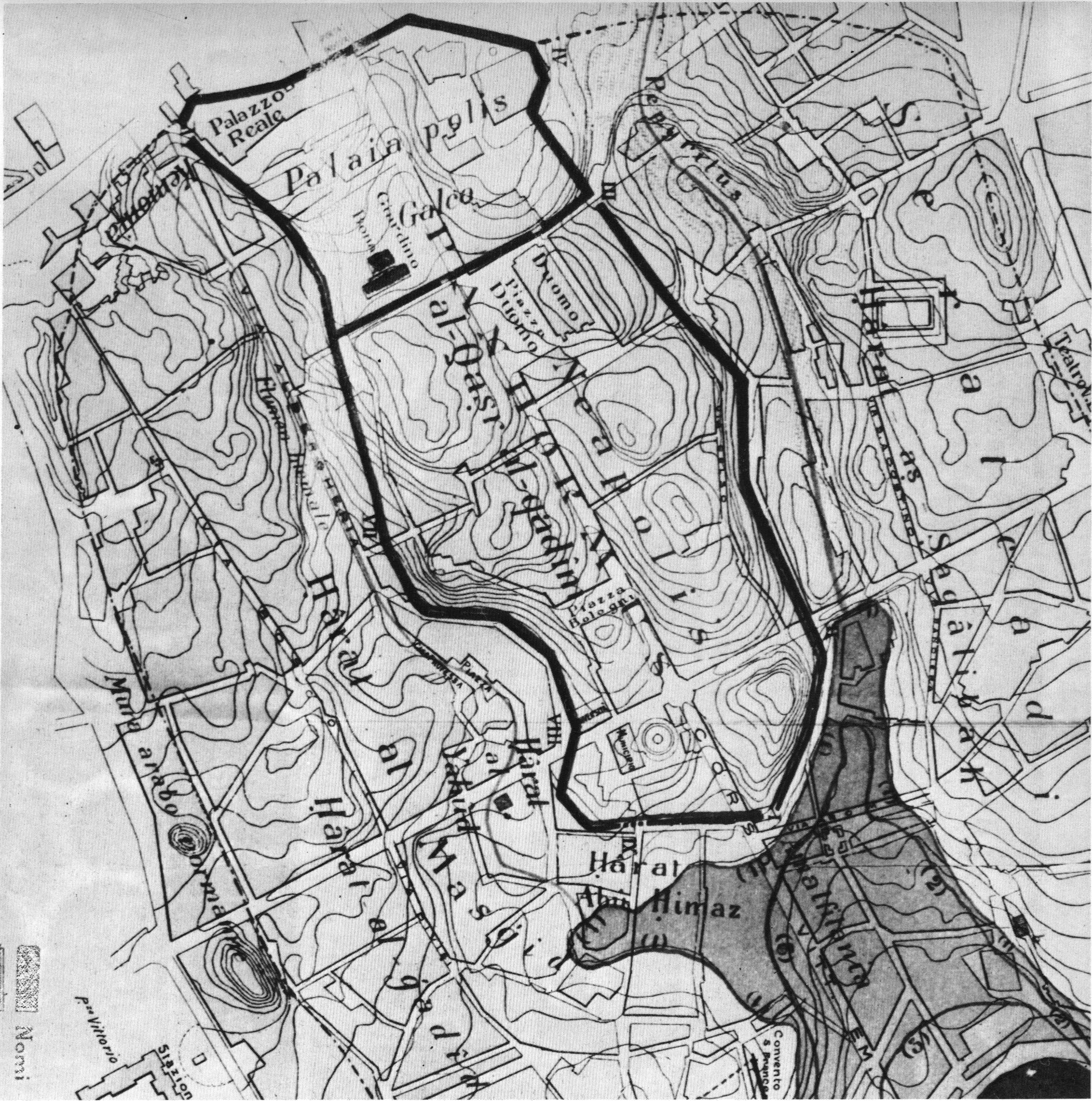

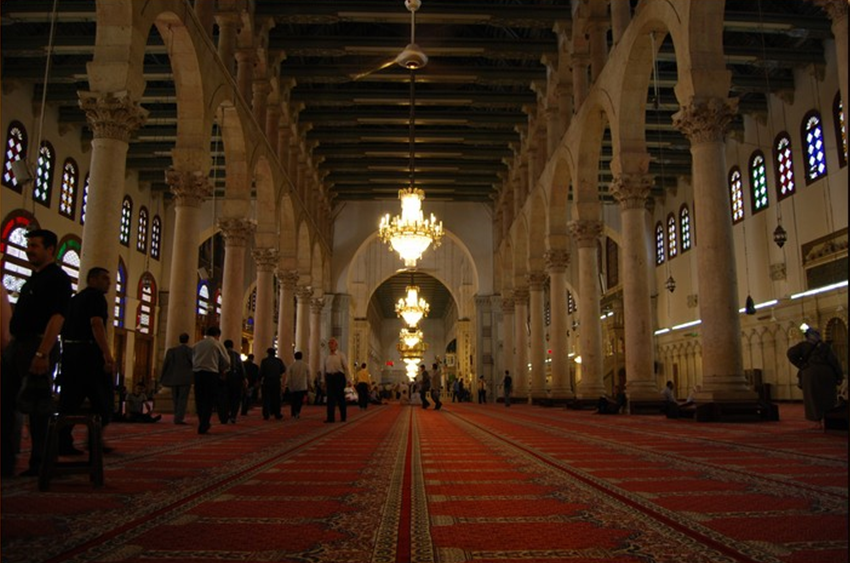
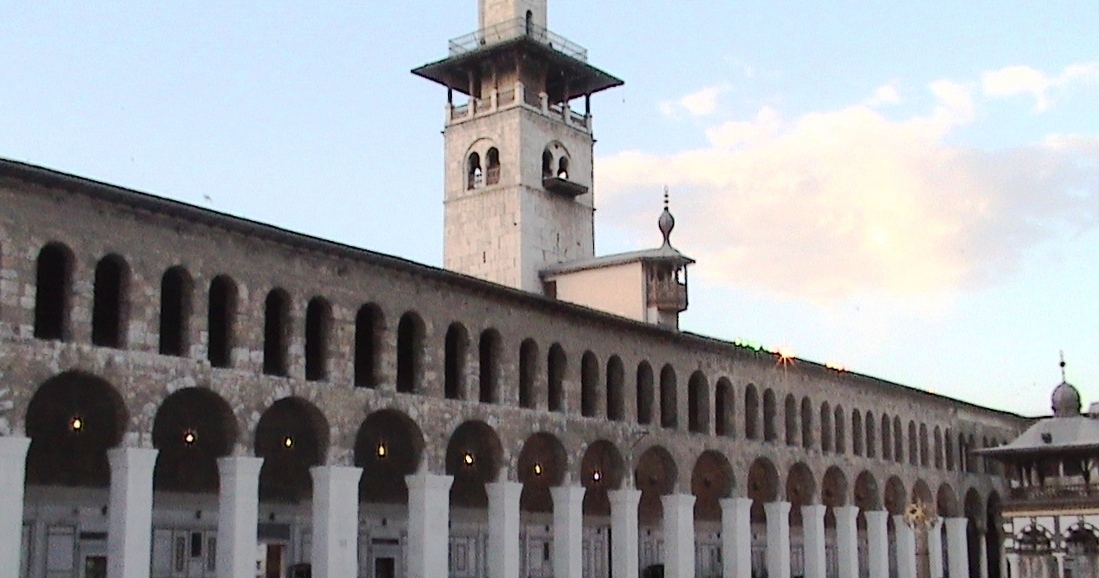
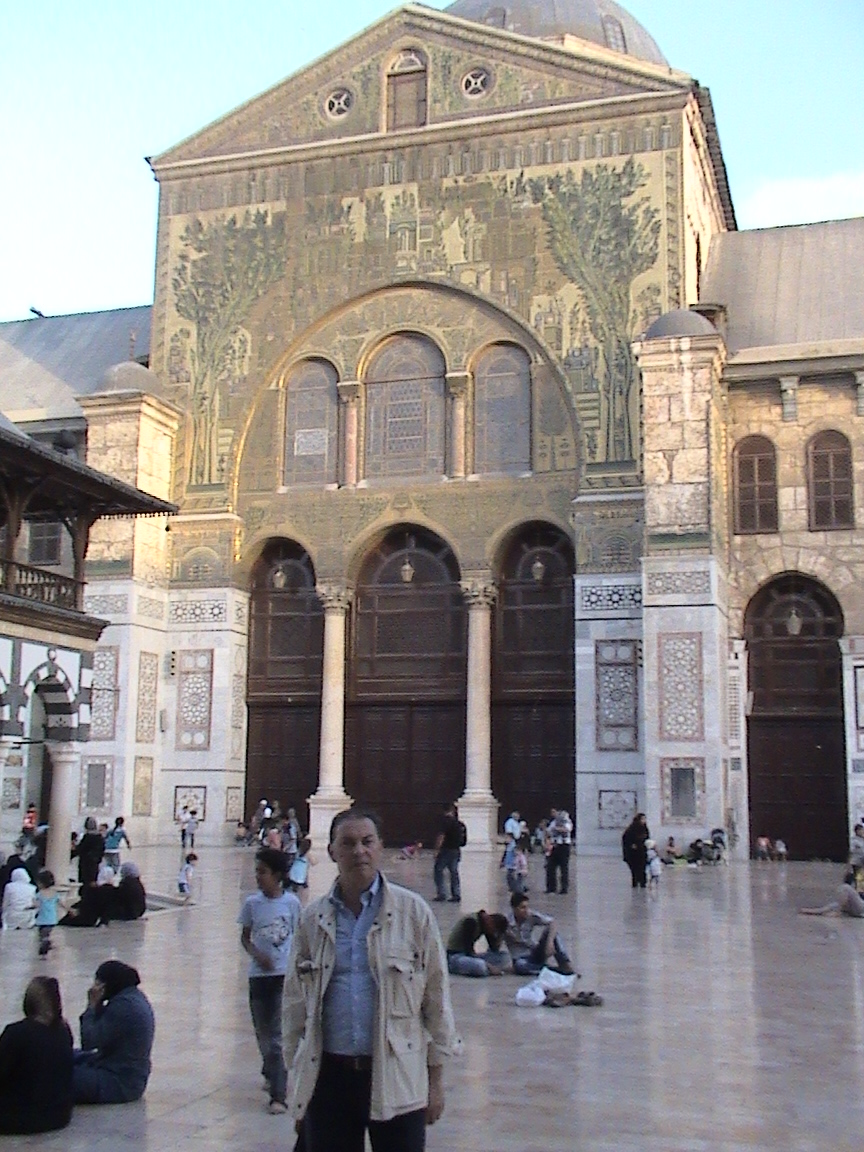
In his travel book, the Arab traveler Ibn Hawqal , who visited Sicily in 973, depicts the city as rich in lush gardens, large markets, and a centre of trade and commerce with the entire Mediterranean. He describes the multitude of mosques present in the city and, in particular, the great Gami Mosque (or ‘Friday Mosque’), which was probably built with reference to the great Umayyad Mosque in Damascus , taken as a model for all mosques in the Islamic world.


A cloister of accentuated stylistic variety

The side Portico: a combination of elegance and lightness of form

Roger II’s strategic design

The chapel of St. Benedict

Survey of the royal tombs

The Virgin Hodegetria

The rediscovered chapel

The plasticism of the main portico and Bonanno Pisano’s Monumental Bronze Door

Palermo: the happiest city

A polysemy of high-level artistic forms and content

Under the crosses of the Bema

The architectural modifications ti the cathedral building after the death of Roger II and the transformations of the cloister

The towers and the western facade

The construction of Monreale Cathedral: between myth and history

The marble portal: an intimate dialogue between complex ornamental aspects and formal structure

The dialogue between the architectures of the monumental complex

The balance between architecture and light

Two initially similar towers, varied over time

Norman religious architecture with islamic influences in Sicily

The paradisiacal “Conca d’oro” that embraces Palermo: a name with countless faces through time

The southern portico

The chystro: a place between earth and sky

A mixture of styles pervades the floor decorations

The original design

The transformations of the hall through the centuries

The longest aisle

Tempus fugit: a strategic project implemented in a short period of time

Cefalù: settlement evidence through time

The liturgical spaces of the protesis and the diaconicon

The area of the Sanctuary

A space between the visible and the invisible

Characteristics of religious architecture in the romanesque period

The chorus: beating heart of the cathedral

A chapel by an unknown designer based on repeated symmetries

The chapel of san Castrense: an important renaissance work

The Cefalù cathedral: a construction yard undergoing a change between a surge of faith and control over the territory

Layers of different cultures decorate the external apses

The links between the hauteville family and the monastic orders in Sicily

A remarkable ceiling

Gardens and architecture as a backdrop to the city of Palermo

The cultural substrate through time

Artistic elements in Peter’s ship

The Chapel of the Kings

The decorated facade

The Bible carved in stone

A controversial interpretation

The king’s mark

A palimpsest of history

The Kings’ Cathedrals

Mosaic decoration

The Great Restoration

The lost chapel

The columns of the nave: the meticulous study of the overall order

A tree full of life

Interior decorations

Squaring the circle

From the Mosque to the Cathedral

A Northern population

Thirteenth-century iconography decorates the nave’s wooden ceiling, designed with new solutions

A new Cathedral

The senses tell Context 1

The Chapel of St. Mary Magdalene

Porphyry sarcophagi: royalty and power

Transformations over the centuries

The stone bible

Roger II of hauteville: a sovereign protected by God

The Great Presbytery: a unique space for the cathedral

The mosaics of the presbytery

Ecclesia munita

The towers facing the facade used as bell towers

The side aisles

Biblical themes enlivened by the dazzling light of the stained – glass windows overlooking the naves

Beyond the harmony of proportions

The Cathedral over the centuries

The medieval city amidst monasticism and feudal aristocracy

A compositional design that combines nordic examples with new artistic languages, over the centuries

From the main gate to the aisles: an invitation to a journey of faith

The mosaics of the apses

The cemetery of kings

The Gualtiero Cathedral

The chapel of the crucifix: an artistic casket based on a previous model

The beginning of the construction site

Worship services