Panarea

The underwater fumarolic activity of Lisca Bianca

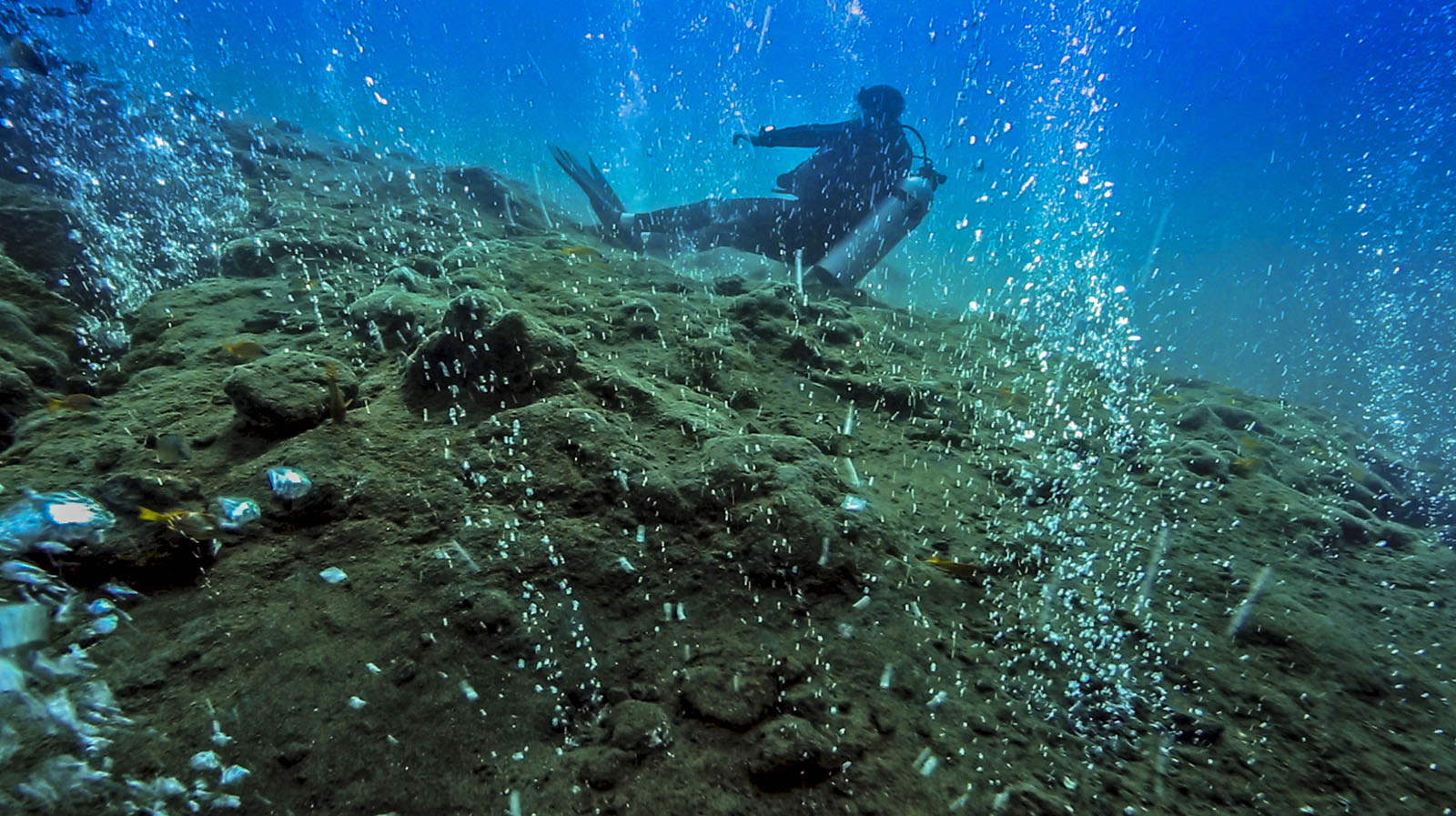
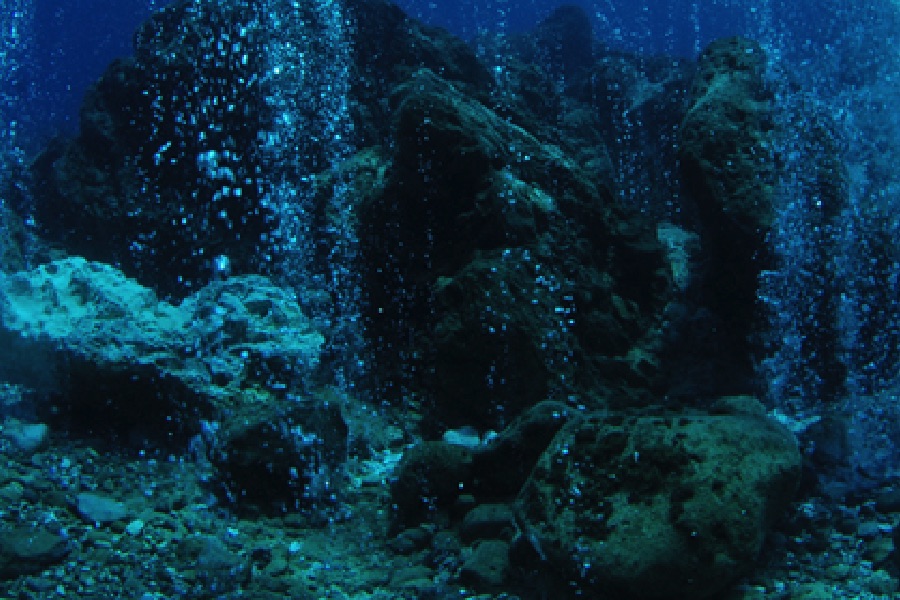
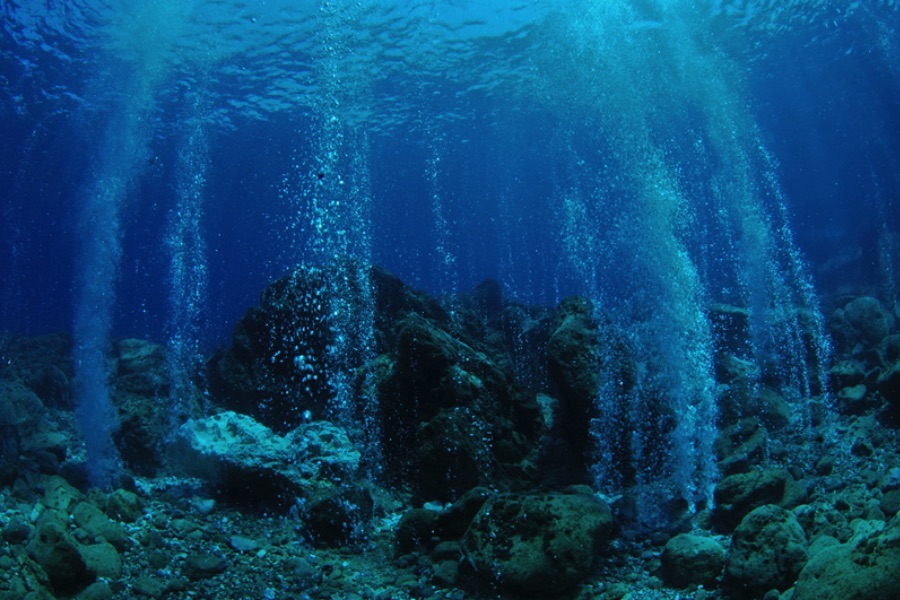
In the autumn of 2002, after an intense earthquake off the coast of Filicudi and shortly before the beginning of a new effusive activity in Stromboli, a large system of fumaroles activated between the isles of Bottaro and Lisca Bianca, at a depth of around 7-10 metres..
attività fumarolica
Underwater photo of the depths of the islets of Panarea. The dark colored and rounded rocks are covered by real vertical columns of bubbles that come out from the bottom of the ground.

In the fumarole field, gases leave at a temperature of around 40 °C, and unlike the fumaroles of the island of Vulcano , they have no real magmatic origin. Scientific studies are currently under way in order to verify the origin of this hydrothermal activity, which was already present in the north-eastern part of the island of Panarea, on the beach of Calcara.

Stromboli, the volcano that breathes

The summit craters

Lipari Castle, “fused” with the lava

“Strombolian” activity in the place where its definition was born

Panarea, where sea and volcanoes become sculptors

Salina, the green island with twin mountains

Lipari at the centre of Mediterranean history

The pure white of the pumice quarries

Tsunamis: a not uncommon phenomenon in Stromboli

The senses tell The Pumice Quarries of Lipari

The senses tell The Sciara del Fuoco

The senses tell The Stacks of Panarea

The underwater morphological elements of the Aeolian Islands

Seven islands, dozens of volcanoes

The underwater fumarolic activity of Lisca Bianca

The Aeolian Islands, where volcanology was born

The Sciara del Fuoco

“Vulcanian” eruptions

Filicudi, a submerged paradise

The polis of the living and the necropolis of the dead

Malvasia delle Lipari DOC

Where do Vulcano’s gases come from?

At the heart of trade in history

The salt lake of Lingua

The senses tell The Village of Capo Graziano

Between brush strokes of sulphur and clouds of steam: the fumaroles of the port of Vulcano

Panarea and its history

The hidden part of the Aeolian Islands

The 2002-03 eruption

Lipari, where history intertwines with volcanoes to create archaeology

How pumice is formed

The Village of Capo Graziano

The Cathedral of Lipari and the Norman Cloister of the Benedictine Monastery

The prehistoric village of Cala Junco

The ancient production of salt

The Gran Cratere of the Fossa: when the volcano becomes a sculptor

Filicudi: small island, big history

Volcanoes as a natural art form

The senses tell The summit craters

Stories of the sea and shipwrecks. The wrecks of the Aeolian Islands

Pollara, between poetry and beauty

The Thermal Baths of Saint Calogerus

Myths and legends about volcanoes

The malleability of Vulcano’s mud

Alicudi, where time has stood still

Vulcano, the youngest of the Aeolian works of art

The stacks of Panarea

The senses tell The salt lake of Lingua