The thermal springs of the island of Lipari are remembered by writers from Greek and Roman times (Aristotle, Diodorus, Strabo, Athenaeum and Pliny) and were so famous that one of the minor thermal baths of Rome bore the name of Aeolia.
Stories of the sea and shipwrecks. The wrecks of the Aeolian Islands
The Village of Capo Graziano
Malvasia delle Lipari DOC
The Thermal Baths of Saint Calogerus
The malleability of Vulcano’s mud
Volcanoes as a natural art form
The senses tell The Stacks of Panarea
The stacks of Panarea
“Vulcanian” eruptions
The salt lake of Lingua
The polis of the living and the necropolis of the dead
The Aeolian Islands, where volcanology was born
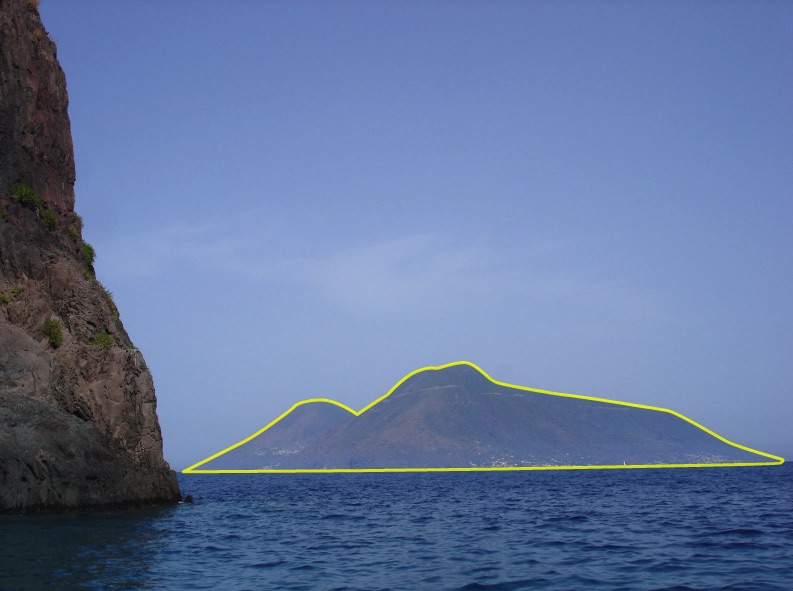
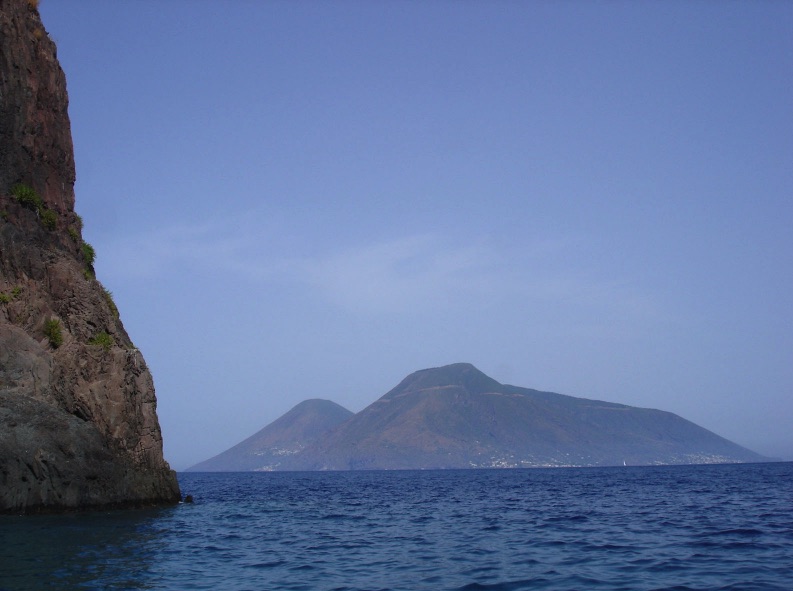
Salina, the green island with twin mountains
Lipari Castle, “fused” with the lava
The underwater morphological elements of the Aeolian Islands
The senses tell The salt lake of Lingua
The underwater fumarolic activity of Lisca Bianca
Between brush strokes of sulphur and clouds of steam: the fumaroles of the port of Vulcano
The Sciara del Fuoco
Stromboli, the volcano that breathes
Panarea, where sea and volcanoes become sculptors
Where do Vulcano’s gases come from?
Vulcano, the youngest of the Aeolian works of art
How pumice is formed
The senses tell The summit craters
The Gran Cratere of the Fossa: when the volcano becomes a sculptor
Myths and legends about volcanoes
The senses tell The Pumice Quarries of Lipari
The 2002-03 eruption
The prehistoric village of Cala Junco
Filicudi, a submerged paradise
Lipari at the centre of Mediterranean history
Lipari, where history intertwines with volcanoes to create archaeology
Alicudi, where time has stood still
At the heart of trade in history
Filicudi: small island, big history
The senses tell The Village of Capo Graziano
Tsunamis: a not uncommon phenomenon in Stromboli
The ancient production of salt
Pollara, between poetry and beauty
The Cathedral of Lipari and the Norman Cloister of the Benedictine Monastery
The pure white of the pumice quarries
“Strombolian” activity in the place where its definition was born
MiC – Ministero della Cultura
Legge 77/2006 - Misure Speciali di Tutela e Fruizione dei Siti Italiani di Interesse Culturale, Paesaggistico e Ambientale, inseriti nella “Lista Del Patrimonio Mondiale”, posti sotto la Tutela dell’ UNESCO Regione Siciliana.
Assessorato dei Beni Culturali e dell’Identità Siciliana, Dipartimento dei Beni Culturali e dell’Identità Siciliana.
Parco archeologico della Valle dei Templi di Agrigento.