Vulcano

“Vulcanian” eruptions

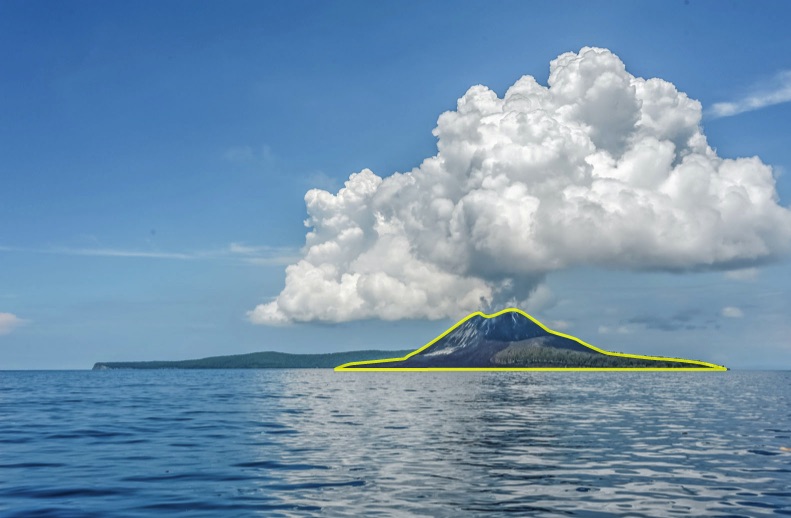
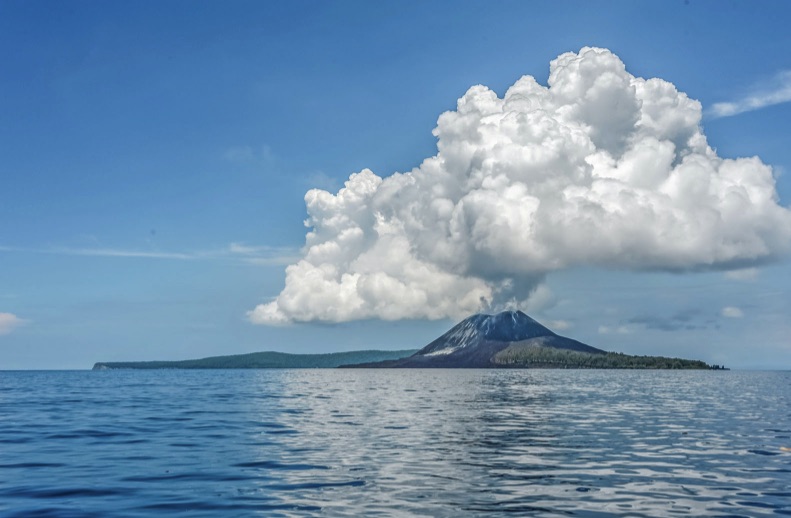
A vulcanian eruption is an explosive type of eruption, emitting lava fragments into the atmosphere which do not take on a round shape during flight, as they are too viscous or already partially solidified.


The typical shape is therefore that of a rugby ball. These eruptions have moderate energy, when compared, for example, to Plinian eruptions, and they erupt a large amount of ash, bread-crust bombs and blocks.
Quite viscous magma is usually involved, which makes it difficult for gases to escape except under high pressure, causing the explosion. The name derives from the island of Vulcano, and is universally recognised and used in volcanology.
Volcanoes as a natural art form

“Strombolian” activity in the place where its definition was born

How pumice is formed

The Gran Cratere of the Fossa: when the volcano becomes a sculptor

The senses tell The Pumice Quarries of Lipari

Alicudi, where time has stood still

Where do Vulcano’s gases come from?

Between brush strokes of sulphur and clouds of steam: the fumaroles of the port of Vulcano

The Cathedral of Lipari and the Norman Cloister of the Benedictine Monastery

Panarea and its history

Myths and legends about volcanoes

Filicudi: small island, big history

The salt lake of Lingua

Stories of the sea and shipwrecks. The wrecks of the Aeolian Islands

The 2002-03 eruption

Filicudi, a submerged paradise

The malleability of Vulcano’s mud

The stacks of Panarea

The underwater morphological elements of the Aeolian Islands

At the heart of trade in history

“Vulcanian” eruptions

Stromboli, the volcano that breathes

Tsunamis: a not uncommon phenomenon in Stromboli

Lipari Castle, “fused” with the lava

The Aeolian Islands, where volcanology was born

Malvasia delle Lipari DOC

The hidden part of the Aeolian Islands

Lipari, where history intertwines with volcanoes to create archaeology

The Village of Capo Graziano

The senses tell The Village of Capo Graziano

Lipari at the centre of Mediterranean history

The senses tell The Sciara del Fuoco

Vulcano, the youngest of the Aeolian works of art

The underwater fumarolic activity of Lisca Bianca

The senses tell The salt lake of Lingua

The polis of the living and the necropolis of the dead

The Sciara del Fuoco

The senses tell The Stacks of Panarea

The ancient production of salt

Salina, the green island with twin mountains

The Thermal Baths of Saint Calogerus

Pollara, between poetry and beauty

The pure white of the pumice quarries

The summit craters

Seven islands, dozens of volcanoes

Panarea, where sea and volcanoes become sculptors

The senses tell The summit craters

The prehistoric village of Cala Junco