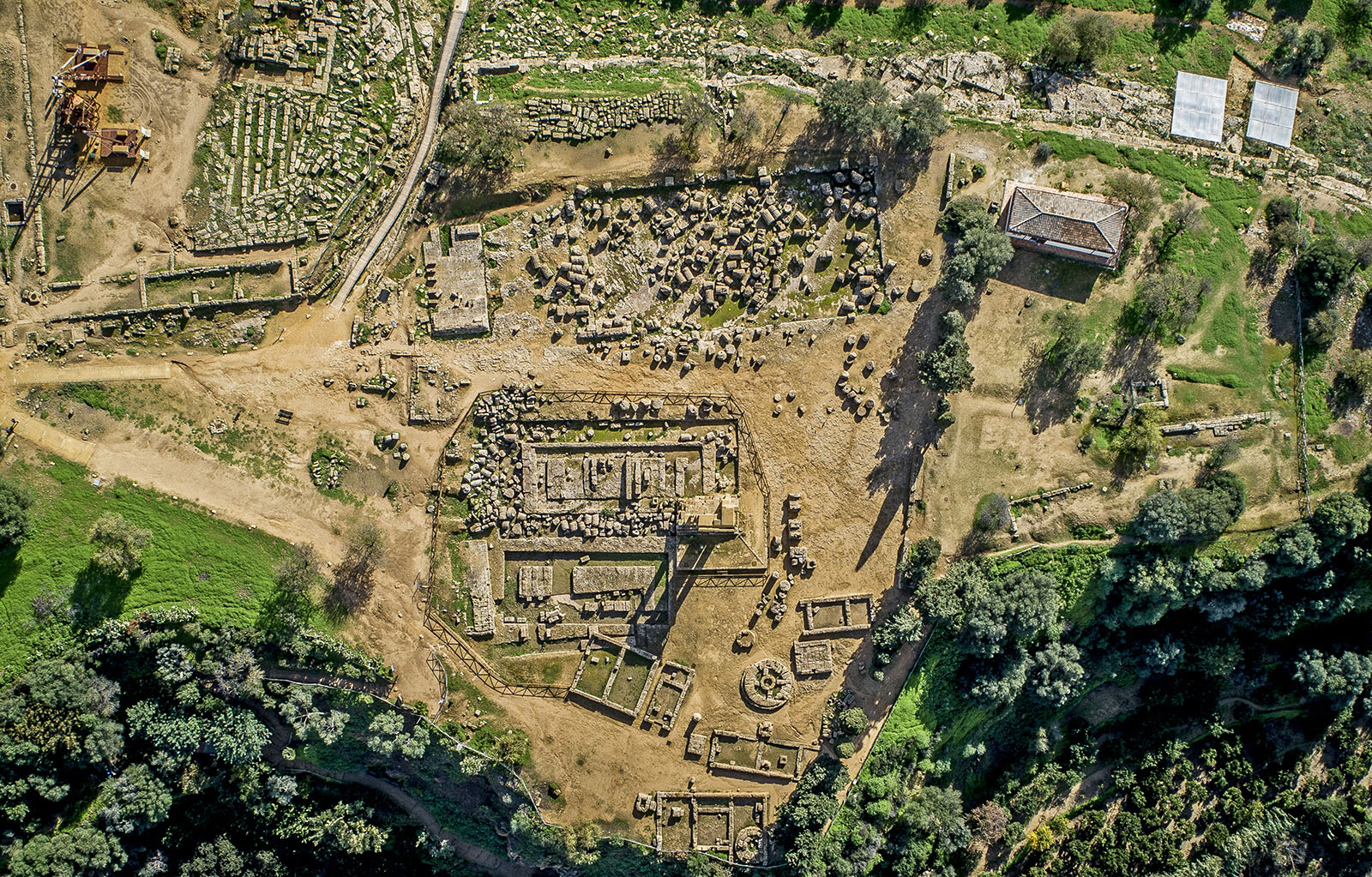
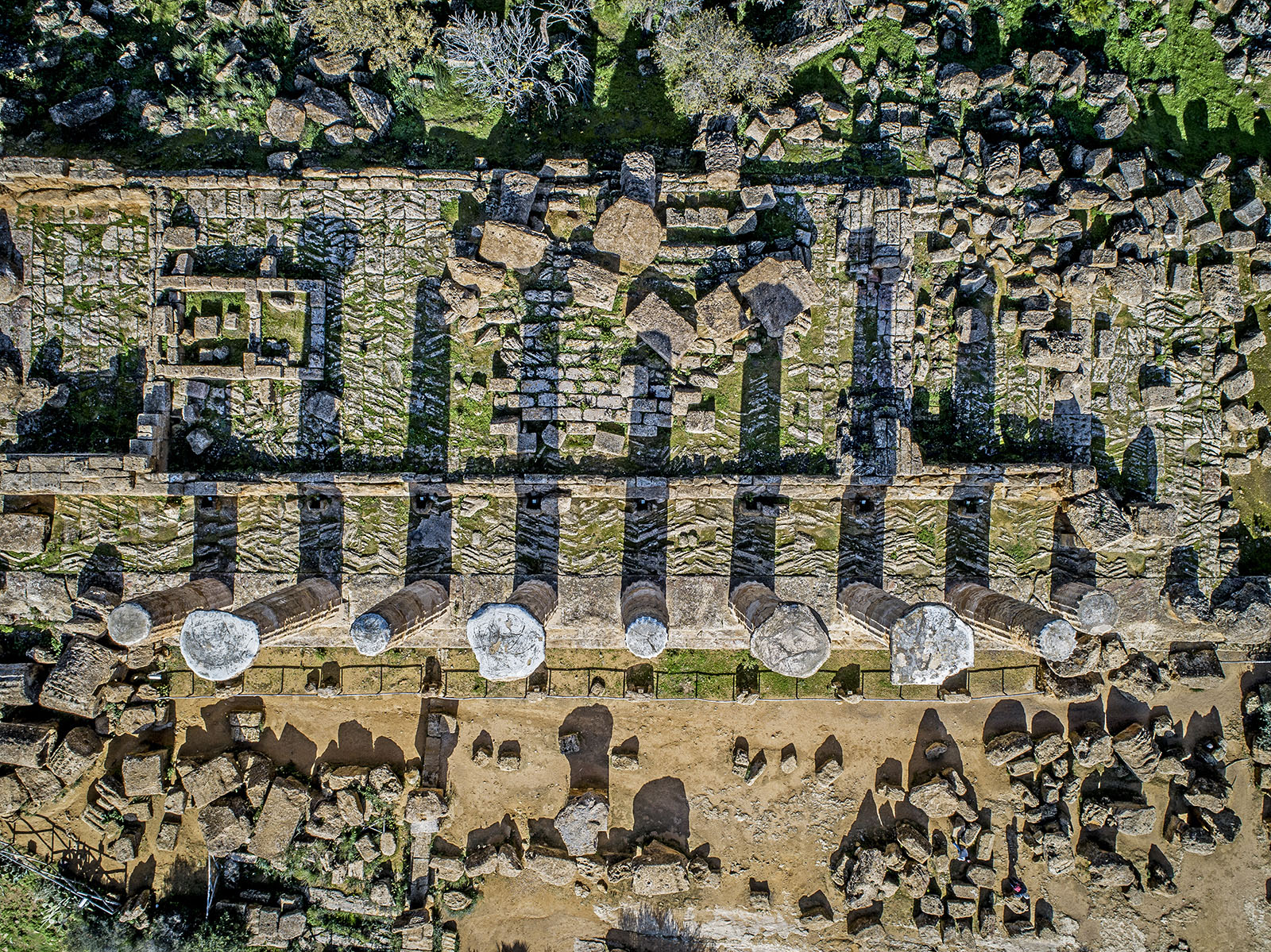
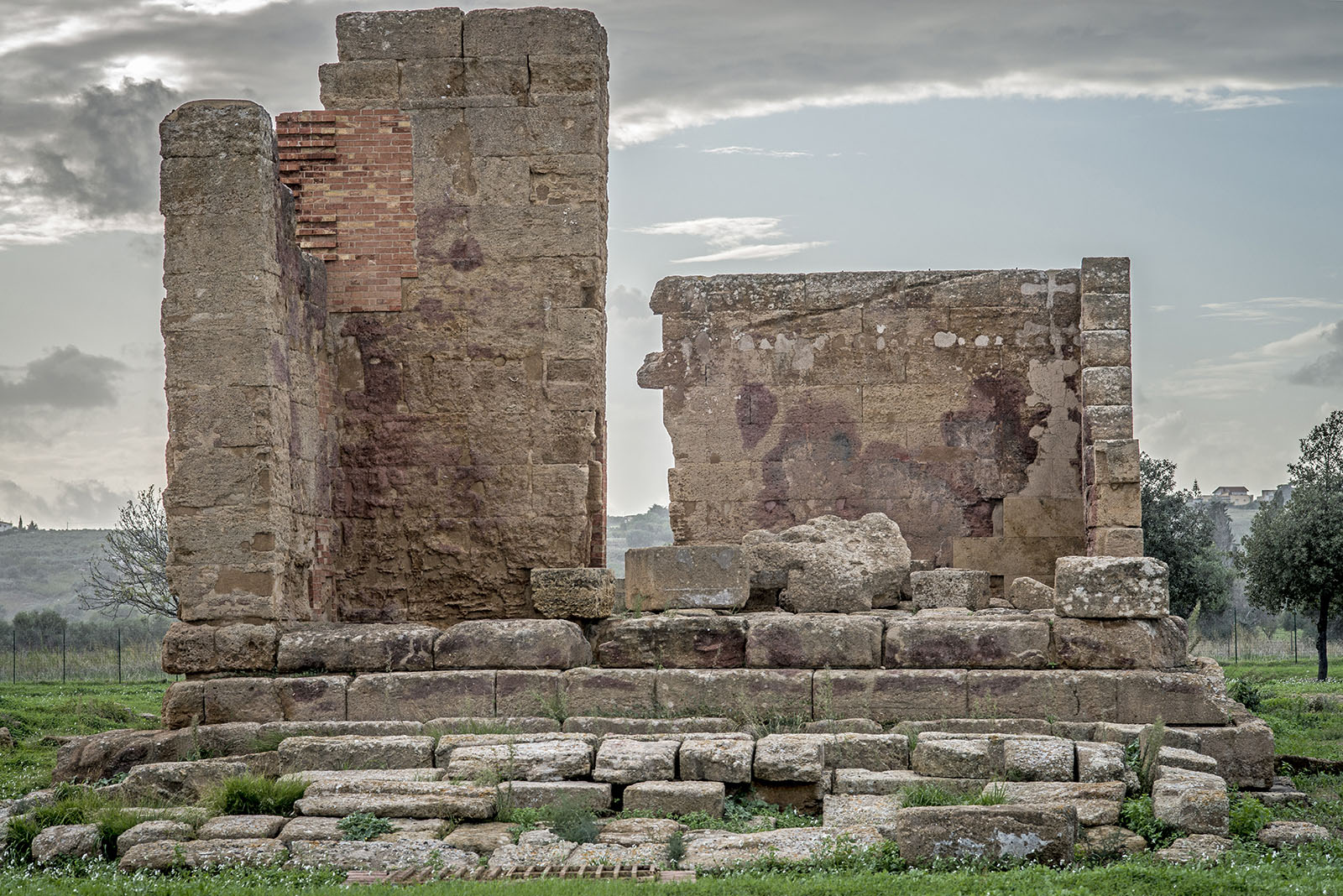
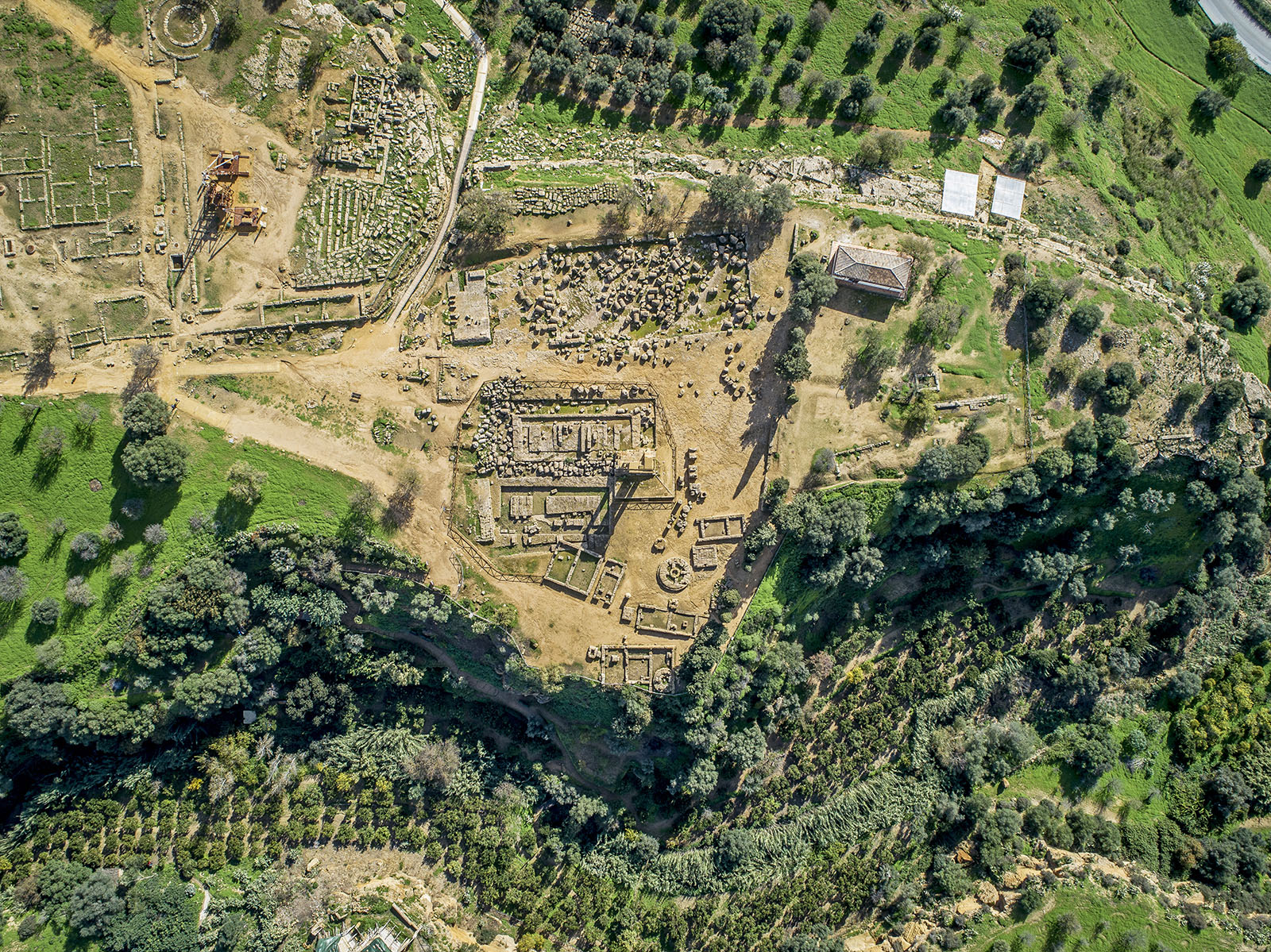
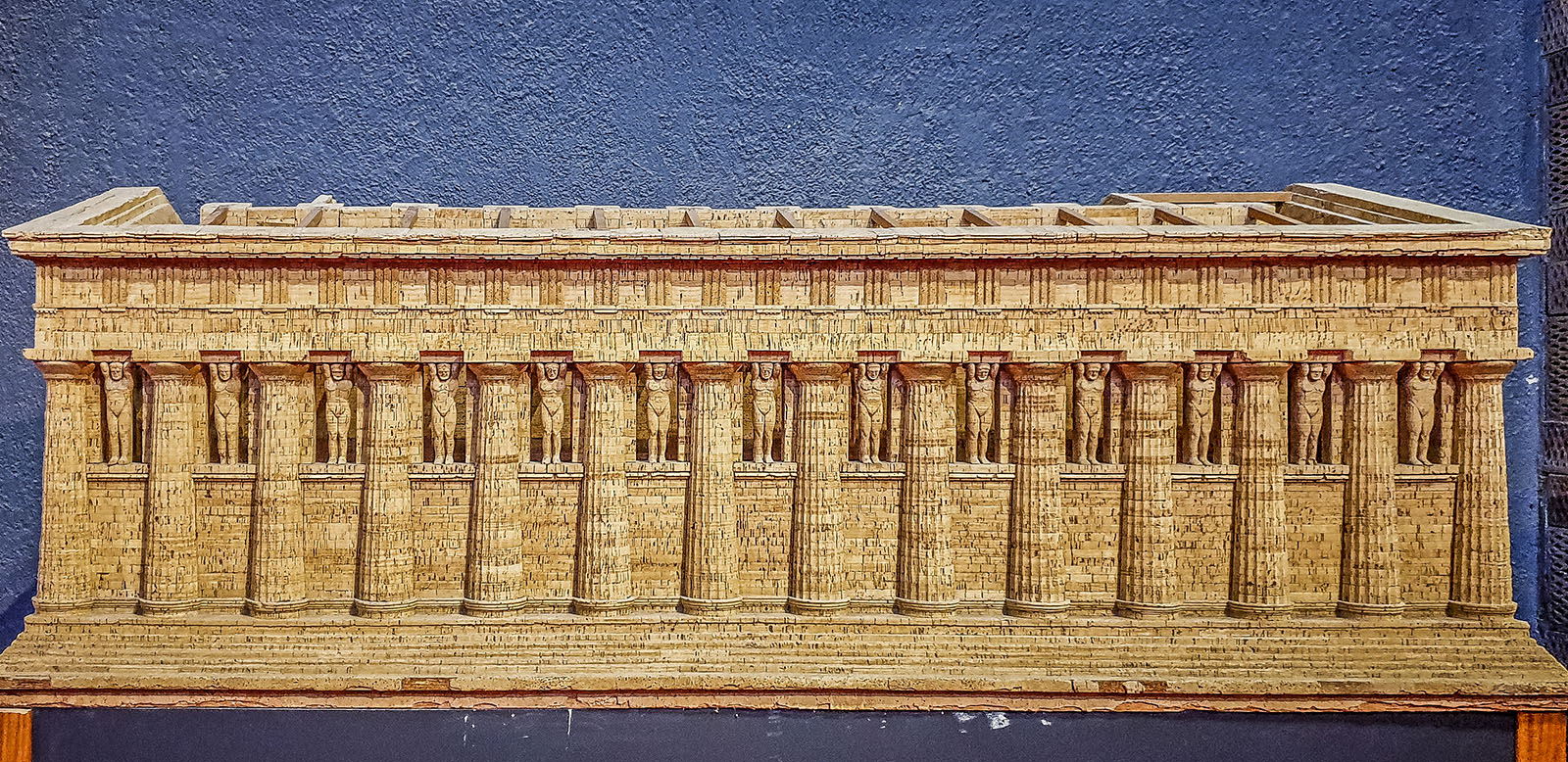
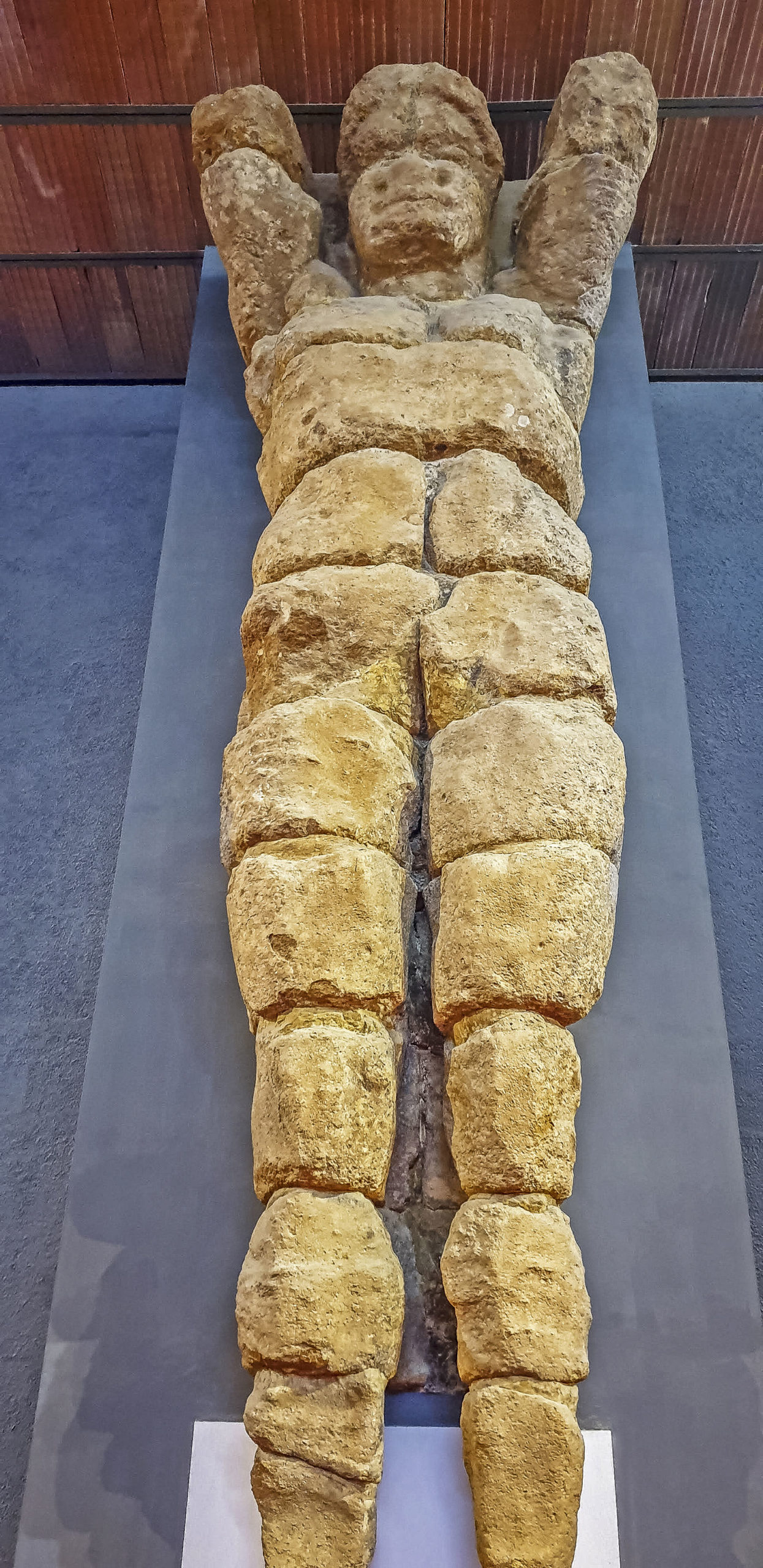
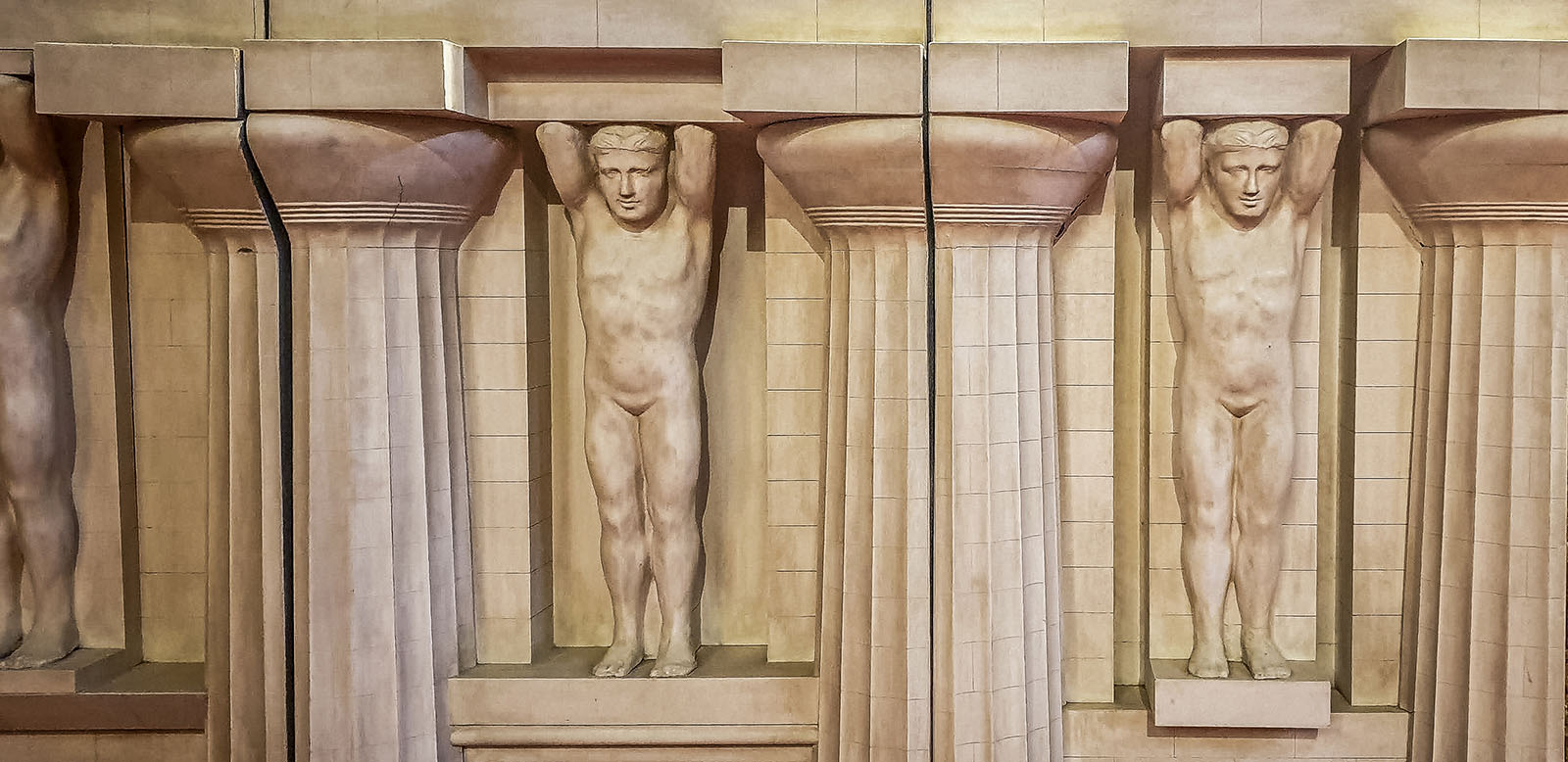
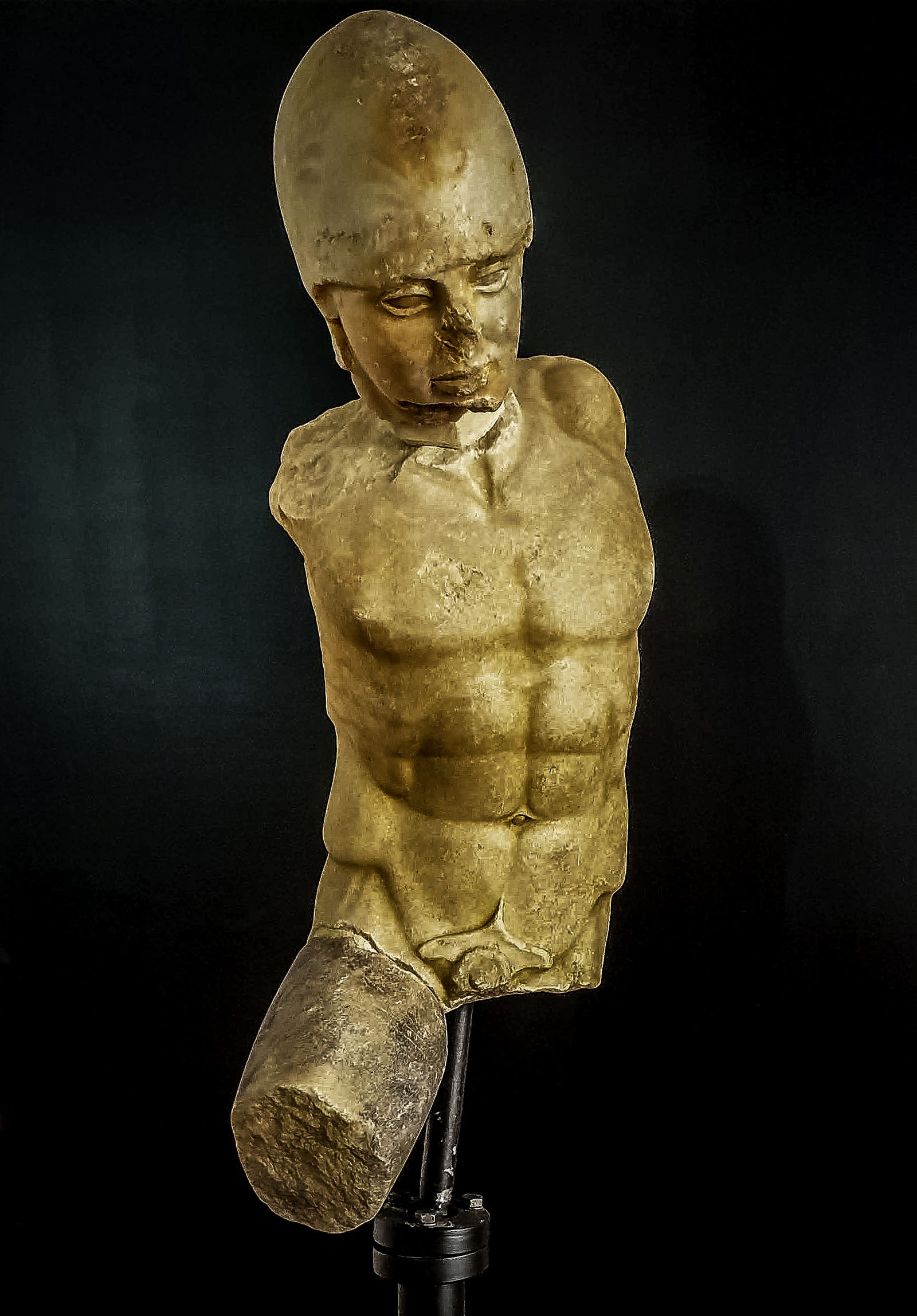
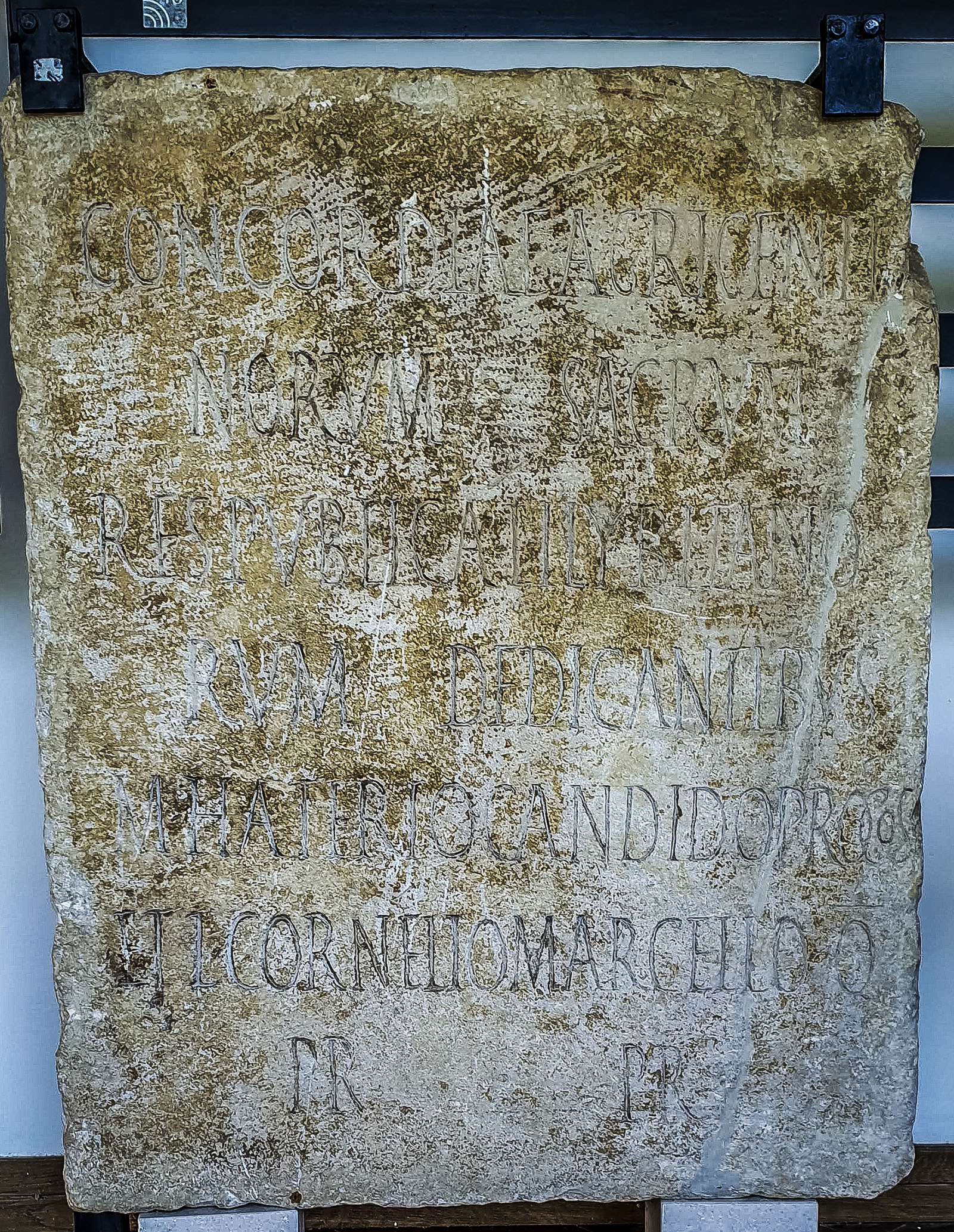
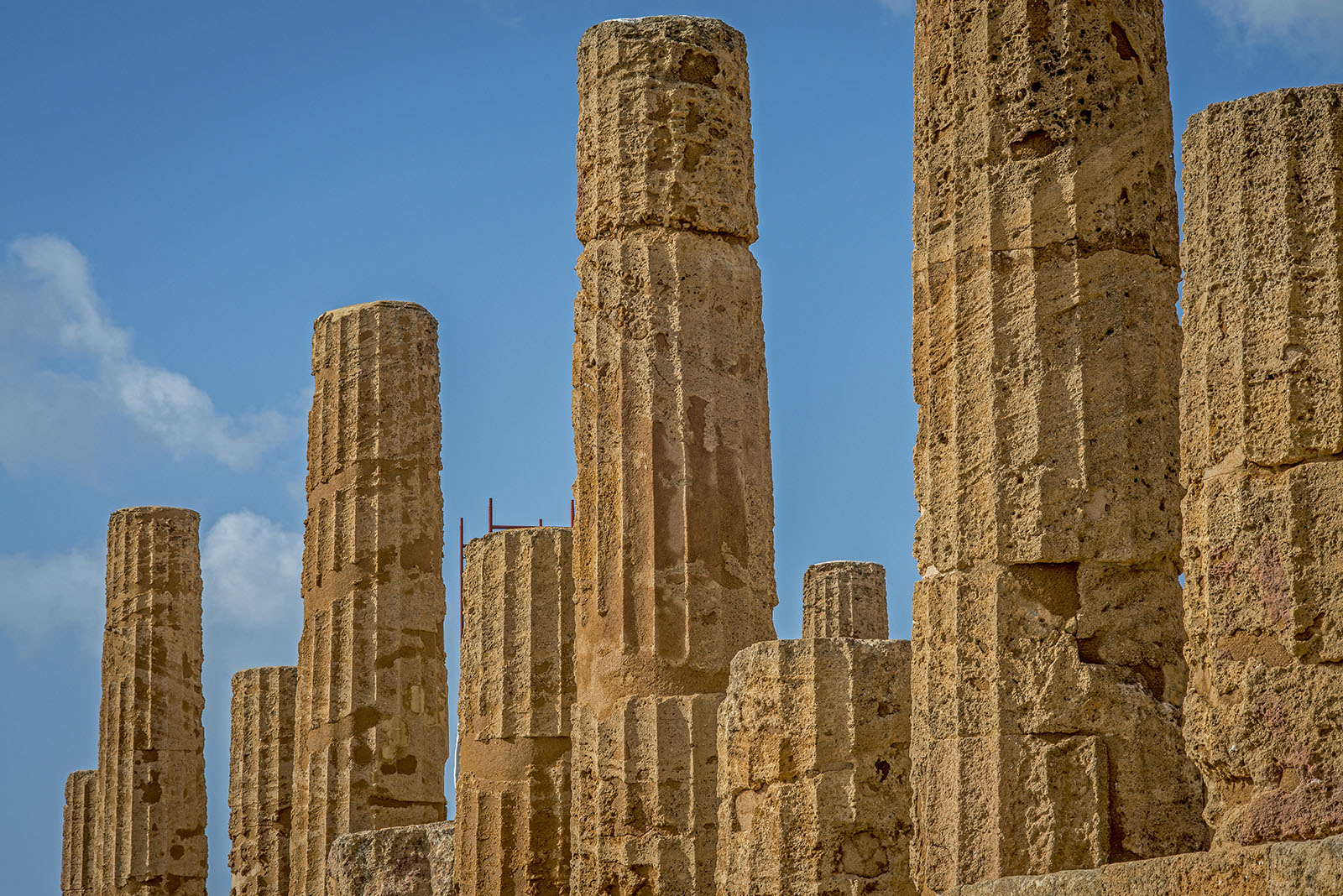
A monument for the victory over Carthage: the Temple of Olympian Zeus
The gods of Agrigento
The walls of Akragas in the fifth century BC
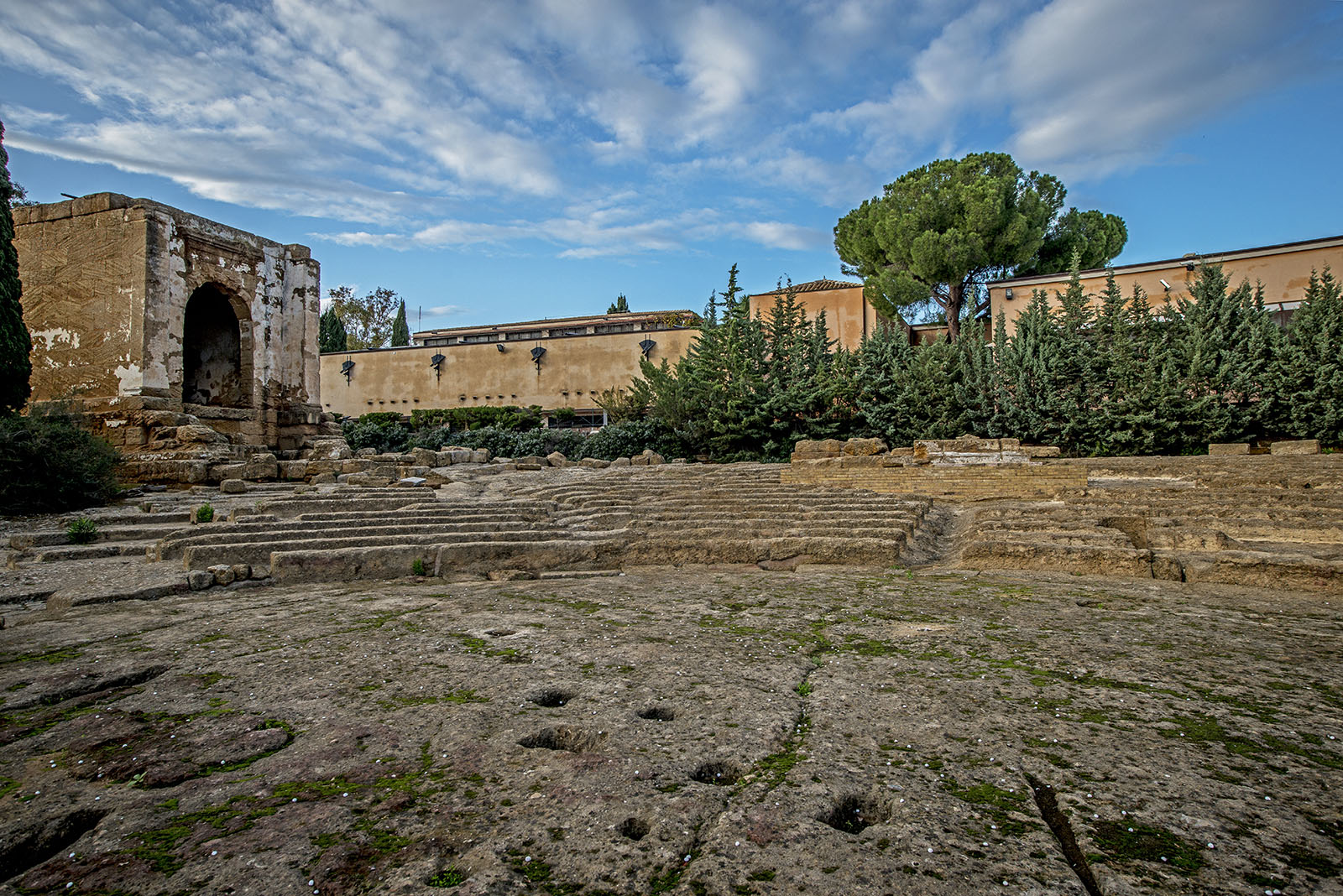
The theatre of origins
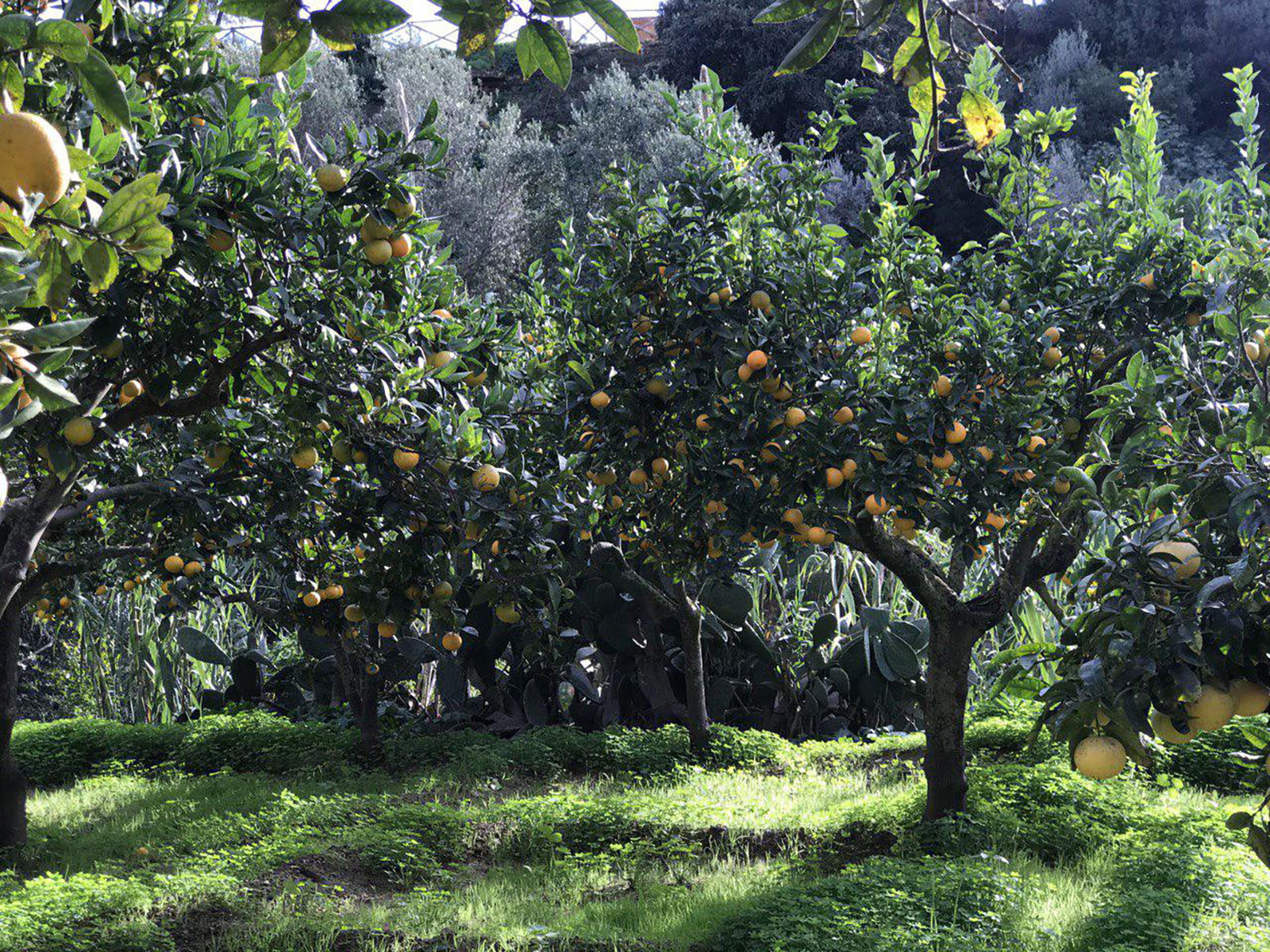
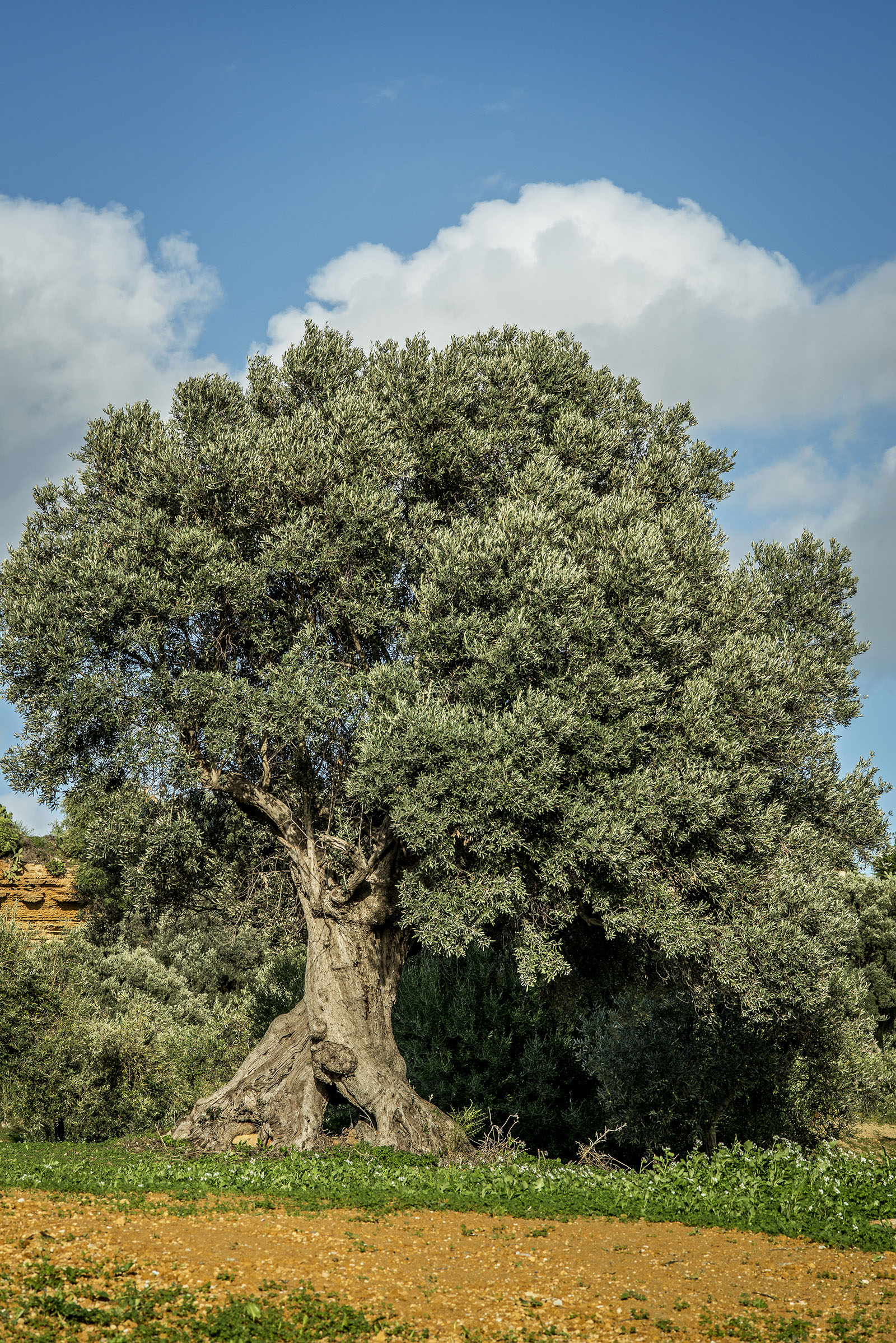
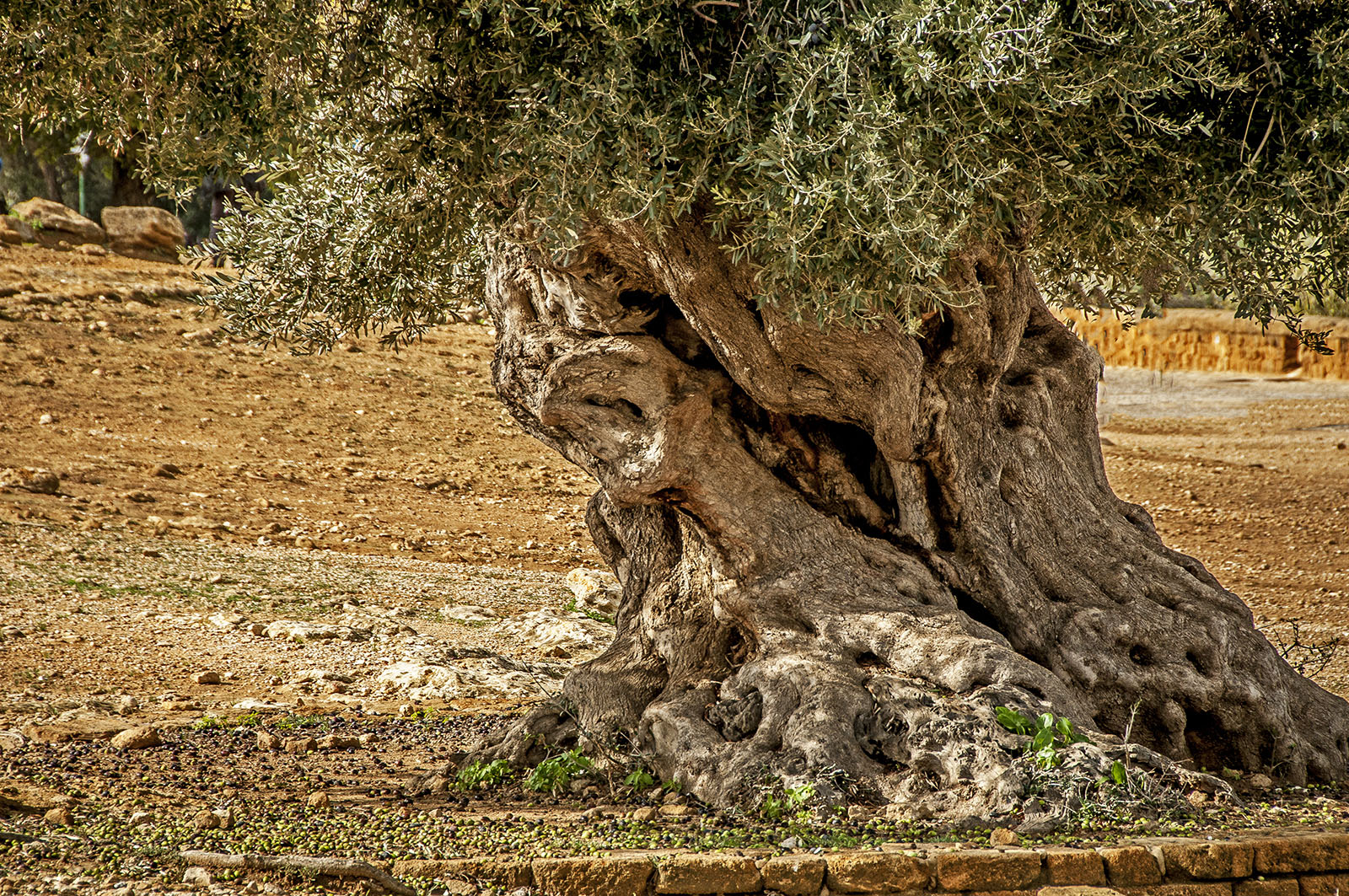
Vegetation in the Gardens
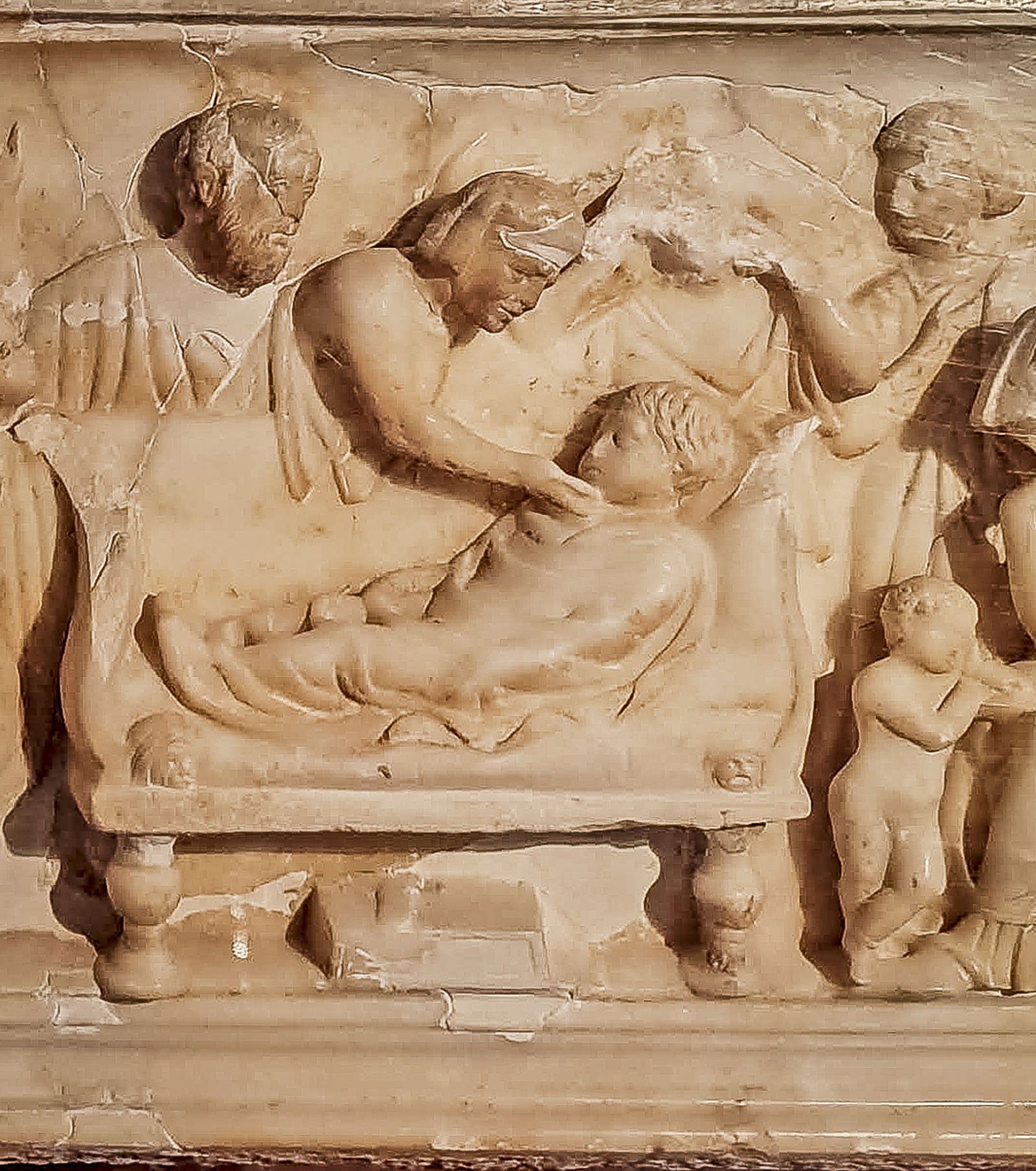
The sarcophagus of the Child
An exceptional discovery: the thermal baths of Agrigentum
Mens sana in corpore sano: the gymnasium of Agrigento
The Roman necropolis
The Oratory of Phalaris
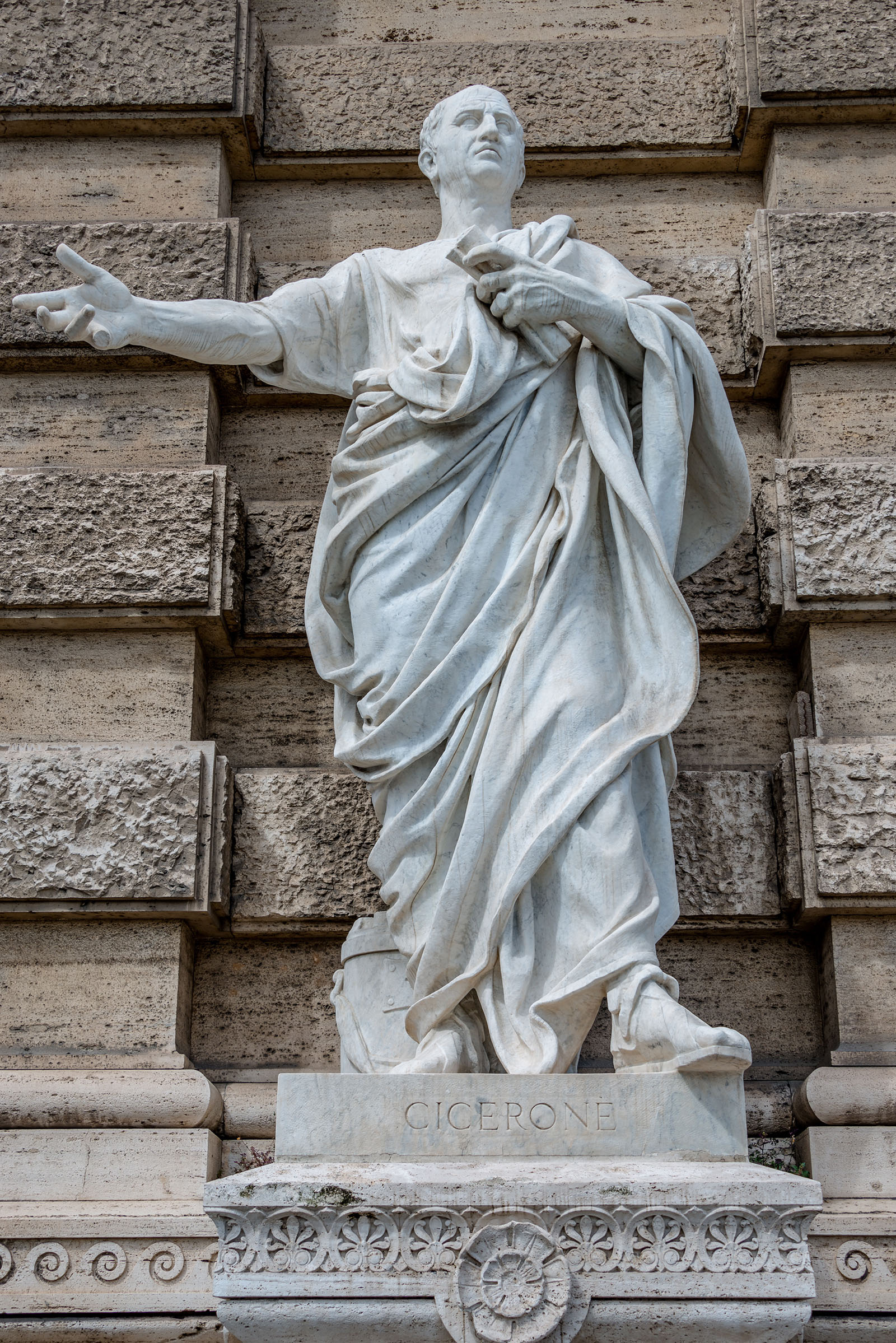
Cicero’s account: Agrigentum in In Verrem
Empedocles, the political philosopher
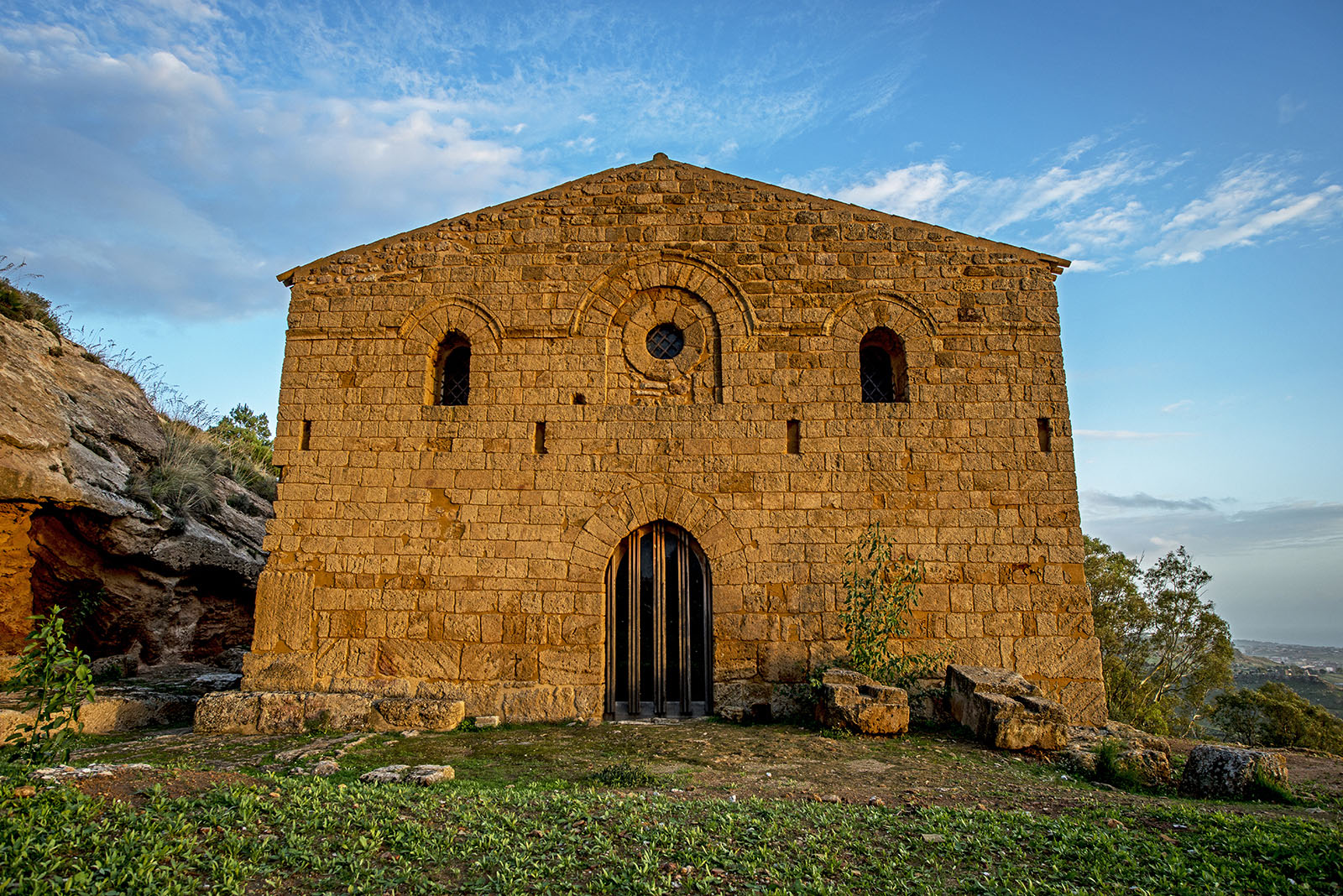
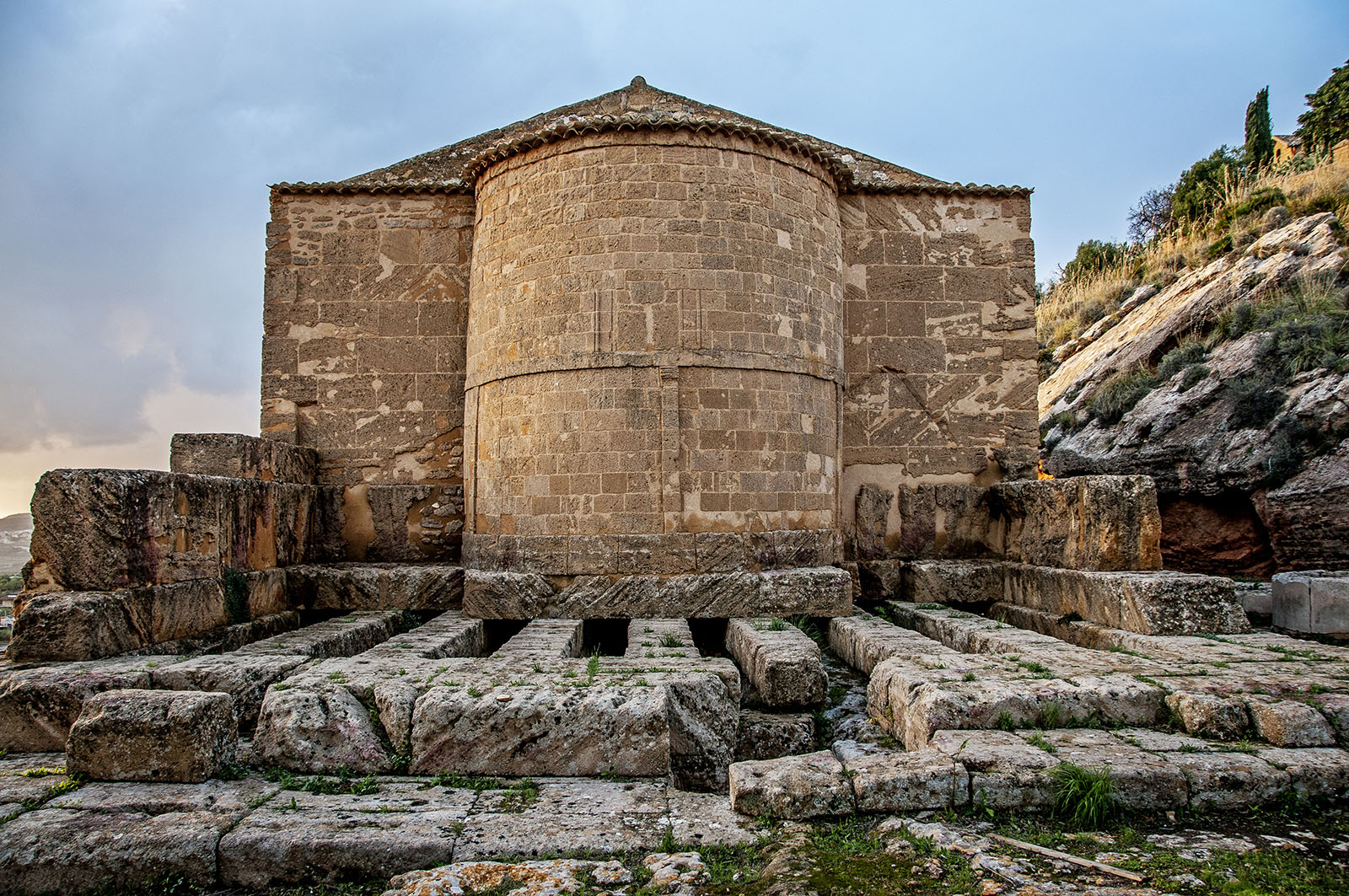
From pagan cults to Christian worship: the Church of St. Gregory
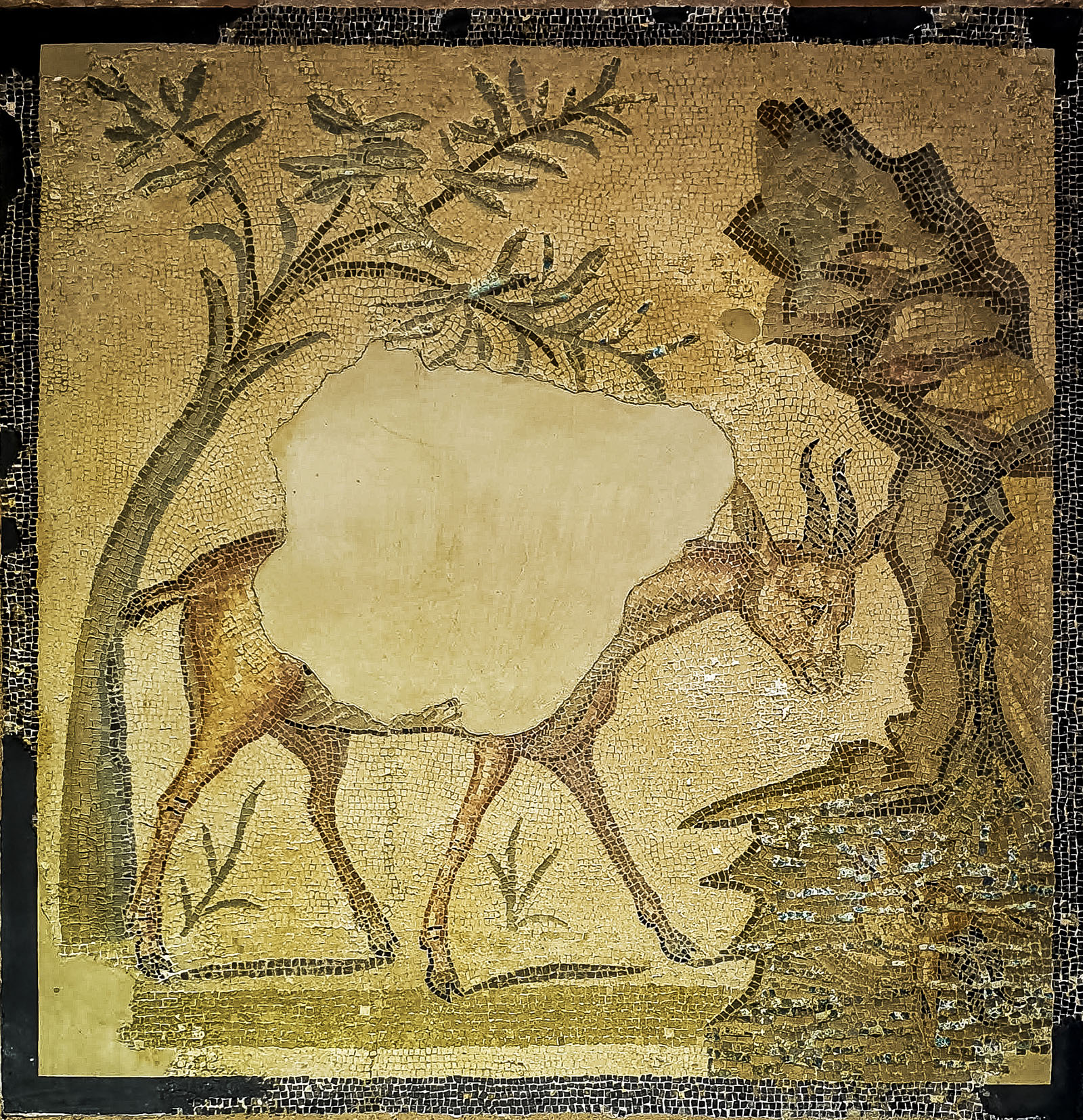
Works for the muses: the mosaics of the Hellenistic-Roman quarter
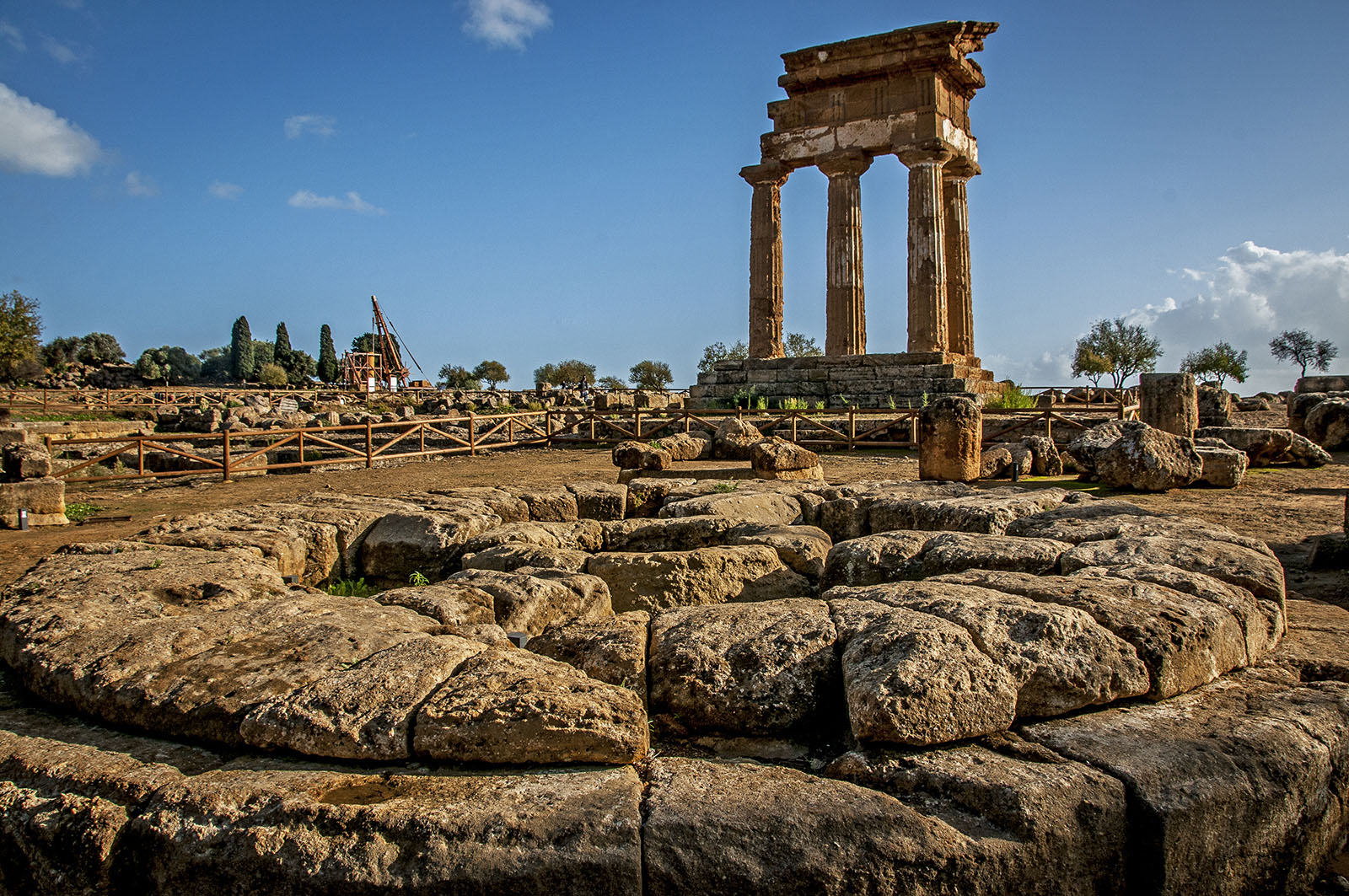
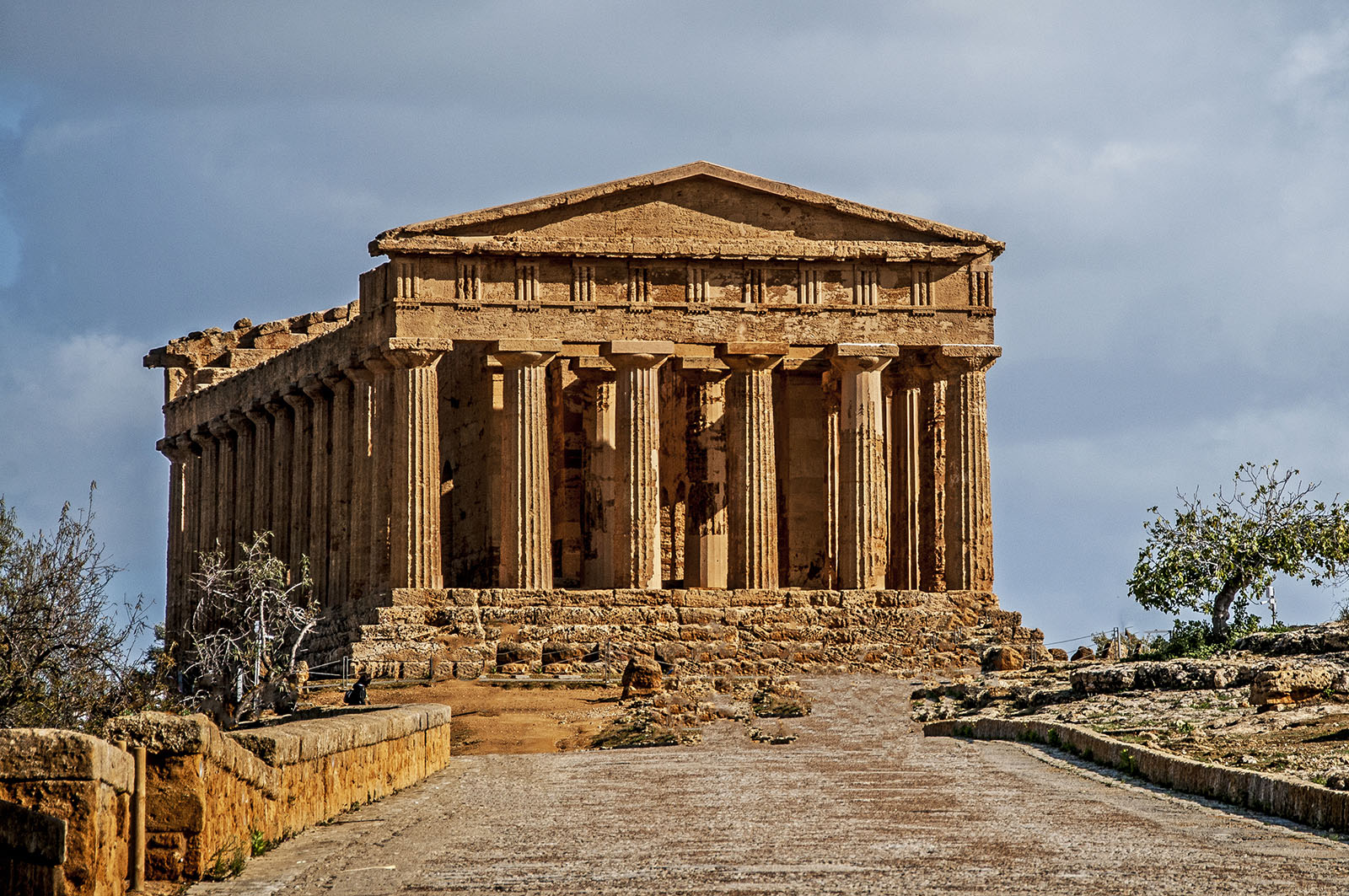
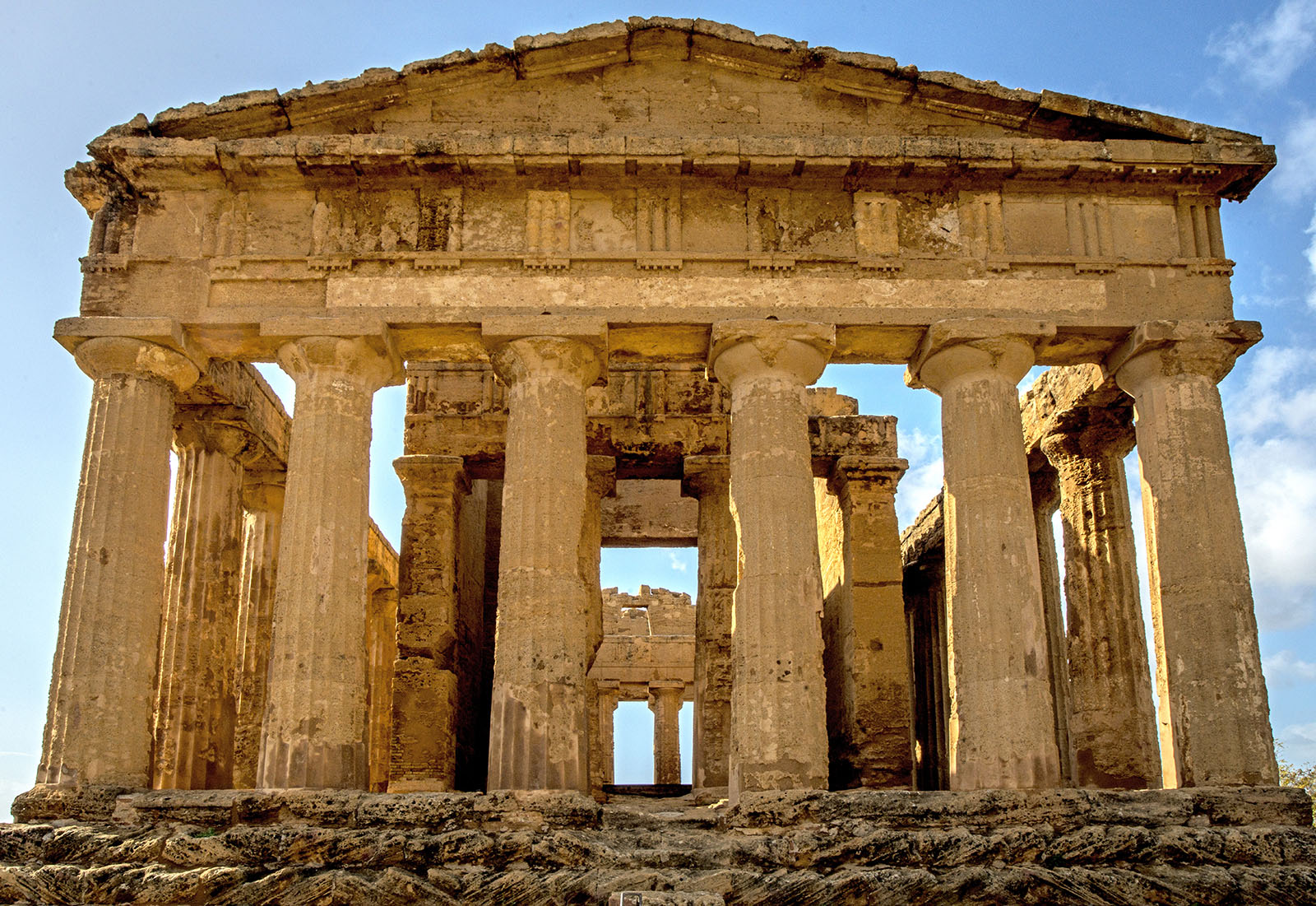
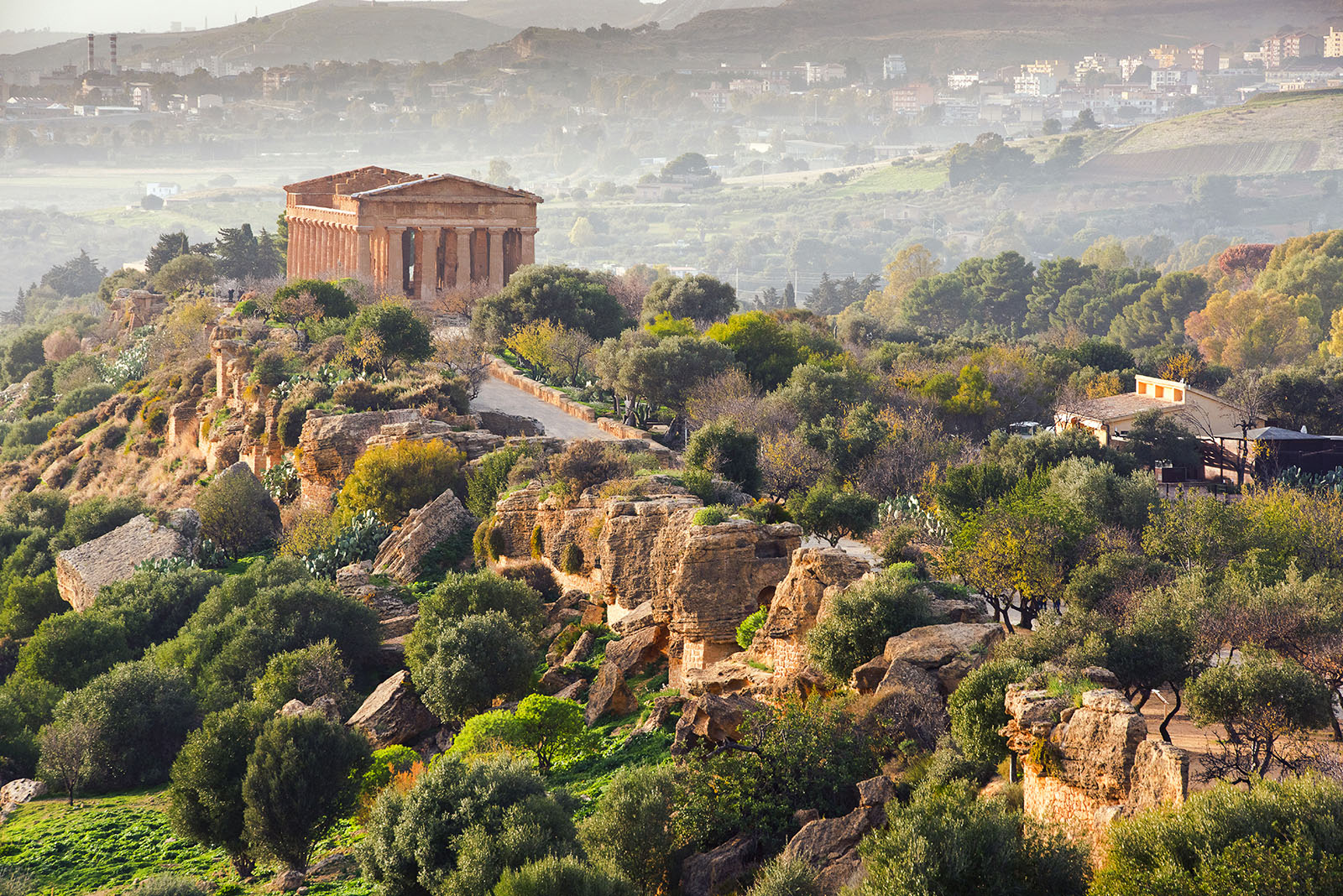
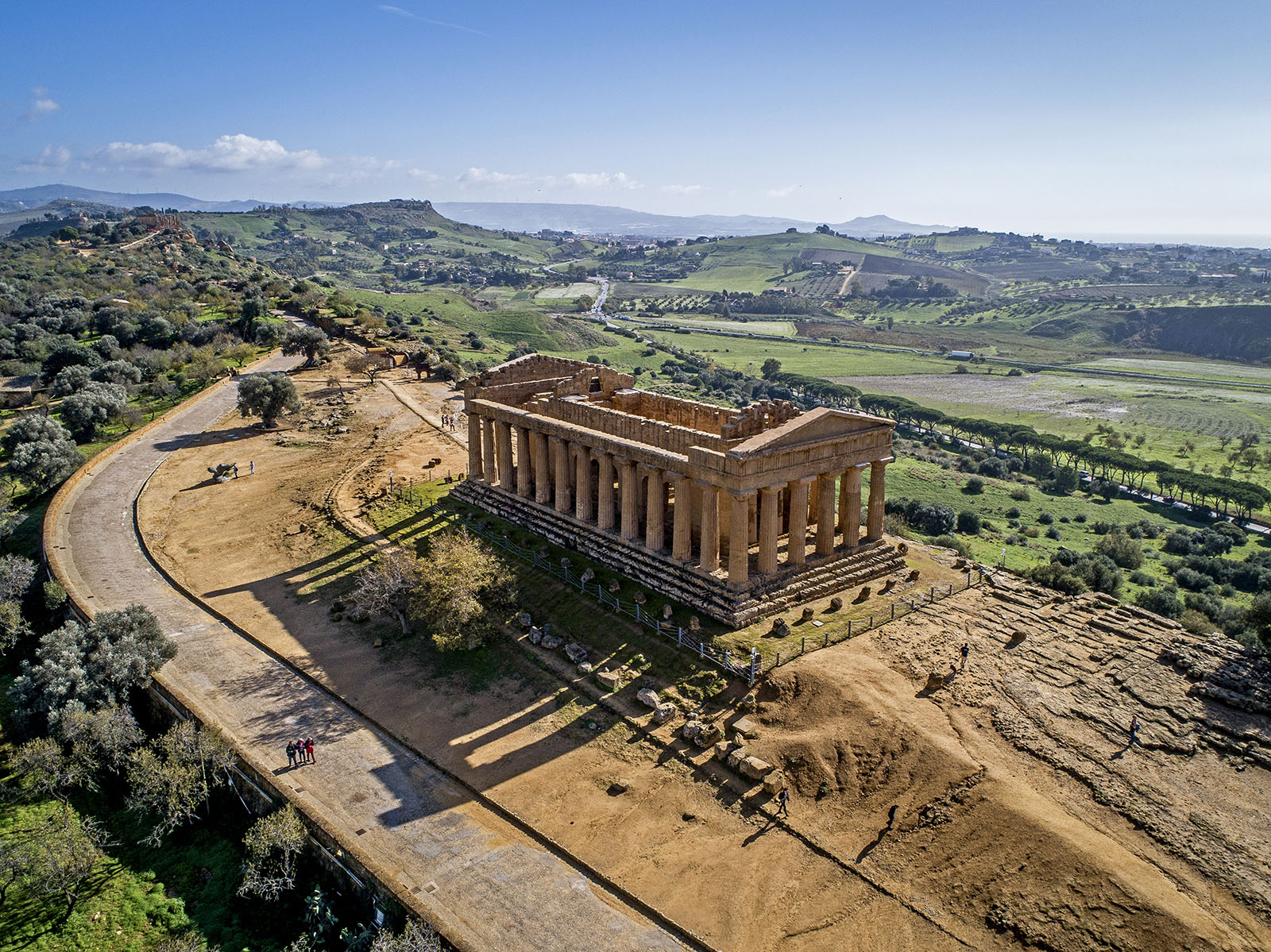
The Temple of Concordia
Vegetation in the Gardens
The Twelve Labours of Heracles
The Temple of Asclepius
The Romans settle in Agrigentum
The Eleusinian mysteries
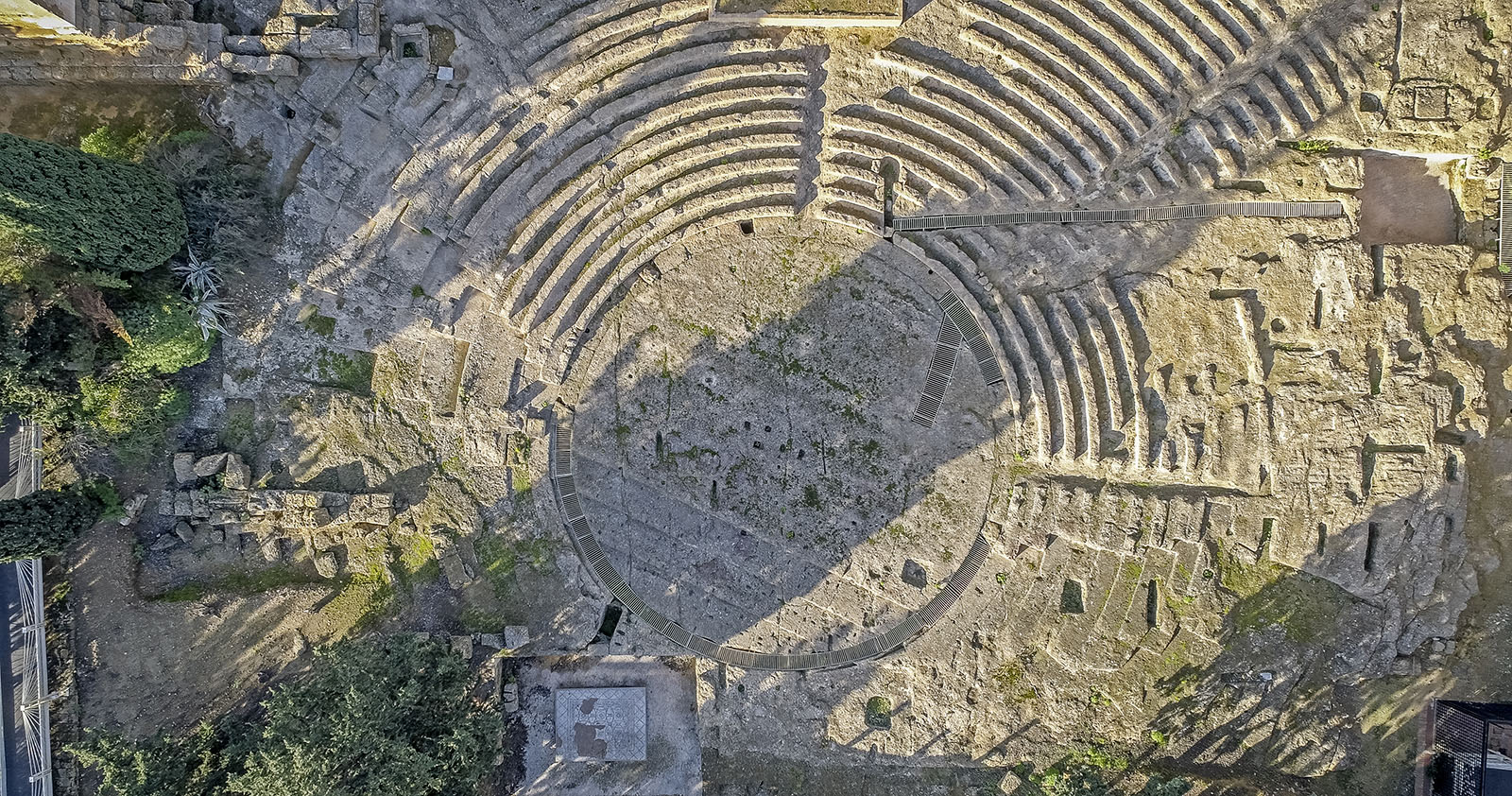
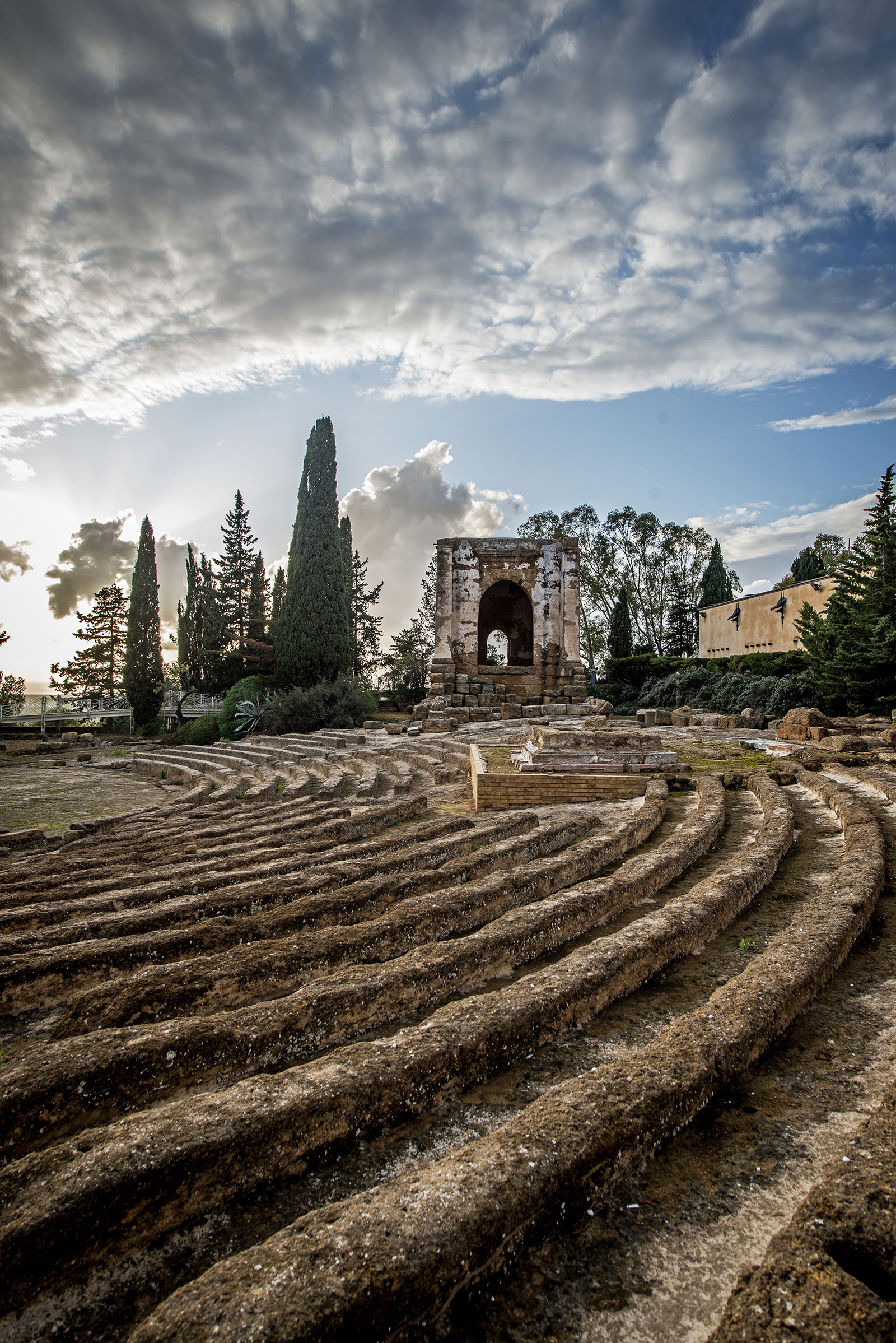
Moments of leisure: the theatre
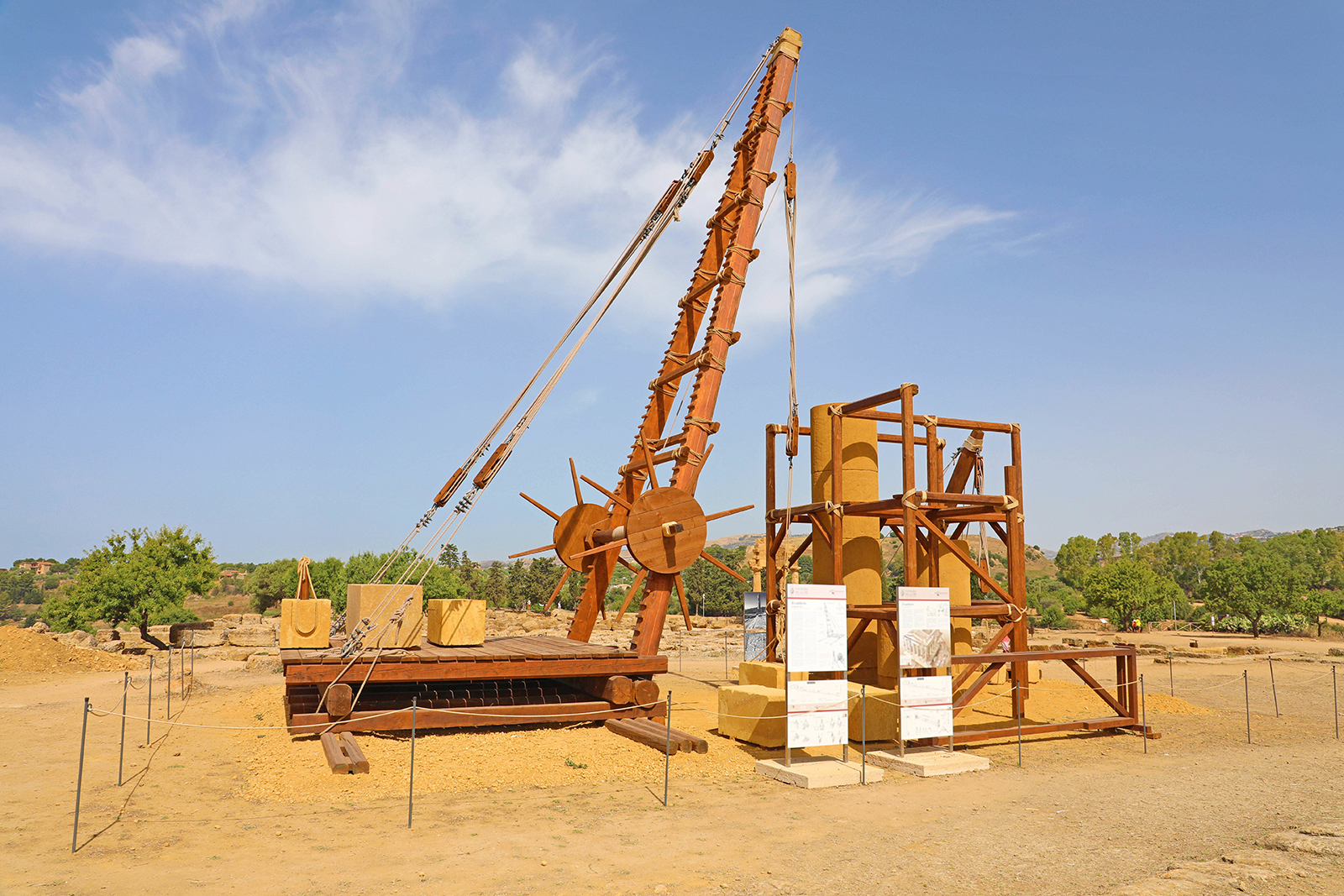
The Akragas building sites
The forum in the city of the Akragantines
Reinforcement of natural ramparts
Akragas in the beginning
The most beautiful city of mortals
Phalaris, the terrible tyrant
Hellenistic heritage on the streets of Agrigentum
Sacrifices for the goddesses that made the fields fertile
The cult of the Emperor
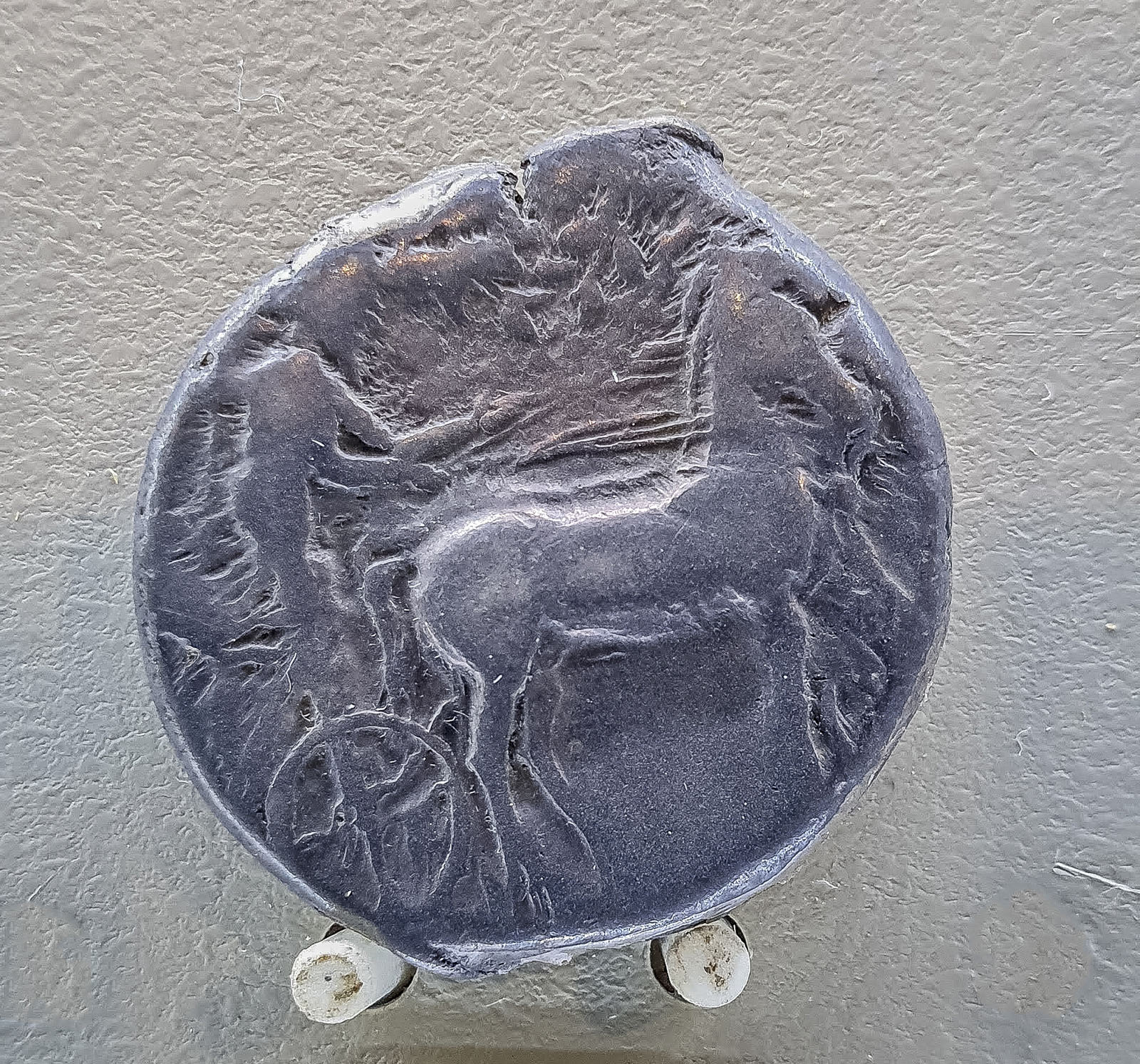
The Punic Wars and the final conquest of Akragas
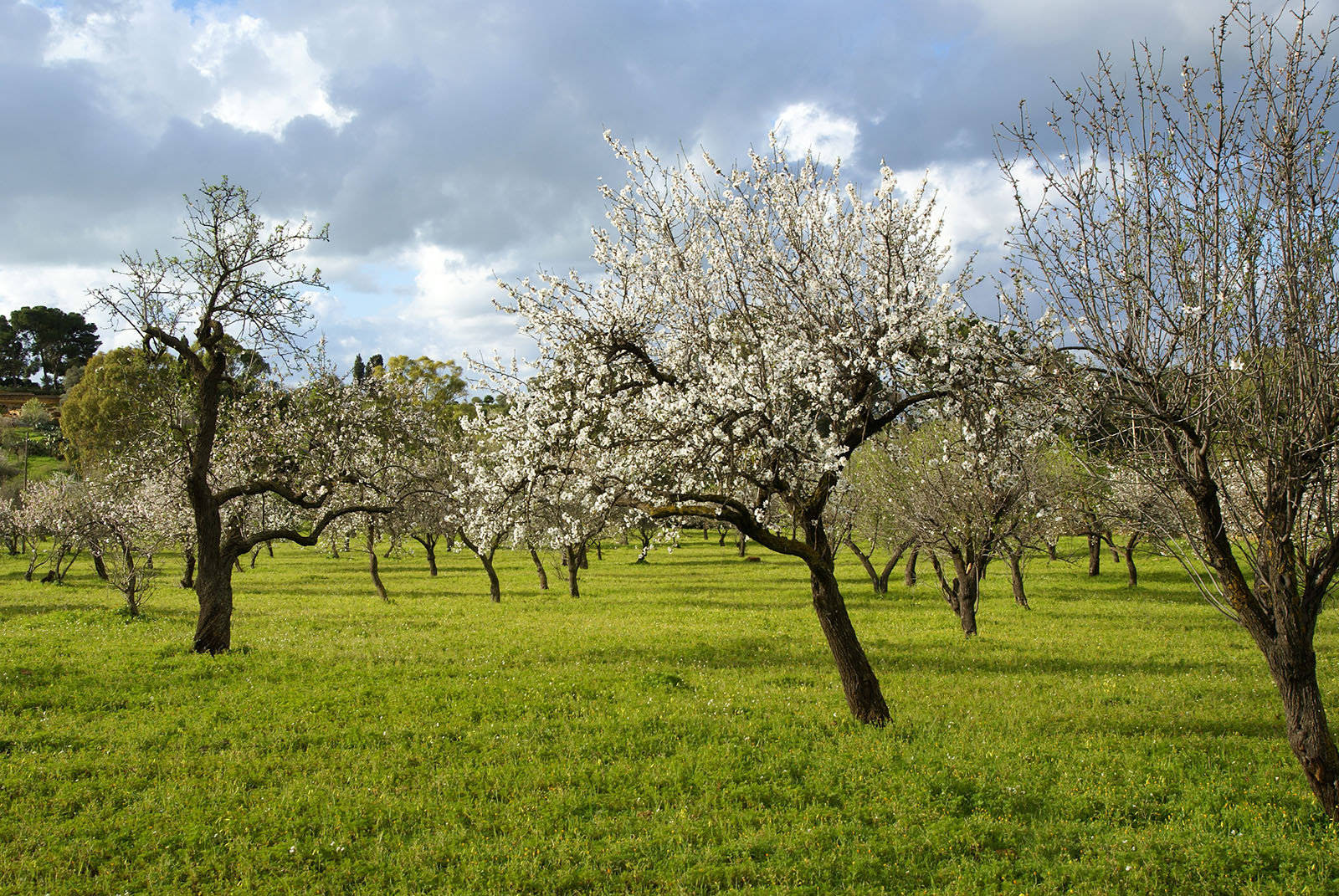
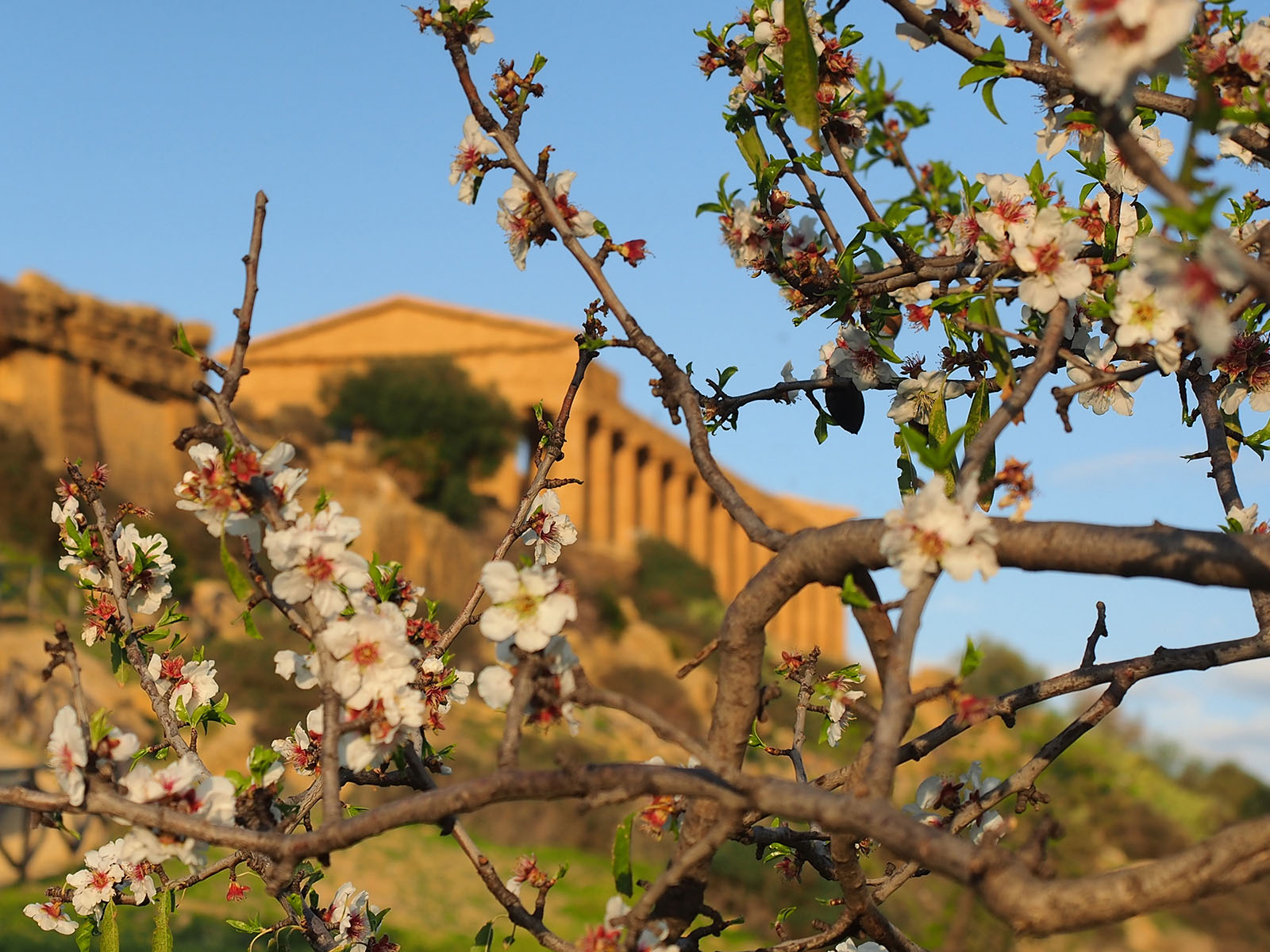
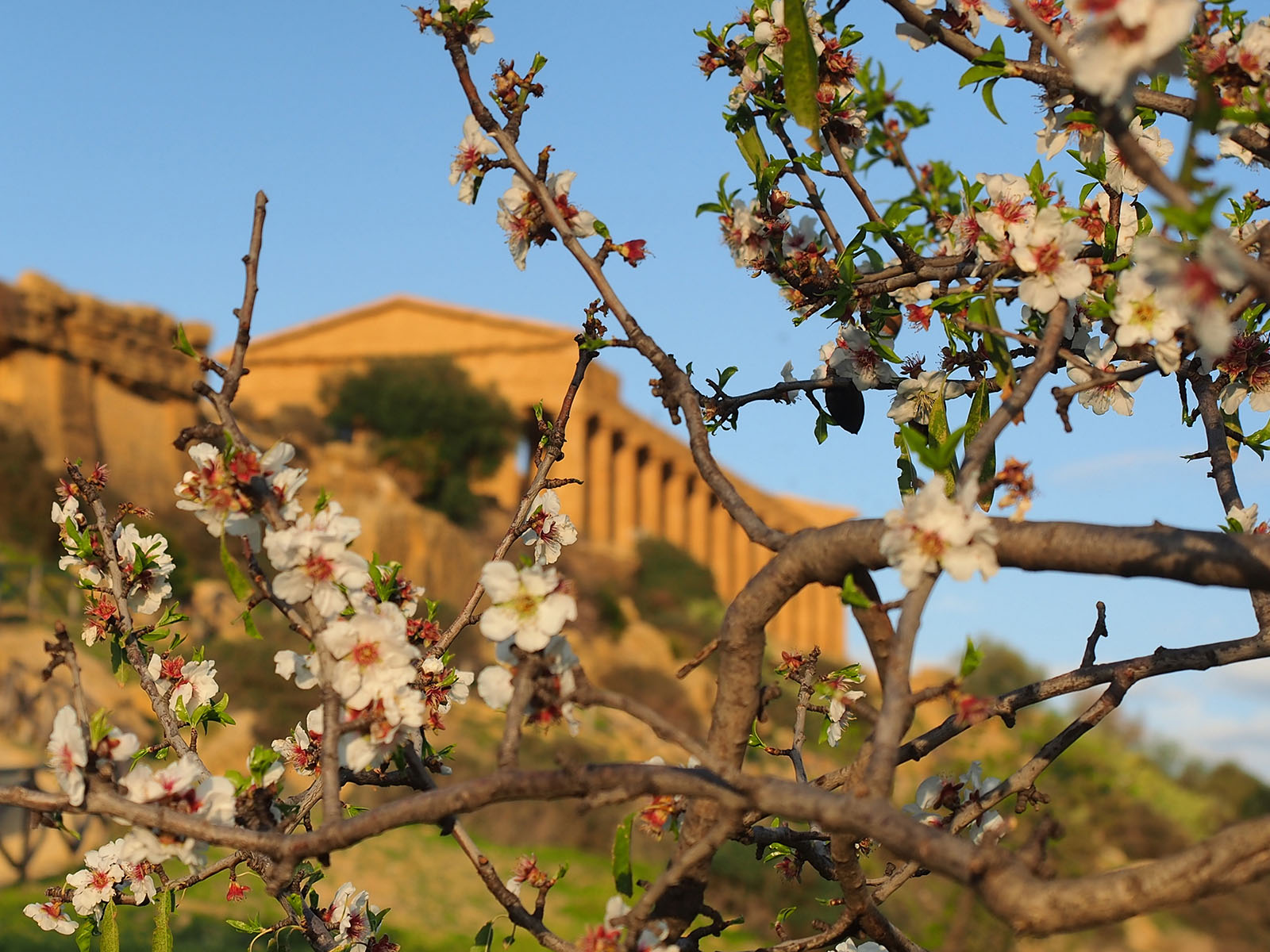
The Living Almond Museum
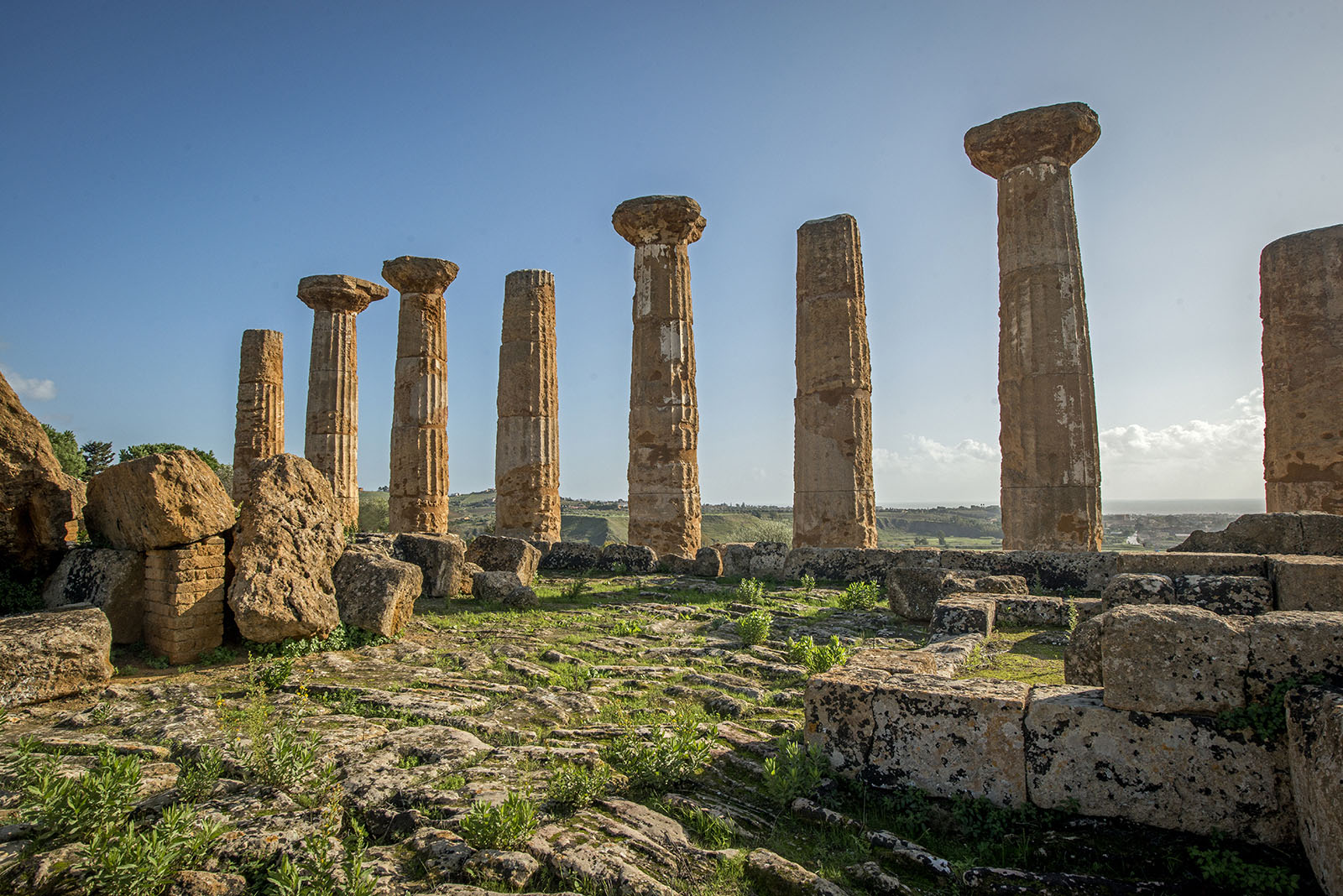
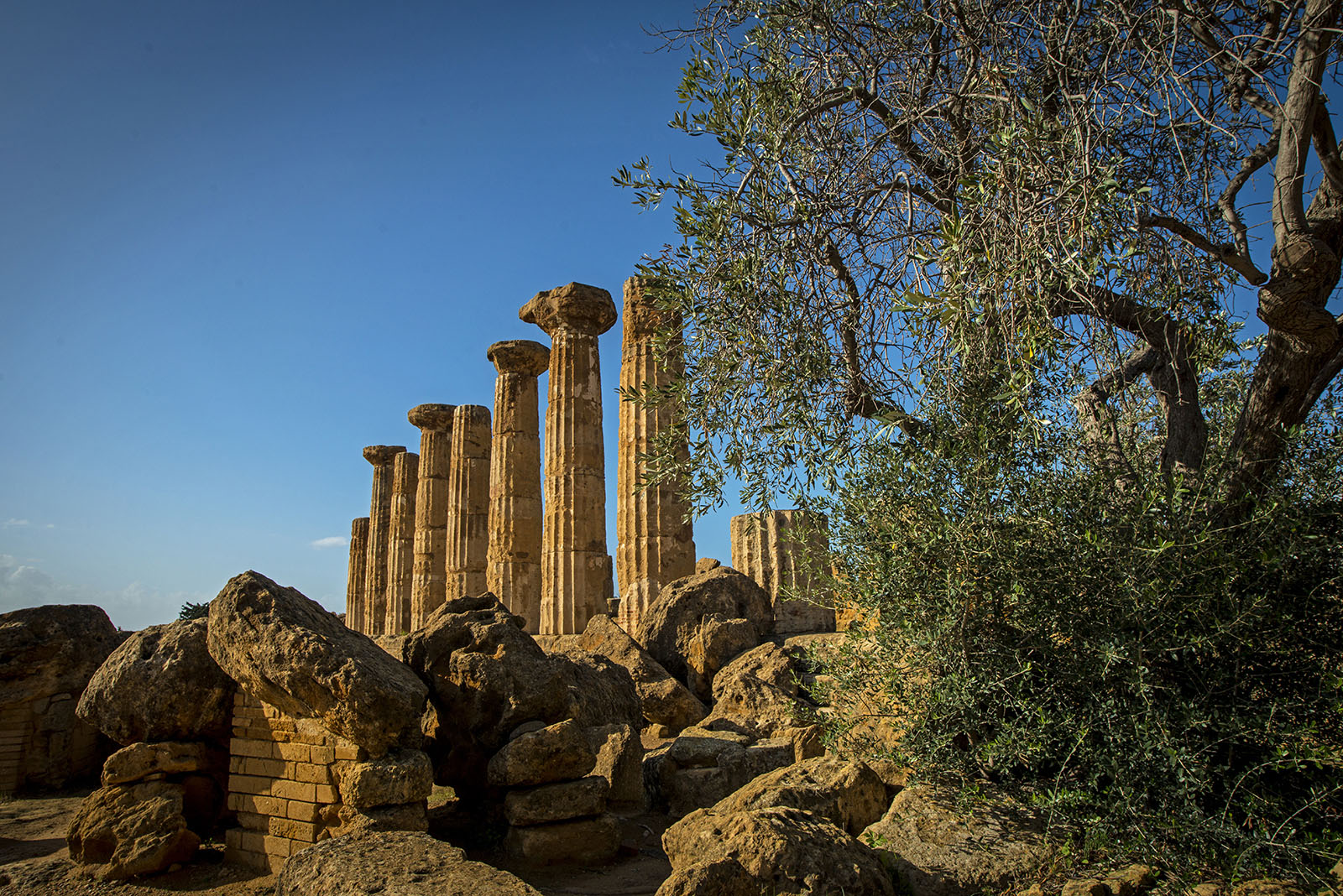
The Temple of Heracles
The cult of Demeter and Persephone
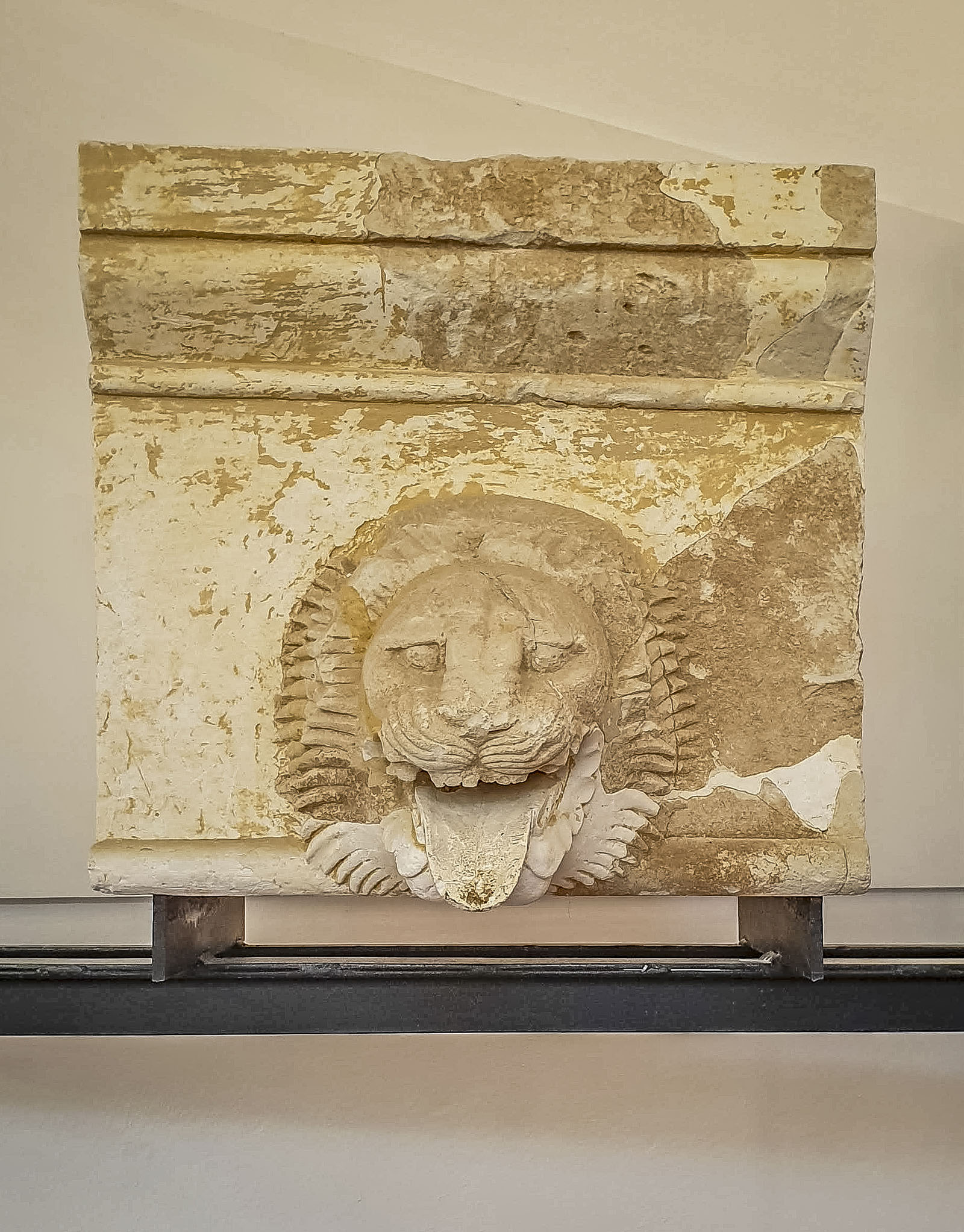
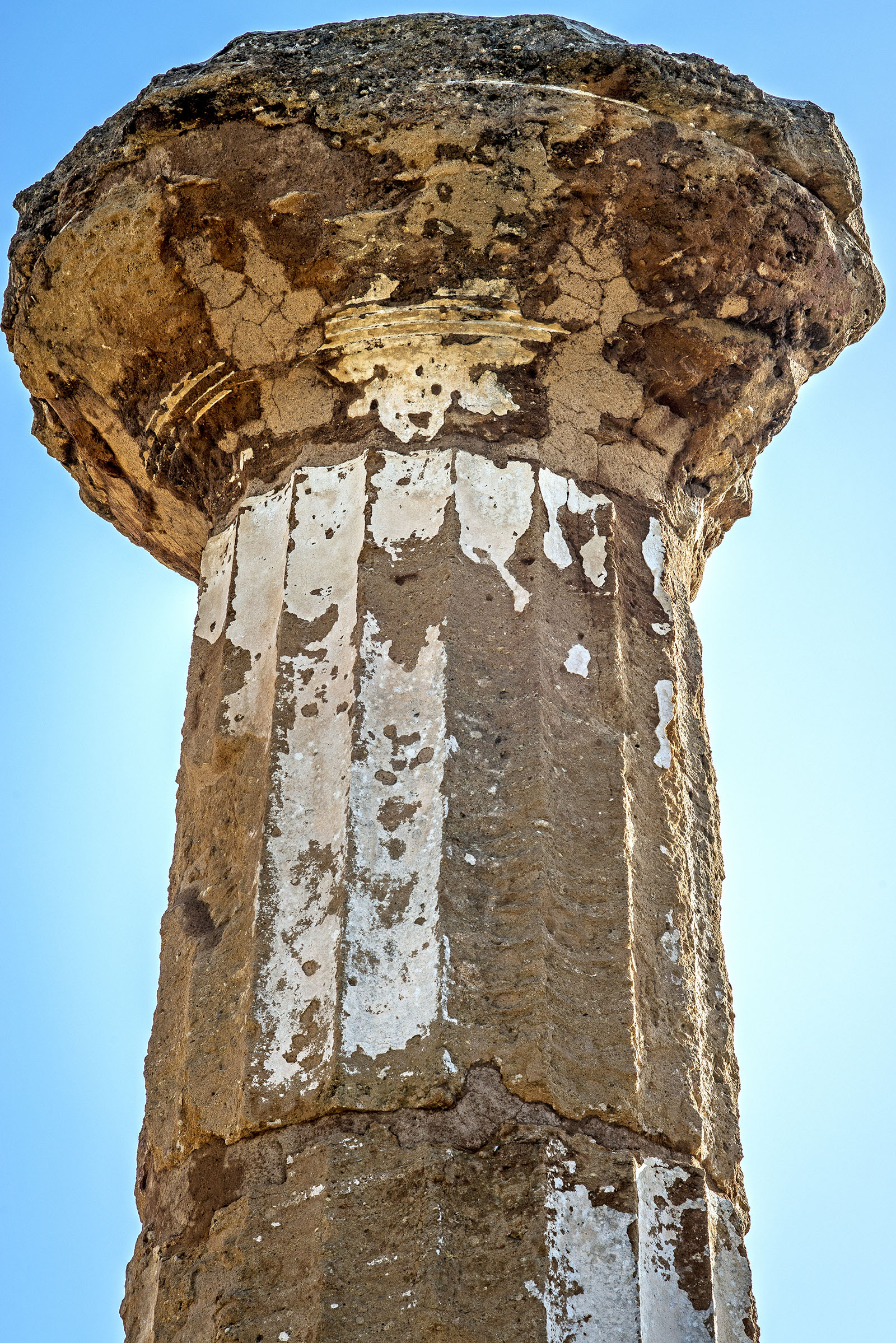
The lively decorations of the temple
The centre of politics in Agrigentum
The Sanctuary of Asclepius: a place of welcome for the sick
The domus, guardians of private life
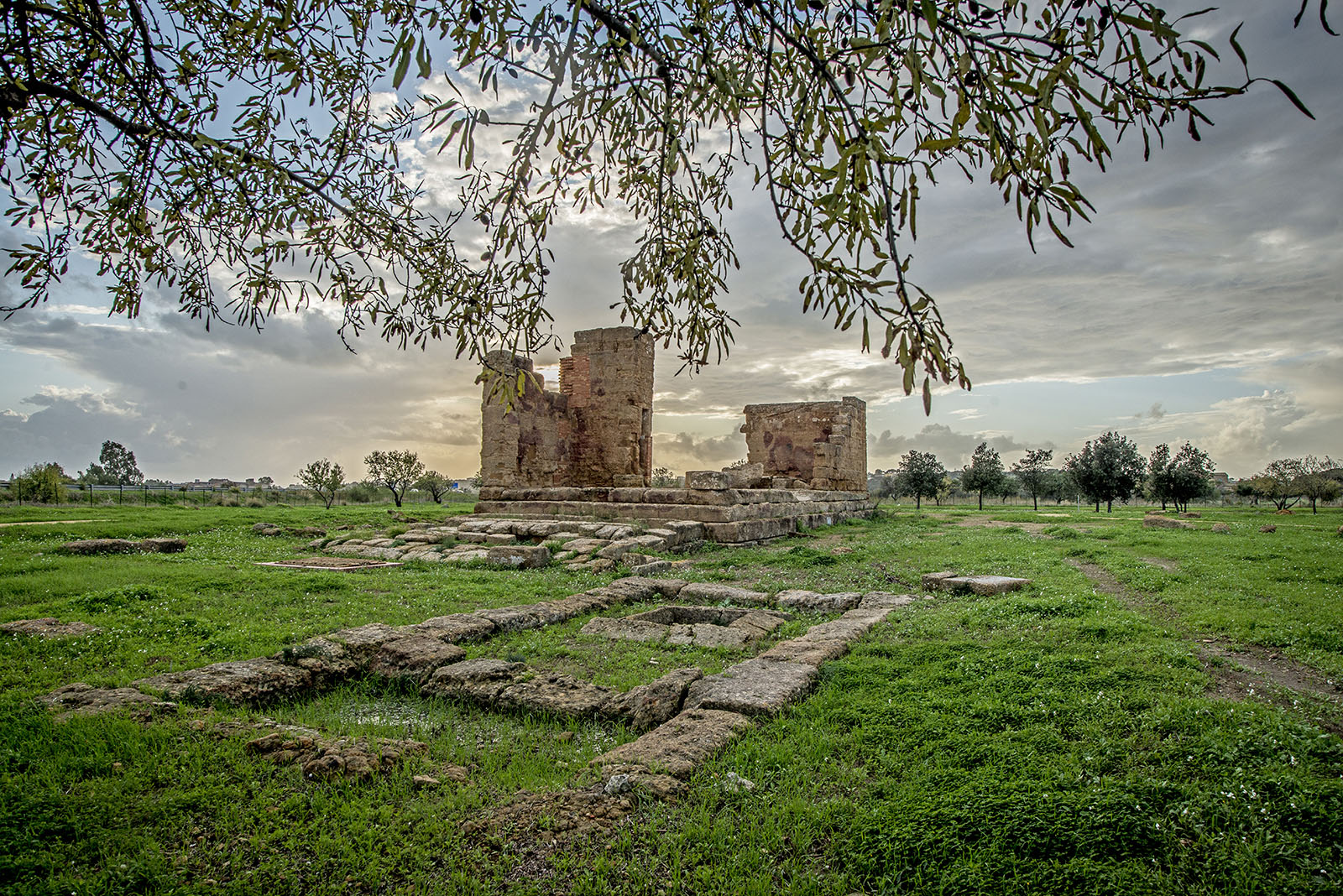
The Temple of Demeter
The sanctuary of the chthonic deities
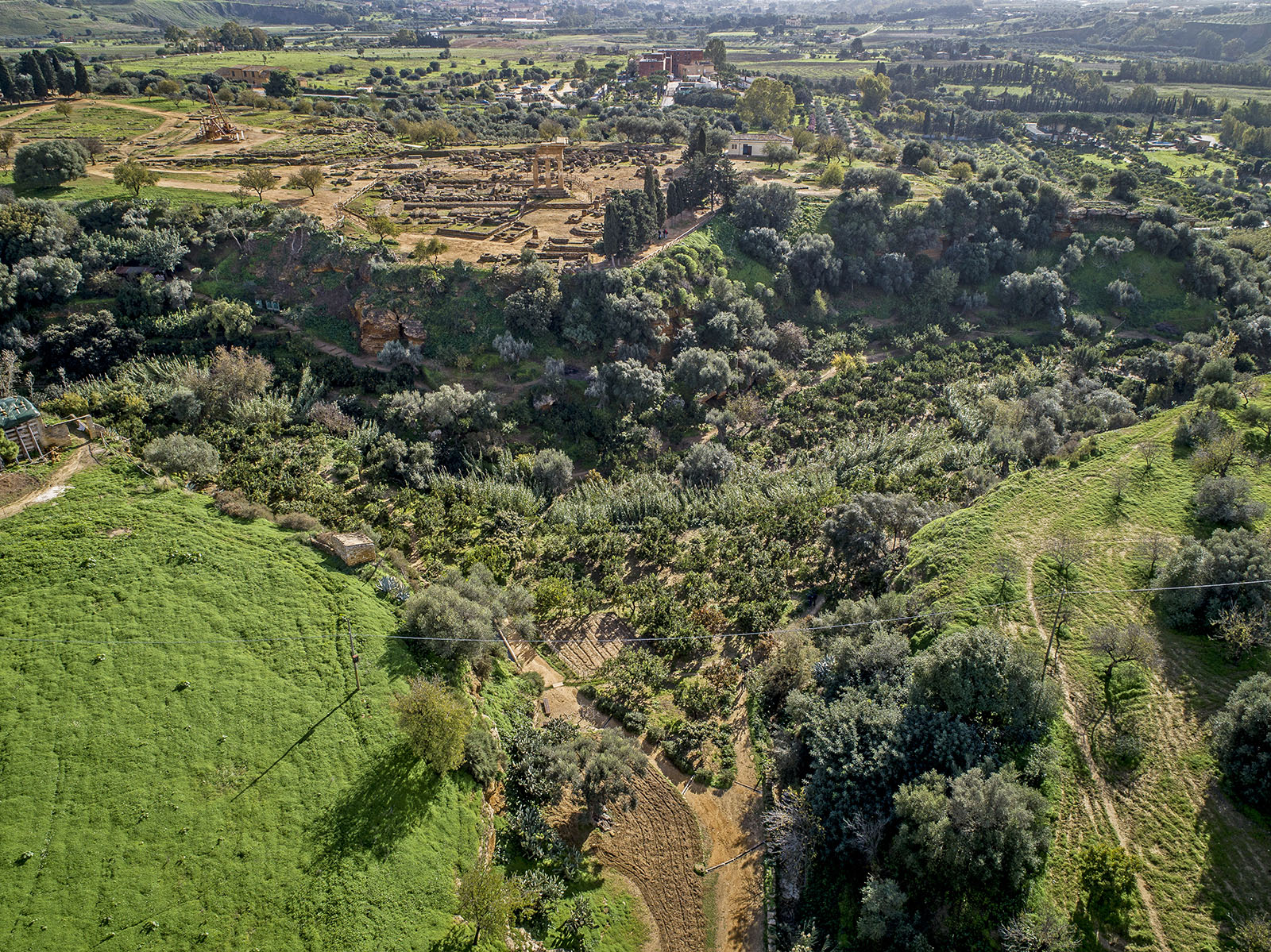
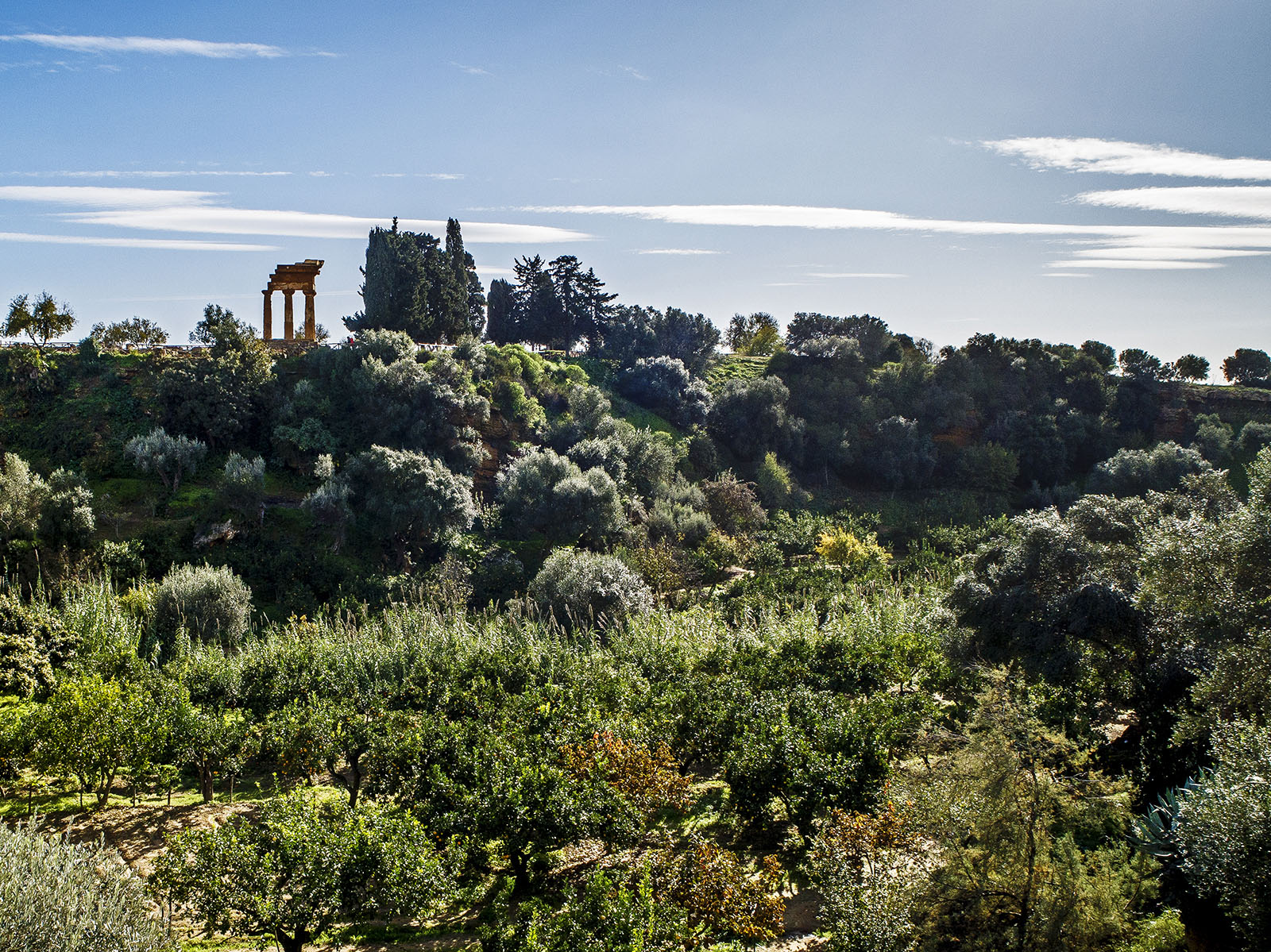
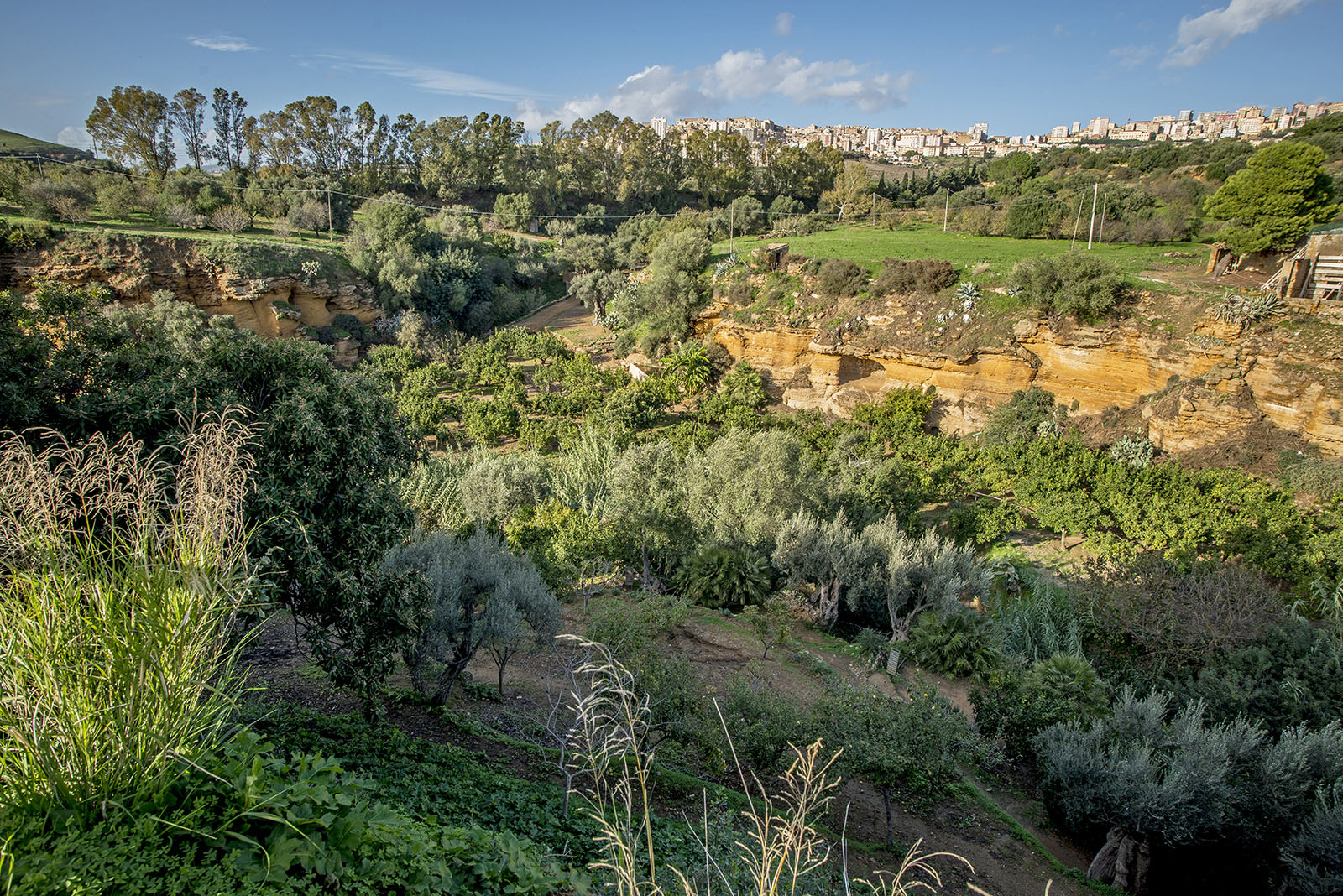
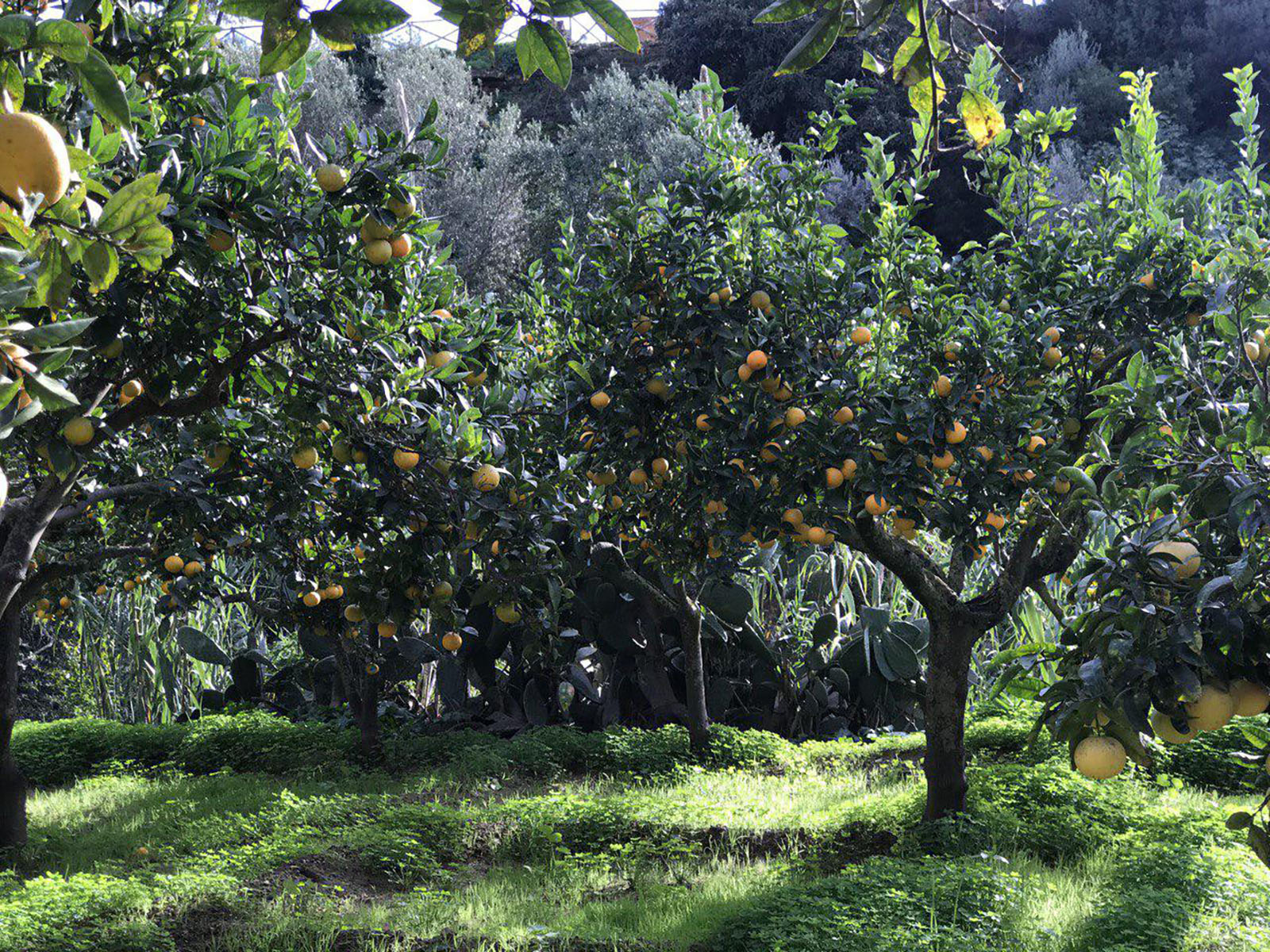
The Kolymbetra Garden
Politics comparison: Akragas and Agrigentum
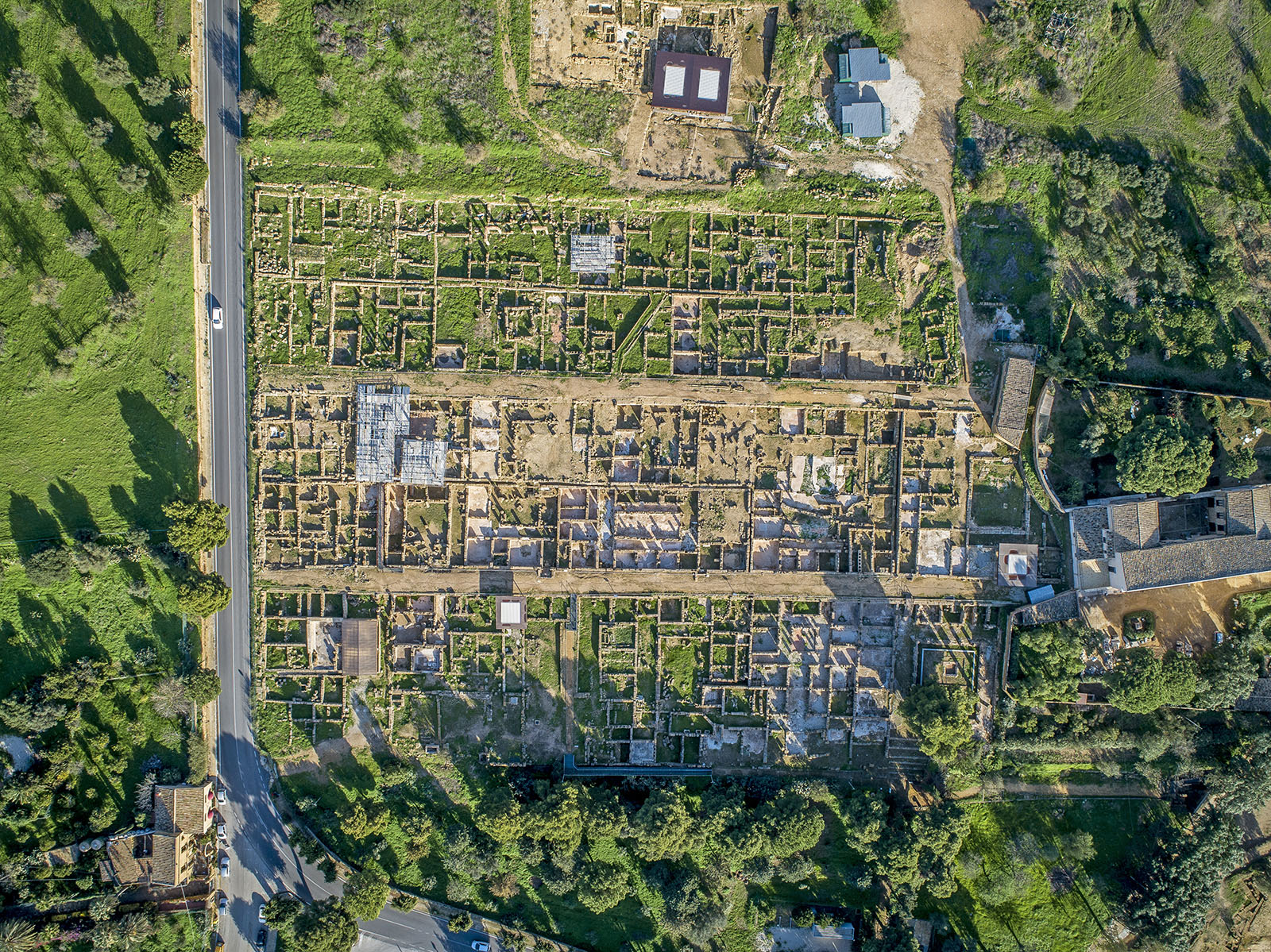
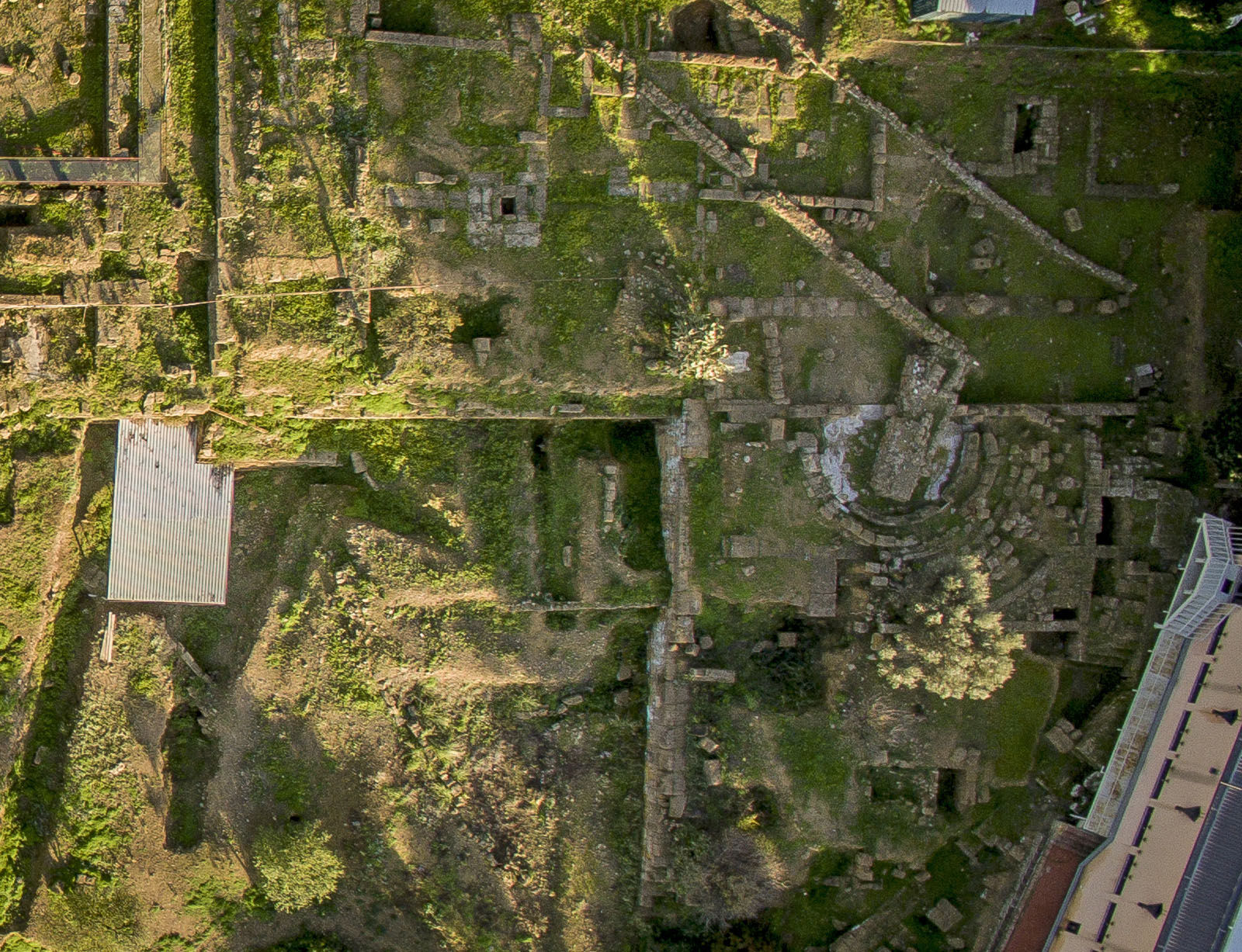
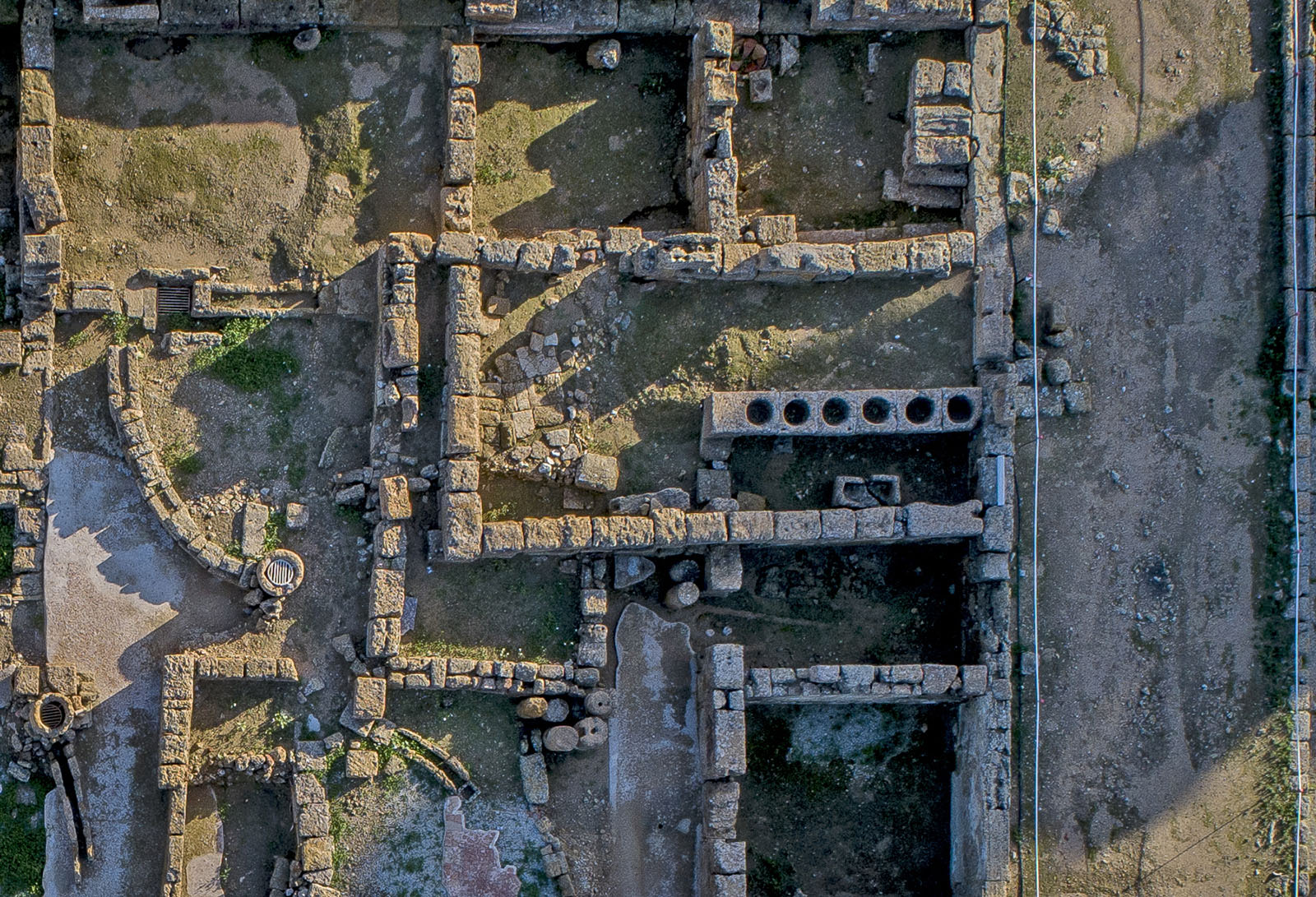
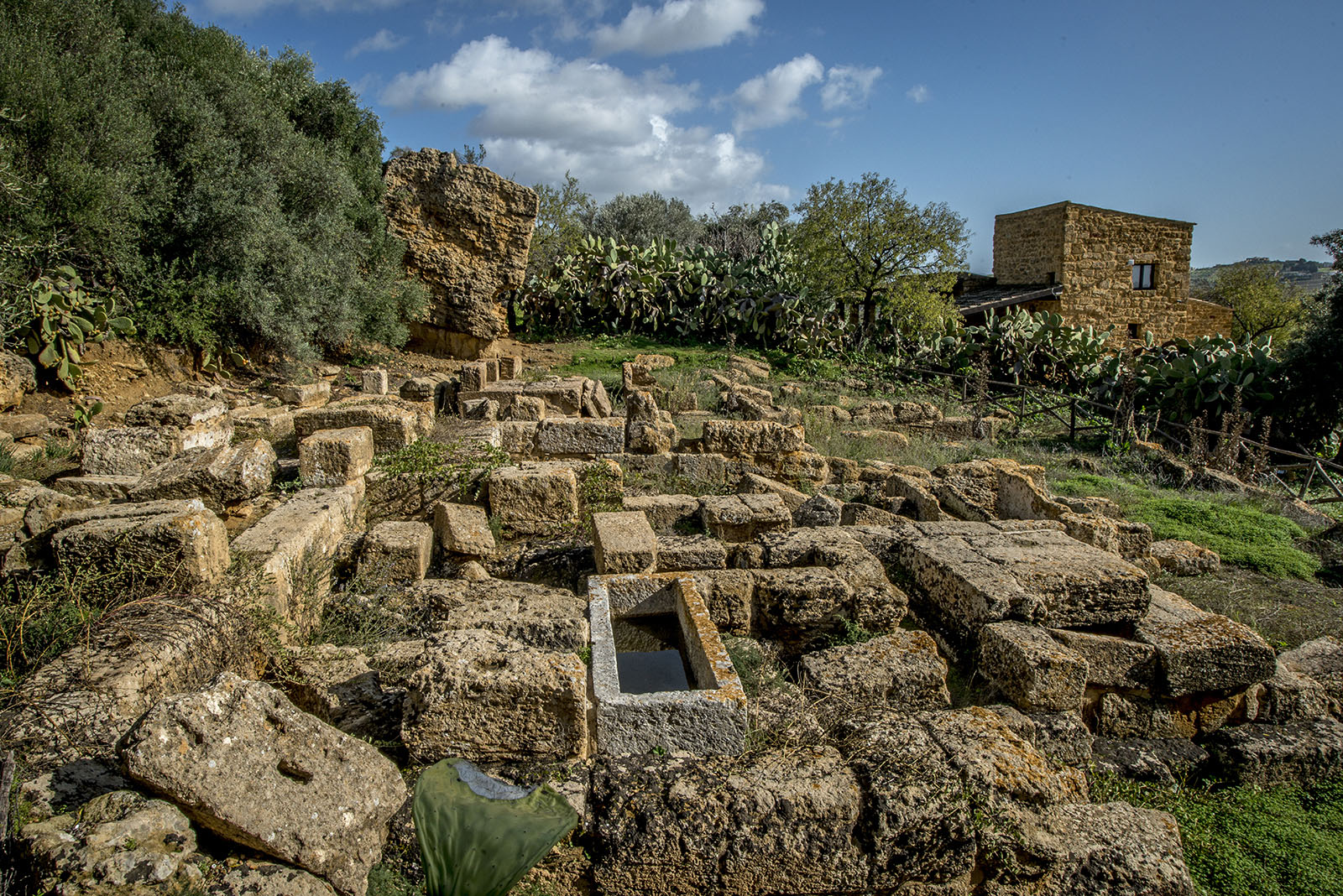
The Hellenistic-Roman quarter
A Sanctuary for the Latin gods
Theron, tyrant of the arts and victories
The life of young people in Roman times
The wellness centres of the Romans
The provincial layout of Sicily
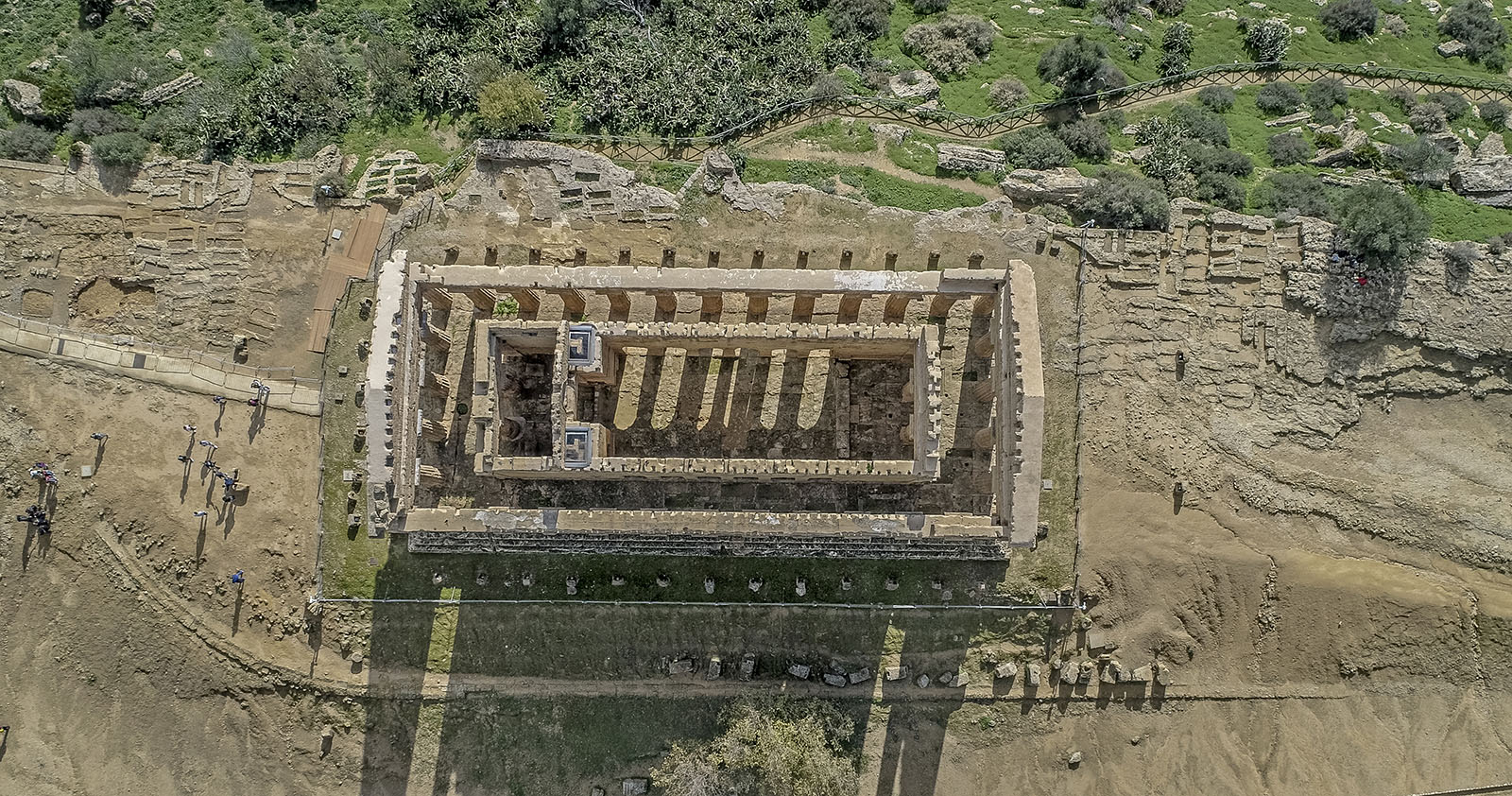
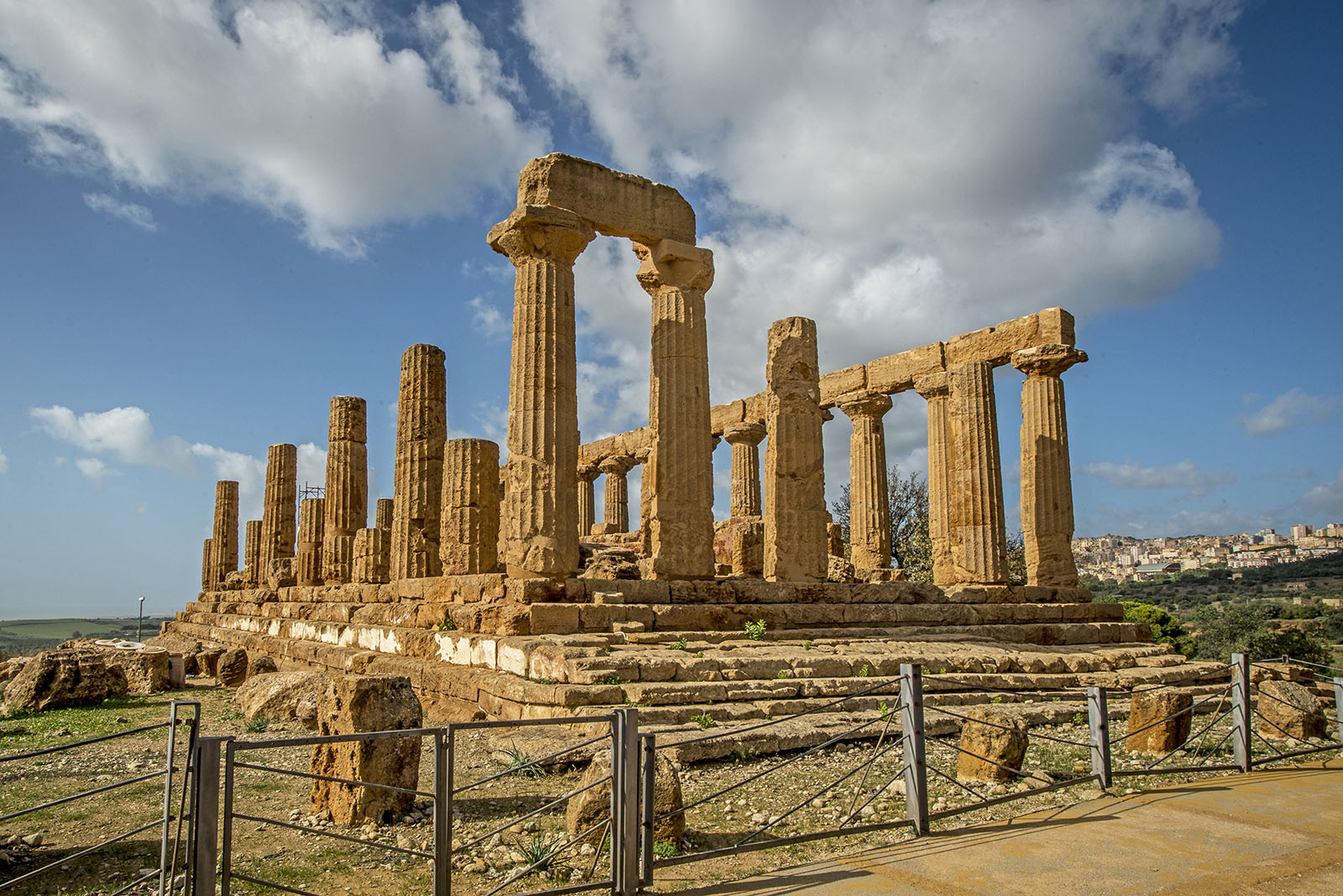
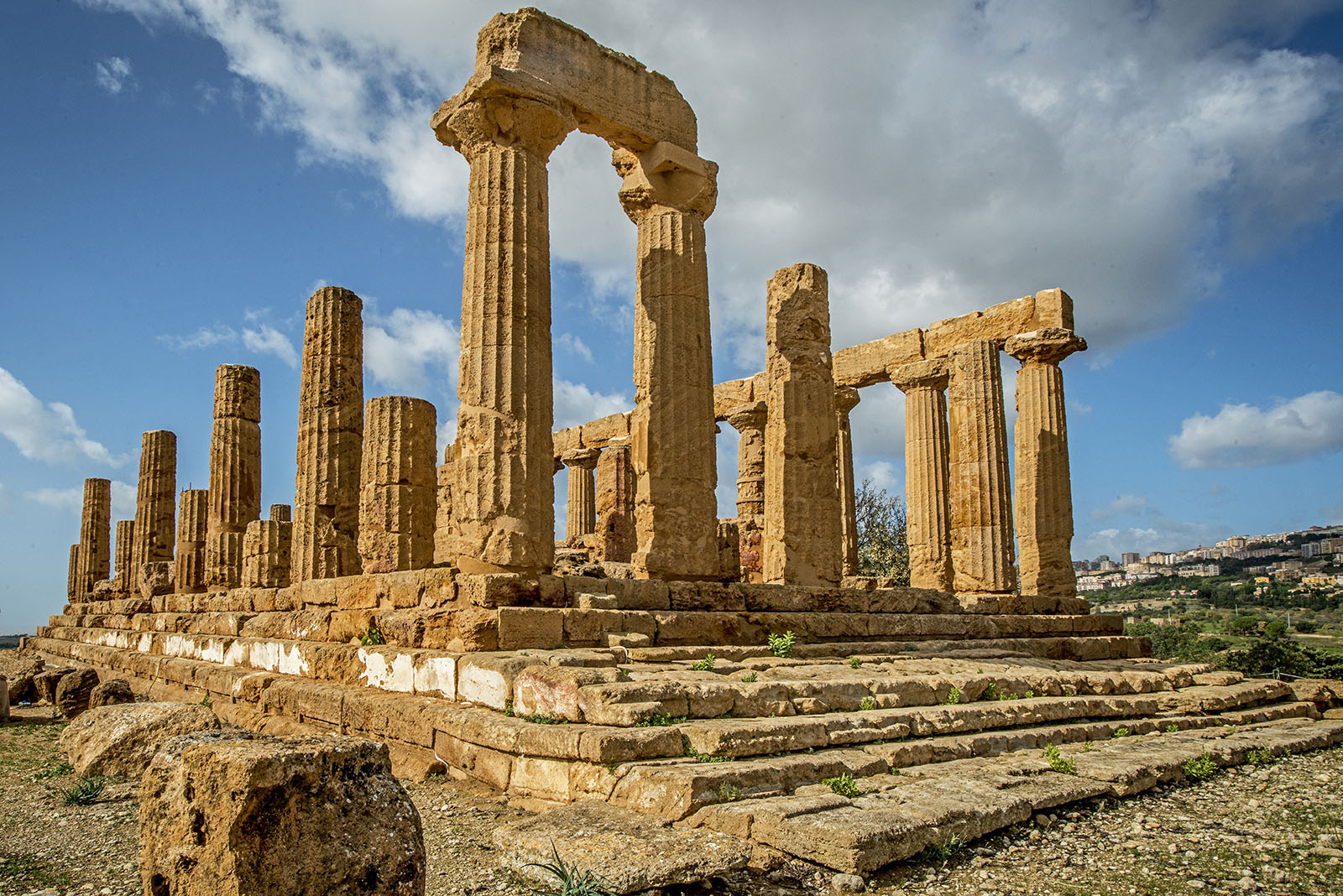
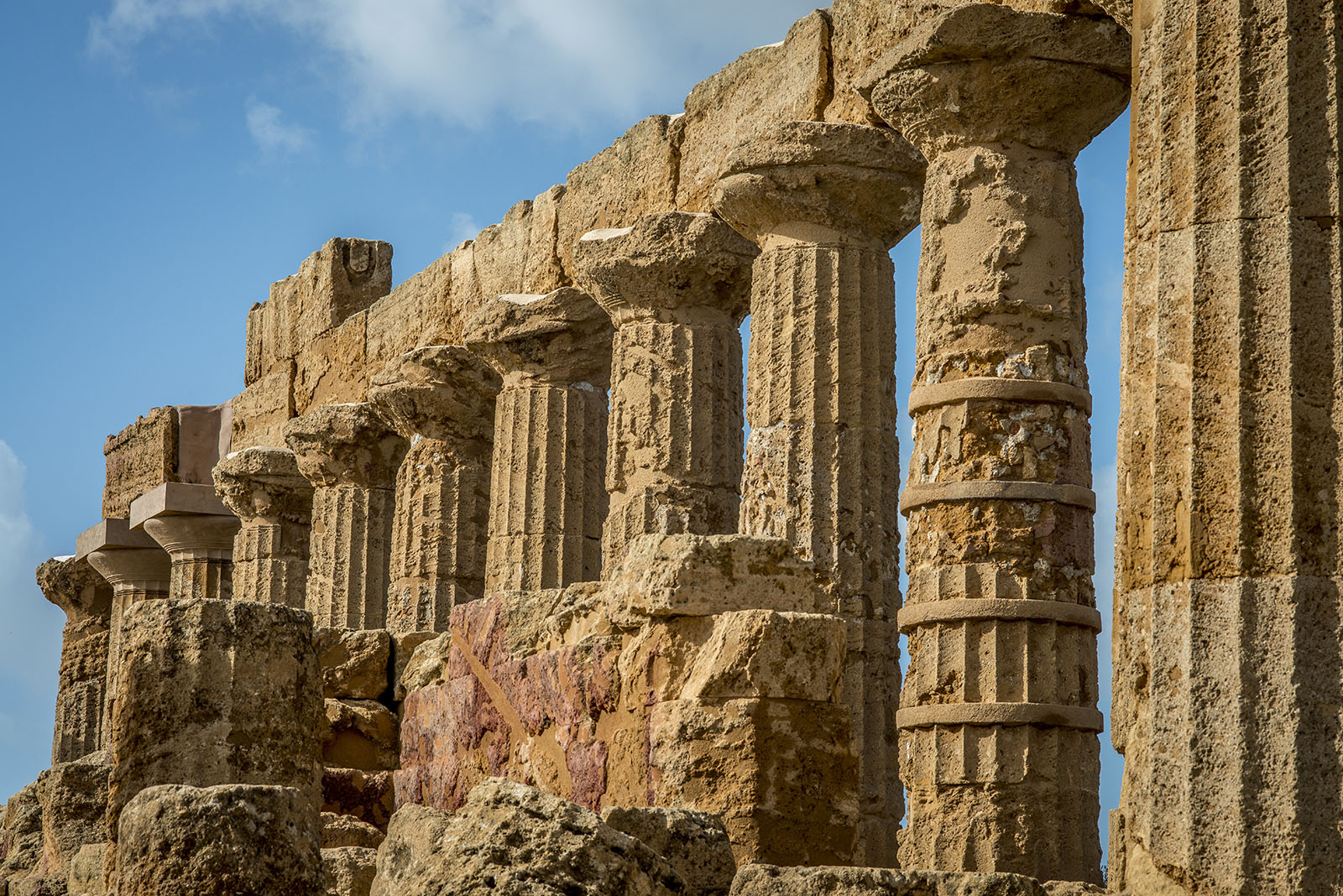
The Temple of Hera Lacinia
The ancient port of Agrigentum
Breathing in world heritage together
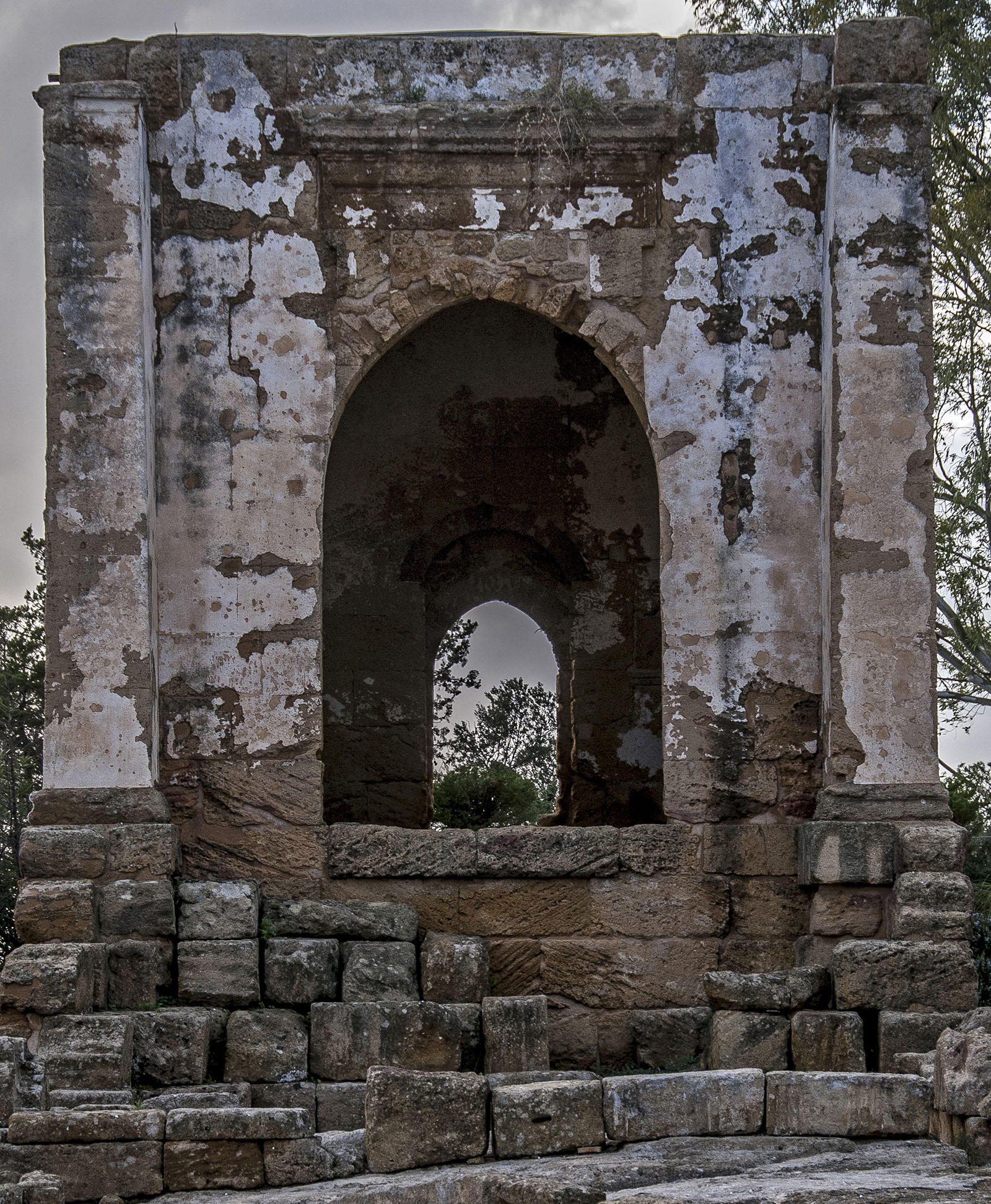
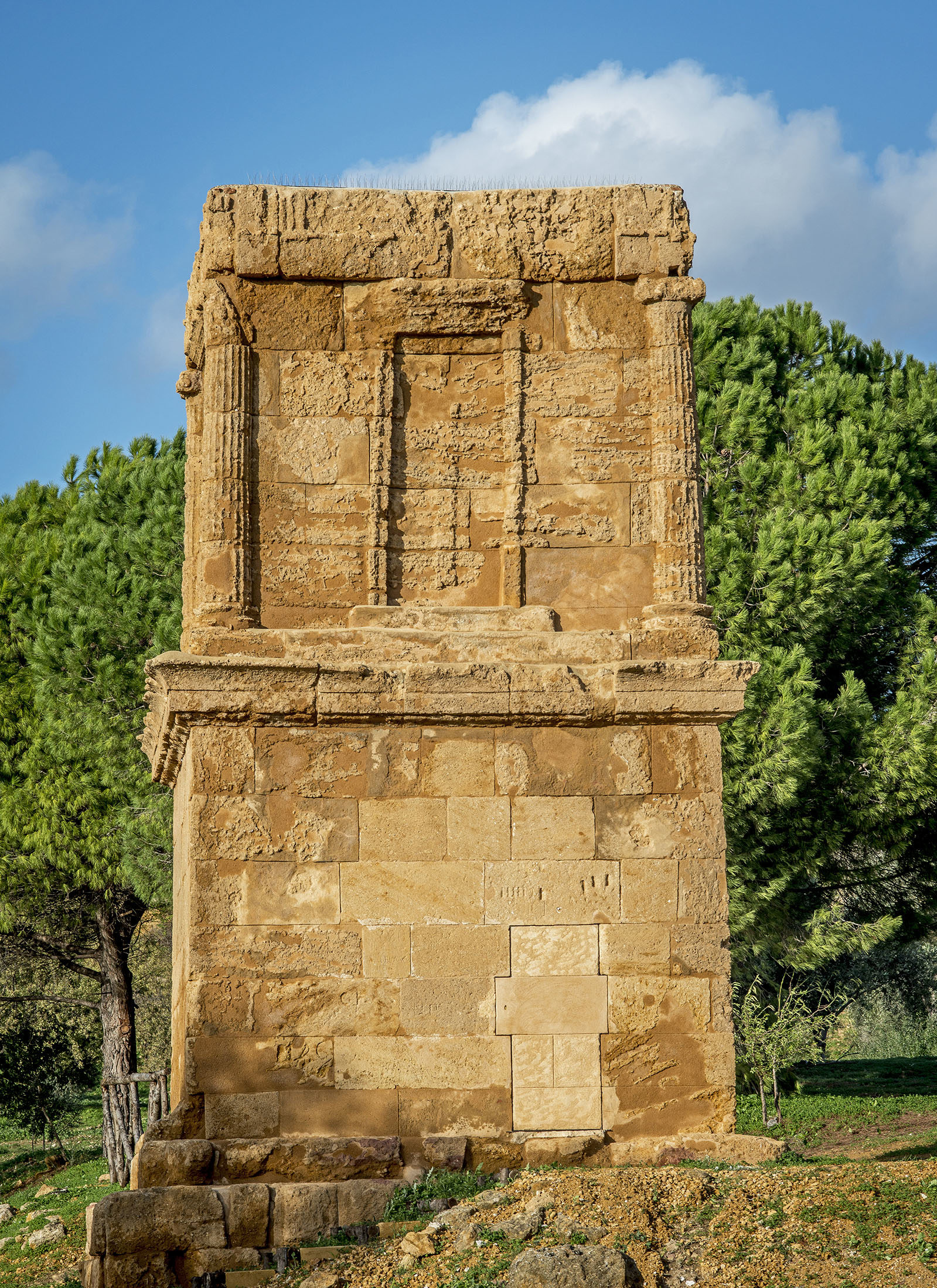
The tomb of Theron
Roman affairs
The Kolymbetra Garden
From Akragas to Agrigentum
MiC – Ministero della Cultura
Legge 77/2006 - Misure Speciali di Tutela e Fruizione dei Siti Italiani di Interesse Culturale, Paesaggistico e Ambientale, inseriti nella “Lista Del Patrimonio Mondiale”, posti sotto la Tutela dell’ UNESCO Regione Siciliana.
Assessorato dei Beni Culturali e dell’Identità Siciliana, Dipartimento dei Beni Culturali e dell’Identità Siciliana.
Parco archeologico della Valle dei Templi di Agrigento.