
The public places of Agrigentum

The senses tell the forum

sight
The vivacity of the buildings

The Oratory of Phalaris still has traces of its original colour: the building was probably covered with white stucco painted on the side walls and according to Hellenic tradition, metopes and triglyphs that ran on the frieze would have been blue and red.
A triumph of bright colours, lit by the warm Agrigento sun.
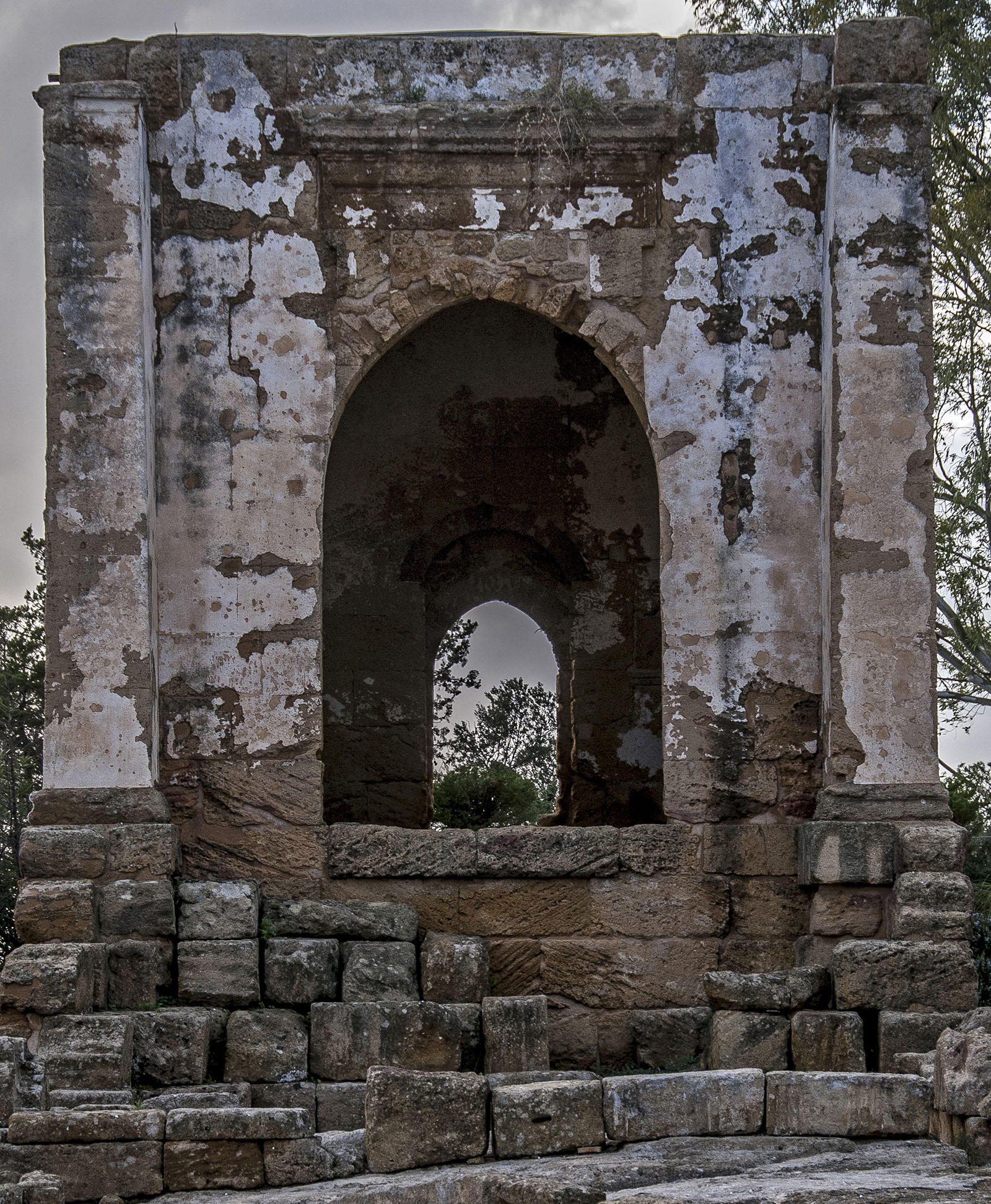
L'Oratorio di Falaride

hearing
Getting lost in the songs

In the Roman Empire, the custom of transforming the buildings of the Bouleuterion into Odeon spread in many cities of Magna Graecia.
Let’s close our eyes and enter the Odeon in Agrigento, where a competition of music and poetry is taking place.
The intimate room and the roof allow us to hear the verses of the poems distinctly, while our thoughts begin to wander accompanied by notes of the melodies…

The driver of Agrigentum’s well-being

From Akragas to Agrigentum

A Sanctuary for the Latin gods

Cicero’s account: Agrigentum in In Verrem

The ancient port of Agrigentum

An exceptional discovery: the thermal baths of Agrigentum

The Kolymbetra Garden

The Romans settle in Agrigentum

The life of young people in Roman times

The tomb of Theron

Politics comparison: Akragas and Agrigentum

The gods of Agrigento

Vegetation in the Gardens

Hellenistic heritage on the streets of Agrigentum

The Living Almond Museum

The Roman necropolis

The cult of the Emperor

The centre of politics in Agrigentum

The Oratory of Phalaris

The theatre of origins

The Punic Wars and the final conquest of Akragas

Moments of leisure: the theatre

The provincial layout of Sicily

Mens sana in corpore sano: the gymnasium of Agrigento

The forum in the city of the Akragantines

Breathing in world heritage together

The domus, guardians of private life

The sarcophagus of the Child

Roman affairs

Works for the muses: the mosaics of the Hellenistic-Roman quarter

The wellness centres of the Romans

The Hellenistic-Roman quarter